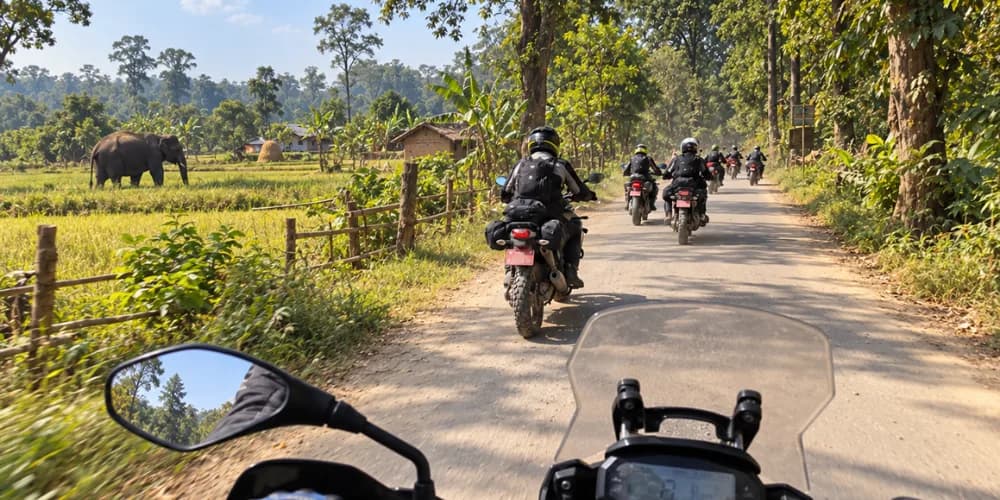
Nar Phu Valley Trek is best for travelers who want an active Himalayan route and are comfortable with the walking pace, terrain, and day-to-day movement this trip requires.
Nar Phu Valley Trek
Nar Phu Valley Trek takes you up narrow gorges to medieval villages, past impressive chortens, herds of blue sheep, and spectacular Cliffside trails
From
US$
1,570
Duration
18 Days
Per person · 2–10 travelers
Choose a departure date year-round
Private trip from US$ 1,570
- Traveling with a group? Ask about group rates
- We’ll help tailor the trek to your budget
Duration
18 Days
Max elevation
5,322m/17,460ft (Kang La Pass)
Best season
March to December
From group price
US$ 1,570
Is this trek right for you?
Physically demanding treks with significant elevation and endurance.
Getting around
Private Car & Bus
 PDF
PDFYour trip planning kit
Nar Phu Valley Trek
Trip overview
- Service level
- Amigo Plus
- Comfort profile
- High-Altitude Trek
- Accommodation standard
- Hotel & Lodge
Route highlights
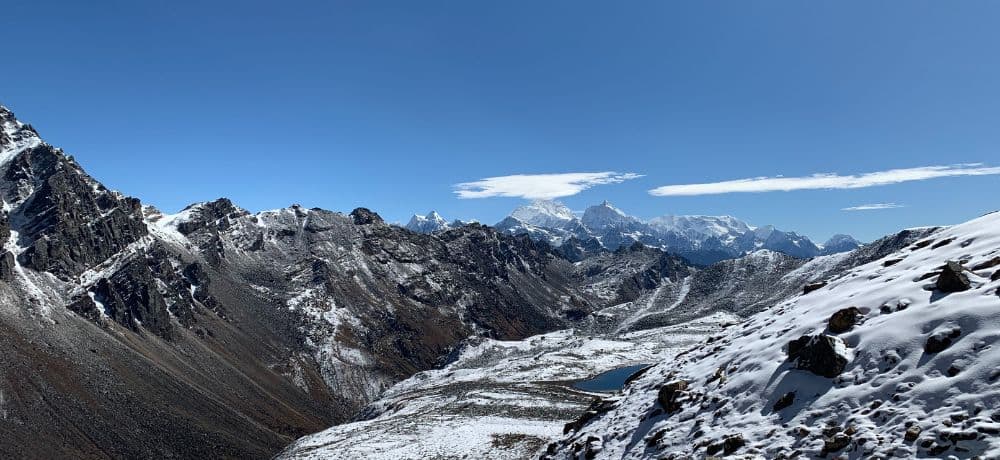
The Nar Phu Valley trek is a newly opened (since 2003), yet a very special trekking destination in the Annapurna region of Nepal. Nar Phu Valley hike presents an opportunity to venture into the two hidden remote valleys: Nar and Phu of the upper Manang districts. Therefore, this trek is also famous as the hidden valley trek. The Kang La Pass (5,306m) is the highest altitude achieved during this trek. Unbelievable views of the Annapurna massif, Manaslu, Pisang, Kangru, Chulus, Langtang and various other peaks, glaciers, narrow canyon, peaceful forests, interesting rock formations backed up by the remote villages and the unique Himalayan culture in the very north of Manang district are the major attractions of this trek. A very few trekkers have attempted this part of the Annapurna region and those who have, are glad that they did. The Phu Valley holds great importance for Buddhist pilgrims as they come to visit Thashi Gompa to receive blessings from Lama Rinpoche. Additionally, trekkers can also enjoy the lifestyle of Gurung, Tamang and the Lama people en route.
Starting with a 7 hour drive from Kathmandu to Besisahar, the trail ascends the Marsyangdi River Valley on the Annapurna Circuit trail up till Koto, which branches off from Koto to follow the off-the-beaten track to the Nar and Phu Valley. The trail then climbs the Kong La pass located west of the Nar Valley, which again joins the Annapurna circuit at Ngawal, continues till Chame to retrace the same path all the way down till Besisahar. An optional trail continues up till Jomsom either via Thorung La or Tilicho Lake and Mesokanto La and fly to Pokhara. The choice is all yours!
The standard 18 days Nar Phu Valley treks package by Amigo Treks and Expedition, also allows trekkers to enjoy a guided sightseeing tour of the major attractions of the Kathmandu city. As a whole the package includes full board (accommodation and meal) during the trek, bed and breakfast before after the trek and a free map. The package is the combination of the Teahouse and Homestay. Basic Nepali, Tibetan and western food (subject to availability) will be served during the trek. However, the trek can be fully customized to your requirements, ensuring flat rates, special group discount and 100 % departure date. Categorized under strenuous trek, it is best fit for physically fit hikers. March-May and September-December is the right time to plan this trek.
Nevertheless, trekkers interested in hidden valleys can attempt our 19 days Tsum Valley Trek, which is equally rewarding.
The Nar Phu Valley trek is a newly opened (since 2003), yet a very special trekking destination in the Annapurna region of Nepal. Nar Phu Valley hike presents an opportunity to venture into the two hidden remote valleys: Nar and Phu of the upper Manang districts. Therefore, this trek is also famous as the hidden valley trek. The Kang La Pass (5,306m) is the highest altitude achieved during this trek. Unbelievable views of the Annapurna massif, Manaslu, Pisang, Kangru, Chulus, Langtang and various other peaks, glaciers, narrow canyon, peaceful forests, interesting rock formations backed up by the remote villages and the unique Himalayan culture in the very north of Manang district are the major attractions of this trek. A very few trekkers have attempted this part of the Annapurna region and those who have, are glad that they did. The Phu Valley holds great importance for Buddhist pilgrims as they come to visit Thashi Gompa to receive blessings from Lama Rinpoche. Additionally, trekkers can also enjoy the lifestyle of Gurung, Tamang and the Lama people en route.
Starting with a 7 hour drive from Kathmandu to Besisahar, the trail ascends the Marsyangdi River Valley on the Annapurna Circuit trail up till Koto, which branches off from Koto to follow the off-the-beaten track to the Nar and Phu Valley. The trail then climbs the Kong La pass located west of the Nar Valley, which again joins the Annapurna circuit at Ngawal, continues till Chame to retrace the same path all the way down till Besisahar. An optional trail continues up till Jomsom either via Thorung La or Tilicho Lake and Mesokanto La and fly to Pokhara. The choice is all yours!
Read moreRead less
The standard 18 days Nar Phu Valley treks package by Amigo Treks and Expedition, also allows trekkers to enjoy a guided sightseeing tour of the major attractions of the Kathmandu city. As a whole the package includes full board (accommodation and meal) during the trek, bed and breakfast before after the trek and a free map. The package is the combination of the Teahouse and Homestay. Basic Nepali, Tibetan and western food (subject to availability) will be served during the trek. However, the trek can be fully customized to your requirements, ensuring flat rates, special group discount and 100 % departure date. Categorized under strenuous trek, it is best fit for physically fit hikers. March-May and September-December is the right time to plan this trek.
Nevertheless, trekkers interested in hidden valleys can attempt our 19 days Tsum Valley Trek, which is equally rewarding.
Day-by-day route outline
Review the route day by day, or expand all days to compare the details.
Day 1
Day 0
Detailed notes for this day will be confirmed with your final route plan.
Day 1
Arrival day
(1,300m/4,264 ft)
Day details
Welcome to Kathmandu – the capital city of Nepal. Today is your first day with Amigo Treks & Expedition; therefore, we send one of our company representatives to receive you at the Tribhuvan International Airport (TIA), who will further escort you to a 3* standard hotel. If possible, we also schedule a meeting at our office for the briefing regarding the trek followed by an introduction session with other team members (especially Sherpas and guides). Today, we also arrange a welcome dinner in one of the most popular local restaurants, where you can also enjoy the ethnic dance and cultural music along with great Nepali food. If your flight arrives late, both the meeting and the dinner can be scheduled for the following day. Meals included: Dinner (Highlights of the day: Nepali food, Cultural music and Ethnic dance.)
Day 2
Kathmandu Valley sightseeing and trek preparation
(1,300m/4,264 ft)
Day details
The capital, Kathmandu valley itself, is a big storehouse of exclusive natural, cultural and historical sites. Therefore, today, we take you on a few hour tours to the major attractions of Kathmandu valley. After spending few hours observing these wonderful sites, we again meet for a few hours to finalize your clothing and trekking gears (down jacket, trekking boots, sleeping bags etc.) required during the trek. The night will be spent at a hotel in Kathmandu. Meals included: Breakfast (Highlights of the day: World Heritage sites like Kathmandu Durbar Square (a historical structure offering architectural wonders), the Pashupatinath temple (a Hindu shrine dedicated to Lord Shiva- lord possessing the power of destruction), Swyambhunath and Boudhanath (a Buddhist shrine dedicated to Lord Buddha- Light of Asia. Optional site:Another World Heritage site ‘Patan Durbar Square’ along with other historical masterpieces like Mahabouddha Temple, Krishna Temple, Golden Temple and Kumbeshwor Temple.)
Day 3
Drive to Besisahar 7 hours
(760m/2,493ft)
Day details
Besisahar is the destination set for the day. Early in the morning, our guides will pick you up at your hotel and escort you to the bus station to catch a bus to Besisahar. The bus heads west, leaving the Kathmandu Valley and the journey continues on a winding Prithvi Highway along the Trisuli River till Dumre. From Dumre, the bus heads north towards Besisahar, following the Marsyangdi River. After about 7 hours ride we reach the destination, Besisahar. The bus will stop twice, once for breakfast and then for lunch, before reaching Besisahar. The night will be spent at a lodge in Besisahar. Meals included: Breakfast, Lunch, Dinner (Highlights of the day: Winding highway along the Trishuli and Marsyangdi River, incredible view of waterfalls, rivers, jungles, hamlets higher up on the hills, terraced fields flaunting seasonal crops, different vegetations, and the curious faces of people running motels, restaurants and lodges along the highway.)
Day 4
Trek from Besisahar to Bahundanda 6-7 hour
(1,398m/4,586ft)
Day details
Bahundanda is the destination set for the day. Following the dusty road from Besisahar, the journey continues north towards Bhulbhule. The trail passes through rice terraces and the sub-tropical forest. Khudi and Bhulbhule greet us with the first view of Manaslu, Himchuli and Nagdi Chuli. Enjoying the view of the mountains and the waterfall, we then soar up to the Nadi Bazaar on the trail along the Marsyangdi River. Leaving Nadi Bazaar, we cross the bridge across the Nadi River and a steep hike past the Landslide area and Lampata will finally take us to Bahundanda. The evening can be spent exploring the settlement of Bahundanda. The night will be spent at a lodge in Bahundanda. Meals included: Breakfast, Lunch, Dinner (Highlights of the day: First view of Manaslu, Himchuli and Nagdi Chuli, beautiful view of the waterfall, and the trail accompanied by sub-tropical forest, rice terraces, roaring Marsyangdi River and the little settlements of Gurung and Tamang people; their temple, monasteries and Mane.)
Day 5
Trek from Bhaudanda to Chamje 5-6 hours
(1,410m/4,625ft)
Day details
Chamje is the destination of the day. From Bahundanda, we hike down to Syange through the rice terraces, following the east bank of the Marsyangdi River. Syange greets us with a view of 111m long waterfall. Enjoying the view of the waterfall, we now cross the bridge across the Marsyangdi River and continue on a tough trail along the west bank of the river up till Jagat, which greet us with another beautiful view of the waterfall. From Jagat, a steep climb on a trail along the river will finally take us to Chamje, which again greets us with a beautiful view of 202m long waterfall. The night will be spent at a lodge in Chamje. Meals included: Breakfast, Lunch, Dinner (Highlights of the day: Beautiful view of more than 100m long waterfalls, culturally captivating communities, rice terraces, green woodland, unbelievable landscape, and the humming Marsyangdi River.)
Day 6
Trek from Chamje to Bagarchhap 6-7 hours
(2,080m/6,824ft)
Day details
Bagarchhap is the destination of the day. Crossing the bridge across the Marsyangdi River, we first hike up to Sattale. Enjoying the fields of Marijuana, we now ascend on the steep stone trail towards the Manang district, leaving the Lamjung district behind. The trail still along the Marsyangdi River takes us to the first village of the Manang district, Tal, which greets us with a typical entrance gate influenced by the Tibetan culture. Leaving the village of Tal, we hike up to Kyodo, crossing the landslide area, where we cross a bridge across the Marsyangdi River and continue up till Dharapani. From Dharapani, enjoying the forest of Pine and Fir, we walk up to Bagarchhap. The evening can be spent exploring the village of Bagarchhap. The night will be spent at a lodge in Bagarchhap. Meals included: Breakfast, Lunch, Dinner (Highlights of the day: Cultivated fields of corn, barley, maize, potato as well as marijuana, Apple orchards, forest of Pine, Rhododendron, Bamboo and Fir, Manang district and Tibetan villages with archetypal flat roofed stone houses and decorated with prayer flags and the glimpses of the lifestyle and culture of the Tibetan people.)
Day 7
Trek from Bagarchap to Koto 5-6 hours
(2,720m/8,923ft)
Day details
Koto is the destination of the day. Taking the higher route, we first hike up to Danakyu that offers dramatic views of the mountains. A steep hike from Danakyu will take us to the village of Timang. Passing through the forest of Pine, we descend to the settlement of Latamro. We cross the bridge to the village of Thanckok. A gentle ascent, from the village will finally take us to the settlement of Koto. Chame, the district headquarter of the Manang district is very near to this village. The night will be spent at a lodge in Koto. Meals included: Brekfast, Lunch, Dinner (Highlights of the day: Splendid views of Manaslu and Annapurna II, waterfalls, the forest of Pine, Oak as well as Rhododendron, Marsyangdi River and the Bhotia villages decorated with colorful prayer flags fluttering in the breeze and depicting the culture and lifestyle the Manangis.)
Day 8
Trek from Koto to Meta 7-8 hours
(3,560m/11,680ft)
Day details
After breakfast at the lodge, we first register our area permit at the police checkpoint in Koto and without any delay we proceed towards the Naar Phu Khola gorge. Staying on the right side of the river we walk for about 2 hours. The trail then passes through beautiful pine forest, many small stream and suspension bridges, before Dharmasala. In fact, a very beautiful waterfall greets our arrival, before reaching Dharmashala. Soon after Dharmashala, the climb towards Meta begins. The route, now climbing away from the river, passes through the forest, ascending steeply up till the Meta Village, situated on a Tibetan Plateau. Meta is the first of a few ex-Khampa settlements on this route. This steep climbing leaves us tired at the end of the day. Therefore, the night will be spent here in Meta in a teahouse that provides both dinner and accommodation. Meals included: Breakfast, Lunch, Dinner (Highlights of the day: Thrilling Nar Phu Khola gorge, the beautiful forest of pine, a number of murmuring streams, waterfall and the beautiful view of Annapurna II and Lamjung Himal.)
Day 9
Trek from Meta to Phu Gaun 7-8 hours
(4,250m/13,944ft)
Day details
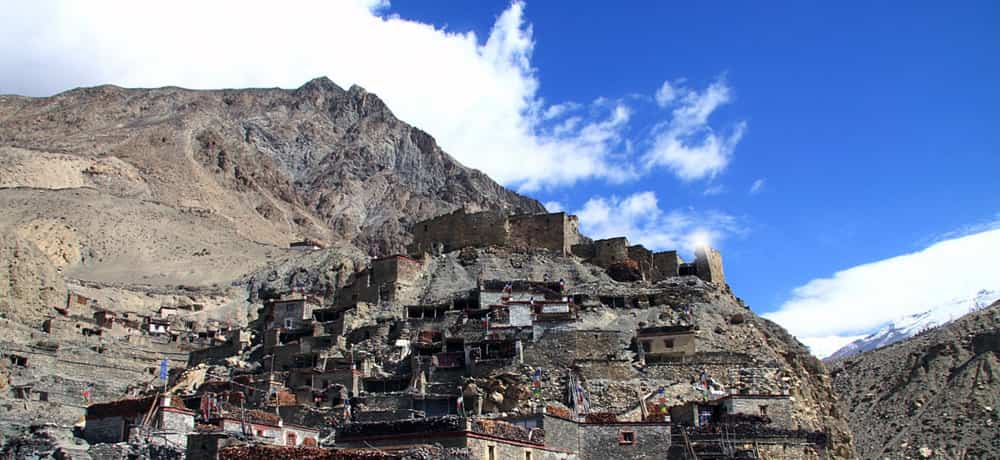
Phu Gaon is the destination of the day. After breakfast, the journey continues on an up and down hill trail and on various suspension bridges over different streams. Staying on the true left bank high above the Dho Khola, we will soon reach Junam Goth- the next ex-Khampa settlement. The trail then descends steeply to the side valley with two parallel streams. Crossing the stream we continue on a trail ascending to Lower and Upper Chyako – another Khampa settlement. Beginning with a small ridge above Chyako, the trail passes through a steep slope and after a few up and down hill climb the trail descends to Kyang –another Khampa settlement. The trail from Kyang is rocky and dangerous; however, we continue on the same trail for about 3-4 hours, before reaching a huge wall, a steep climb from which takes us to the entrance gate of one of the hidden valleys- the Phu Valley. Soon after the valley widens and we cross the bridge, walk past some old chortens and mani walls, before reaching a beautiful village perched on the hill at the confluence of Phu River. The houses of this village are very well maintained, therefore, despite the availability of camping site by the river we spend the night in the teahouse. Meals included: Breakfast, Lunch, Dinner (Highlights of the day: Beautiful view of the Pisang Peak and narrow, deep canyon; ex-Khampa settlements like Junam, upper and Lower Chyako and Kyang; experience of rocky and dangerous trail, river chortens and monasteries and the most amazing landscape of the Phu valley.)
Day 10
Acclimatization day at Phu Gaon (4,250m/13,944ft
Day details
A day will be spent in Phu, both for the purpose of acclimatization and exploration. Therefore, after breakfast, we visit Thashi Lakhang Monastery –believed to be the last monastery constructed by Karmapa Rinpoche. We also visit Yak pasture below the glacier. We then explore the landscape and also the settlement of the Phu valley, in order to understand the lifestyle, culture, and tradition of the ethnic groups living in the village. After, exploration of the village, we get back to the tea house for overnight stay. Meals included: Breakfast, Lunch, Dinner (Highlights of the day: Ancient Buddhist Monastery-Tashi Lakhang Monastery, one of the world’s 108 great Buddhist monasteries; amazing view of Himlung Himal; natural diversity; culture, religion, tradition and lifestyle of ethnic groups like Gurung, Ghale and Lama, insight on subsistence agriculture and animal breeding, yak pasture below the glacier.)
Day 11
Trek from Phu to Nar 6-7 hours
(4,110m/13,484ft)
Day details
After breakfast at Phu, we walk all the way down to the Naar Phedi to cross the suspension bridge over the Gorge of Lapche River. We cross a number of small streams and suspension bridges, before reaching this bridge. Once we cross the bridge, we will have to continue upwards on a winding, steep trail, up till the scenic terraces. We further climb ahead on the level path above the terraced field to get to the Nar Village- a very beautiful settlement with neat houses. Various Buddhist stupas greet us on the way to the village of Nar. The night will be spent in a teahouse. Meals Included: Breakfast, Lunch, Dinner (Highlights of the day: A good view of the Pisang Peak and other small peaks; small streams and suspension bridges, scenic terraces, Buddhist stupas and monasteries and a very neat and clean settlement of Nar village.)
Day 12
Acclimatization at Nar
(4,110m/13,484ft)
Day details
Tomorrow we will be climbing the Kang La Pass (5,322m). It’s very important to adapt to the thinning air, before climbing the pass. Therefore, instead of hiking further, the day will be spent doing side trips and other activities that help in the process of acclimatization. We explore the settlement and the lifestyle of people in the village. The night will be spent in a teahouse in Nar Gaon. Meals included: Breakfast, Lunch, Dinner (Highlights of the day: The landscape around the Naar village, terrace farms, and the settlement, lifestyle, culture, tradition of the people in the Naar village and monasteries, chortens and mani walls.)
Day 13
Trek from Nar to Kang La Pass to Ngwal 7-8 hours
(5,322m/17,460ft) · (3,660m/ 12,008ft)
Day details
Today, we start our day earlier than other usual days. First, we proceed towards the Kang La Phedi or the base of the Kang La Pass, which takes about 2.5 hours from the Naar village, following the wide level valley and yak pasture. You can enjoy the sight of many grazing yaks, while heading towards the Kang La Phedi. From the Phedi the trail steeply ascends, passing a number of landslide areas to the Kang La Pass, which takes about 3 hours. The top greets us with a mesmerizing view of the Annapurna Range and other small peaks. After spending some time enjoying the view, we descend crossing the steep moraine towards the grassy path, which is quite steep and usually dangerous in hard snow. The beginning of the grassy path presents us the view of Chulus waterfall. Then a steep descent through the grassy path for about 3 hours will finally bring us to the destination, Ngawal. The night will be spent in a lodge. Meals included: Breakfast, Lunch, Dinner (Highlights of the day: Yak herders camp and yak pastures, alluring view of the Annapurna range and other small peaks from the Kang La Pass, Kang la – the highest point of the entire trek, magnificent views of Chulus (west, central, east and far east), and Chulus waterfall, steep moraine and grassy trail and the lifestyle, culture and tradition of people in Ngawal with the experience of temple, mane, Chorten and monastery and a walk through the dangerous, but rewarding and thrilling landslide areas.)
Day 14
Day 14: Trek from Ngawal to Chame 5-6 hours
(2,670m/8,759ft)
Day details
Chame is the destination of the day. A steep descent from Ngawal will bring us to the settlement of Humde. From Humde, we ascend through the forest, past Mani wall to get to Ghyaru that greets us with a pleasant view of Annapurna II and IV. The trail steeply descends towards the Marsyangdi River, which then following the river, heads towards the beautiful settlement of Pisang. Enjoying the view of peaceful forest on the other bank of the river, the trail now crosses the bridge across the Marsyangdi River to get to the south bank of the river. The walk continues through the forest on the south bank till the bridge named Swargadwari, past Dhikur Pokhari. The trail now follows the north bank of the river through the pine forest and we now head towards Thaleku after passing the beautiful Apple Orchards. From Thaleku, we further walk until we reach Chame, the district headquarter of Manang. The night will be spent at a lodge in Chame. Meals included: Breakfast, Lunch, Dinner (Highlights of the day: Splendid views of Annapurna II and IV, serene forest of pine and apple orchards, classic settlement of people in the villages like Humde, Ghyaru, Pisang, Chame and an insight on their lifestyle, culture and religion through the glimpses of their settlement, temples, monasteries, and Manes.)
Day 15
Trek from Chame to Tal 7 hours
(1,700m/5,577ft)
Day details
Tal is the destination set for the day. From Chame, we retrace the path used earlier to climb up till Chame. The trail, following the south bank of the river initially descends to Latamro past Koto, which then slightly ascends to Timang. From Timang, a steep descent through the forest of Pine and Fir will take us to Dharapani, crossing Bagarchhap. Leaving the stone gateway at Dharapani the trail finally descends to the village of Tal. The night will be spent at a lodge in Tal. Meals included: Breakfast, Lunch, Dinner (Highlights of the day: Beautiful view of Mt. Manaslu, walk through the forest of pine and fir, beautiful settlements of people in the villages of Thanchok, Bagrachhap, Dharapani, Karte and Tal, a number of splendid waterfalls, thatch houses, and cultural attractions like monasteries decorated with prayer flags, temples, Chortens and Mane.)
Day 16
Trek from Tal to Besisahar 8 hours
(760m/2,493ft)
Day details
Today is the last day of the trek and our destination is Besisahar. Right from the altitude of 1700m at Tal, we hike down to the altitude of 760m at Besisahar. Following the trail along the Marsyangdi River, sometimes on the east bank and the other times on the west bank of the river, we walk down all the way Besisahar through the forest of pine and fir, cultivated terraces, of rice, marijuana, and other seasonal crops and the beautiful settlement of people flaunting their lifestyle, hospitality and culture. The night will be spent at a lodge in Besisahar. Meals included: Breakfast, Lunch, Dinner (Highlights of the day: Beautiful settlement of Tal, Jagat, Chamje, Jagat, Syange, Bahundanda, Nadi Bazaar, Bhulbhule and Besisahar exhibiting the lifestyle of Tamang and Gurung people, the trail accompanied by the view of Manaslu, Himchuli and Nagdihchuli, sub-tropical forest of pine and fur, cultivated terrace fields, a number of waterfalls, Mani walls, Chortens and Temples.)
Day 17
Drive from Besisahar to Kathmandu 8 hours
(1,300m/4,264ft7)
Day details
After successfully completing the trek, we now come back to Kathmandu. Early in the morning, we catch a bus to Kathmandu. The bus heads south till Dumre, which then follows the Prithvi Highway until it reaches Kathmandu. We stop twice, once for breakfast and once for lunch. After about 7-8 hour ride, you will reach Kathmandu. Once you reach Kathmandu, you will be escorted to your hotel, where you can freshen up and rest for some time. Around evening, the company representatives conduct a short meeting to discuss the trip, your experience and feedback, followed by a farewell dinner. The night will be spent at a tourist standard hotel in Kathmandu. Meals include: Breakfast, Lunch, Dinner (Highlights of the day: Comfortable bus, windy highway along the Trisuli River, breathtaking view of a waterfall, river, jungle, hamlets higher up on the hills, terraced fields with seasonal crops, different vegetations and the curious faces of people running motels, restaurants and lodges.)
Day 18
Departure day
(1,300m/4,264ft)
Day details
This day is the last day of your trip in Nepal with Amigo Treks and Expedition. If your flight is scheduled early morning, then one of our company representatives will escort you to the airport as per your flight departure time. But, if the flight is scheduled later in the evening, you can go shopping and collect a few mementos or simply hang around shopping areas in Kathmandu. However, if you are planning to spend some extra days in Nepal, Amigo Treks and Expedition can also make the arrangements for some other top adventurous activities that you can attend while you are in Nepal. Meals included: Breakfast (The usual day for a trek: Every day, our guides will come to wake you up at around 7:00-7:30am. A western breakfast like porridge, oats, toasts, etc. will be served at around 8:00-8:30am. The lunch will be served from a teahouse menu (mostly typical Nepali) at about 12-1pm. However, the lunch time can also be postponed on request. The dinner will be served at around 8:30-9:00pm. Your accommodation is arranged at a lodge or the houses of the host family where the lodges are unavailable, for overnight stay. While you are walking, you can also request your guide to slow down and stop at the places where you want to take some snaps. After dinner and before going to bed your team leader will brief you regarding the next day’s schedule.)
What is included in the trip price
The essentials and support items that are already built into the package.
Trip Includes
Airport pick up and drop by private vehicle
3 Nights twin sharing accommodation in Kathmandu at tourist standard hotel with breakfast
One full day guided city tour by private vehicle
Welcome dinner and farewell dinner at one of the best Nepalese restaurant with traditional ethnic music and dance
Accommodation during trek (lodge/tea house)
Annapurna trekking permits and Tims permits
Nar Phu special permit
Bus transportation to Besisahar and return to Kathmandu by local bus
Breakfast in the city and full meals during the trek
Safe drinking water
Fresh fruits after every dinner while on a trek
Gov. licensed and well trained English speaking guide and his entire expenses
A porter (One porter for each 2 members) and his entire expenses
Insurance of Guide and Porter
All required local tax and Gov tax
Down jackets and sleeping bags
What to budget for separately
Items travelers usually pay for separately, depending on style, spending habits, and optional upgrades.
Trip Excludes
Nepal arrival visa
Meals in the city except breakfast and above mentioned special dinner
Monument entrance fees
Your personal nature expenses eg. Mineral water, Beer, Coke and entire beverage etc
Travel insurance that covers trip cancelation and Helicopter evacuation
Tips and any other extending trips and extra accommodation.
Group rates by party size
Per-person rates adjust automatically with your party size. Member discounts apply where available.
2-10 travelers
US$ 1,570
per personChoose a date and see the working price
Choose a preferred date within the available travel months. We will confirm all trip services before you book.
Calendar view
Select a date below. Discounted departures are marked with a dot.
Oct 2026
Nov 2026
Questions travelers usually ask before booking
These route questions cover Nepal, remote trek planning, and the logistics travelers usually want clarified before they commit.
7Answers ready
Nar Phu Valley Trek is typically best planned for March to December. Those windows usually offer the most reliable conditions for the route, logistics, and overall travel experience.
18 Days is the standard planning window for Nar Phu Valley Trek. The pacing is shaped around the route flow, acclimatization, transport windows, and overnight stops rather than simply covering distance as fast as possible.
Nar Phu Valley Trek is planned as a high-altitude trek journey, so the experience is paced around that level of movement and stamina. The route reaches 5,322m/17,460ft (Kang La Pass), which also shapes the overall effort and recovery needed.
Hotel & Lodge. The trip is positioned at the Amigo Plus service level. Final room style and amenities can vary between cities, trail stops, and more remote sections of the route.
Private Car & Bus. We coordinate the moving parts so the route flows cleanly between each segment.
Permit, entry, and route-document requirements depend on the destination, route, and the final version of your trip for Nepal. We confirm exactly what applies before departure rather than asking you to guess from generic lists.
Useful trip information
Read travel and preparation advice
Travel Insurance: This is for everyone planning Nar Phu Valley trek in the Annapurna region of Nepal. Please get a travel insurance that covers all the added expenses that might result due to various health issues, injuries or accidents (together with air ambulance, helicopter rescue and other treatment cost). Also, make sure that your insurance policy covers all extra activities that you are planning to accomplish throughout your stay in Nepal. In addition to this, the policy should also cover death, misplaced luggage, theft and liability, cancellations, medical treatment (counting hospital charges, cost of the medicine, doctor’s fees) as well as repatriation cost. As this trek in the Annapurna region of Nepal takes you above the altitude of 5000m, it is kindly requested to ensure that your insurance policy covers treks that go over 5000m. In short, its client himself/herself has to take the responsibility regarding the entire unforeseen expenses during the trip. Health, fitness and experience requirements: Altitudes in the Nar Phu Valley trek definitely demand excellent stamina, tough determination, and the best health condition. Some sections of the trek are quite demanding and some days might even require 7-8 hours of walking. Though the Nar Phu Valley trek is considered strenuous, it is definitely attainable; however, it is highly suggested to seek advice, medications and permission from your doctor before scheduling your trek. It is also recommended to take expert guidance from your local General Practitioner regarding necessary guide walks prior to your trek in Nepal. In the absence of GP, seeking advice from travel clinic is also considered as a very good idea. Moreover, the good news is that, no technical skill is required to plan your trek or any other exploratory trips in Nepal. However, your prior hiking or camping experience will definitely be considered as a plus point. Also, a few weeks of regular exercise and jogging is recommended before the trip to build up the required stamina. Note: Please submit your medical fitness certificate that includes your present health condition, medical situation, the preceding illness and the medication you are taking prior to booking this package. You are also requested to be honest so that we can prepare ourselves to take quick action in case of emergencies. Food and Accommodation: We always make sure that our customers get the right value for their money. Therefore, we always attempt to make some of the best arrangements for our customers. To ensure a comfortable stay, we book tourist standard hotel in Kathmandu before and after your trek. Normally, the rooms are twin share, where you will have to share your room with another member of your group. However, this totally depends on the size of your group and the availability of rooms in the hotel. On request, triple share can also be arranged. However, if you are looking for a single supplement room, extra charges will be applied. During the trek, your accommodation is arranged in a local guesthouse/lodges with shared amenities or in the houses of the host family. You can also enjoy a hot shower in these lodges. In the absence of shower few buckets of hot water can also be arranged on request. A full board meal (Breakfast, Lunch, Dinner and tea &coffee) will be provided from the teahouse menu during the trek. Usually, porridge, toast or chapattis, oatmeal and local bread are served for breakfast. The food served for lunch and dinner are typically Nepali, Tibetan or western (subject to availability). Our attempt while you are on a trek: Most part of this trek takes you to the remote Himalayan region of Nepal, where communication facilities are very less. Therefore, Amigo Treks and Expedition takes all the responsibility to deliver your message to your family, friend, relatives or the concerned person. However, in this trek the telephone services are available at all the places, including Nar and Phu Valley where we stay for overnight. Nevertheless, our guides are also provided with a cell phone and are contacted on a regular basis. You can use the cell phone provided to our guides to send your message to us which will further be delivered to the respected person. Also, our guides will make every attempt to follow the planned itinerary; however, it is kindly requested to be flexible in case of changes in the itinerary caused by extreme weather conditions. We can also help you reschedule your international flight (Extra charge applicable) if you need any additional days to complete your trek. We will make every possible attempt to make your trek a ‘grand success’. Why to Trek with us? Amigo Treks & Expedition offers a wonderful opportunity to help you visit those areas, culture and tradition of Nepal that have never been explored before. Your trip itineraries are fully customized in order to meet the individualized needs and interest of each traveler. We also partner with local Sherpas and Leaders to help you get maximum out of the trip. We are highly dedicated and offer years of experience to plan an outstanding adventure trip for you. Customer service is our top priority; therefore, we cater to every possible need of yours during your stay in Nepal be it the food, accommodation, varied destinations or your communication needs. Despite all these facilities, our best packages are offered at a very competitive rate. Our legal documents: Registered under the government of Nepal, Amigo Treks & Expedition is a fully licensed and certified company. Therefore, this company holds complete authority to operate treks, tours, expedition, hiking and many other tourism related services in the Nepal, Tibet and Bhutan. In addition to this, we are also a very active member of the following organizations. Nepal Tourism board (NTB) Trekking Agents Association of Nepal (TAAN) Kathmandu Environment Education Project (KEEP) Ministry of Finance, Department of Taxation Company Registration Office, Pvt. Ltd. Ministry of Tourism and Civil Aviation, Department of Tourism Industry When should I plan this trek? Though Nepal can be visited any time of the year, the best season to plan your trek in the Annapurna region of Nepal is spring and autumn. Spring - March, April and May, perfect months to plan this trek in the Annapurna region of Nepal for the warm weather, clear skies, good temperature and the best visibility. Autumn – Mid September, October and November, perfect months to visit the Annapurna region for better visibility, clear blue skies and excellent trail. Winter – December, January and February are good months, if you can stand the extreme cold weather. Summer – Mid June, July and August are not the perfect months to visit the Annapurna region as the monsoon rain affects everything that is, trail, weather, temperature as well as the visibility. What should I bring? Along with warm clothes you will also need other equipment for the sufficient protection of your body. Below is the list of necessary items that you need to pack before commencing your trek. Head- Hat (with a wide brim), Sunglasses (with UV protection), Sunscreen lotion and Lip balm Upper body- T-shirts (2), light and expedition weight thermal tops, Fleece jacket and pullover, Fleece wind-stopper jacket (Optional), waterproof (preferably breathable fabric) shell jacket, down vest/jacket (included) Hands - Lightweight gloves, heavy-weight gloves/mittens with a waterproof outer shell Lower body - Underwear (4), hiking shorts (2), lightweight cotton long pants, light and expedition weight thermal bottoms, Fleece or wool pants, waterproof (preferably breathable fabric) shell pants Feet - Thin, light-wear inner socks (4), thick, warm wool hiking socks (4), hiking boots with spare laces, camp shoes (sneakers and/or sandals), gaiters (only for winter) Accessories - Sleeping bag rated to zero degrees F (included), headlamp with spare bulb and batteries, small padlock or combination lock, basic first aid kit, large plastic bags (for keeping items dry inside trek bag), day pack, water bottles (2), hiking pole/walking sticks, small ear plugs Toiletries – Soap, shampoo, toothbrush, small wash towel Extras - Cameras with extra batteries and cards, binoculars, light balaclava or warm fleece hat, reading books, trip map/guide book, journal & pen, iPod & travel games (like cards, chess, and backgammon) Passport and Visa Information: It is very easy to obtain Nepal’s visa. You may either apply for a visa at your nearest Nepalese Embassy/Consulate or Mission offices in your own country or you can buy this upon your arrival at Tribhuvan International Airport in Kathmandu. To apply for a visa, you need 2 passport size photographs, Visa fees in US dollars and your passport that is valid for at least 6 months before the trip. However, nationals of SAARC countries (India, Bhutan, Sri Lanka, Pakistan, Bangladesh, Maldives and Afghanistan) and China do not require any visa to visit Nepal. Transit visa for foreign nationalities is only provided for 3 days. Therefore, visa is required for longer stays. However, for the convenience or foreign nationals, a visa is also provided from the borders listed below: Tribhuvan International Airport (Kathmandu) Kakarvitta, Jhapa (Eastern Nepal) Birgunj, Parsa (Central Nepal) Kodari, Sindhupalchowk (Northern Border of Nepal) Belhiya, Bhairahawa (Western Nepal) Jamuna, Nepalgunj (Mid Western Nepal) Mohana, Dhangadhi (Far Western Nepal) Gaddachauki, Mahendranagar (Far Western Nepal) Tourist Visa Fees: Transit visa (3 days) – Free of cost Multiple entry (15 days) – 25 USD or equivalent convertible currency Multiple entry (30 days) – 40 USD or equivalent convertible currency Multiple entry (90 days) – 100 USD or equivalent convertible currency (For further information, please, contact Department of Immigration, Kalikasthan, Dillibazar, Kathmandu, and Tel: 00977-1-4433934/4429660/4438862/4438868, Download visa form-: www.immi.gov.np