The most useful thing to know about the Everest Base Camp trek is that the destination is only part of the journey. You’ll spend days walking beside the Dudh Kosi, climb the stone steps into Namche Bazaar, pass monasteries and Sherpa villages, and gradually leave the trees behind as you approach the Khumbu Glacier. The photograph at Base Camp is a lovely moment, but the walking days on either side are what make the trip.
We put this guide together for travelers who want to understand what they’ll actually be doing in Nepal. It covers the route we currently operate at Amigo Treks & Expedition, what the accommodation is like, the permits and flight arrangements, the hard days and the things we ask guests to prepare before leaving home. If you’re ready to compare dates and inclusions, the 15-day Everest Base Camp trek package has the complete day-by-day program.
At a glance: The classic Nepal-side trek visits Everest Base Camp at approximately 5,364m and, weather and health permitting, the Kala Patthar viewpoint at about 5,550m. Amigo’s standard itinerary takes 15 days from arrival to departure, with acclimatization in Namche Bazaar and Dingboche. You’ll need steady hiking fitness, warm clothing, proper insurance and a flexible attitude toward Lukla flights. You do not need technical climbing skills for the standard teahouse route.

What Makes the Everest Base Camp Trek Worth Doing?
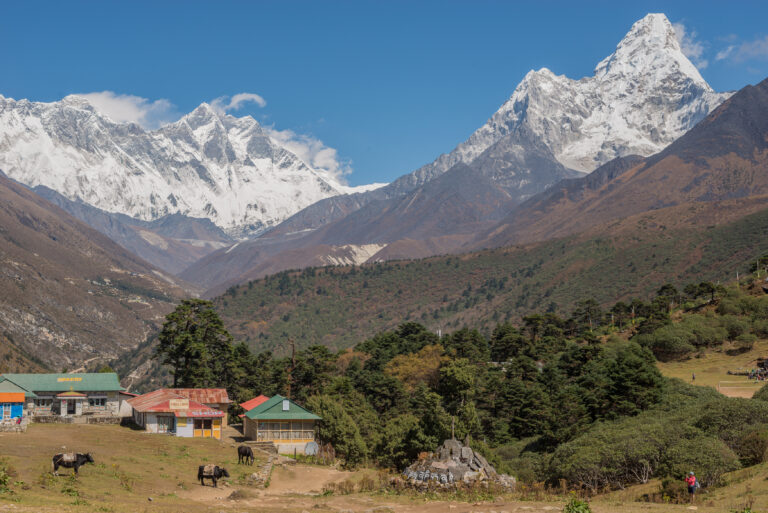
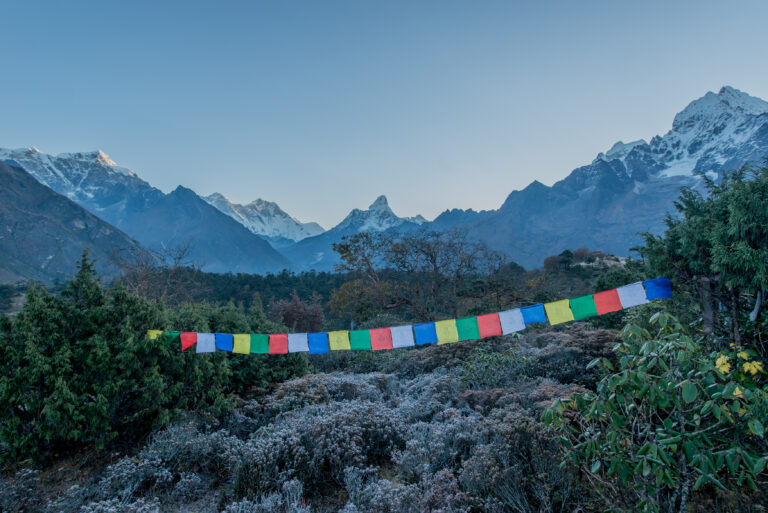
You won’t see Everest’s summit clearly from Base Camp itself. The surrounding ridges and Nuptse block much of the view. Kala Patthar is the usual place for the more recognizable panorama of Everest, Nuptse and the surrounding peaks. On the trek you’ll also see Ama Dablam and Lhotse from different angles, often while going about ordinary things such as stopping for lunch or crossing a bridge.
The Khumbu is not simply a backdrop for photos. Namche is a trading centre and a place where people live and work; Tengboche and nearby monasteries are active religious sites. It’s worth leaving time to visit respectfully, ask before photographing ceremonies and enjoy the quieter moments rather than rushing from one named viewpoint to another.
- The flight into Lukla and the first days following the Dudh Kosi valley, when conditions allow the aircraft to operate.
- Namche Bazaar, with its shops, cafés and views of the surrounding mountains.
- Tengboche’s monastery area and the trail through the forest to Deboche.
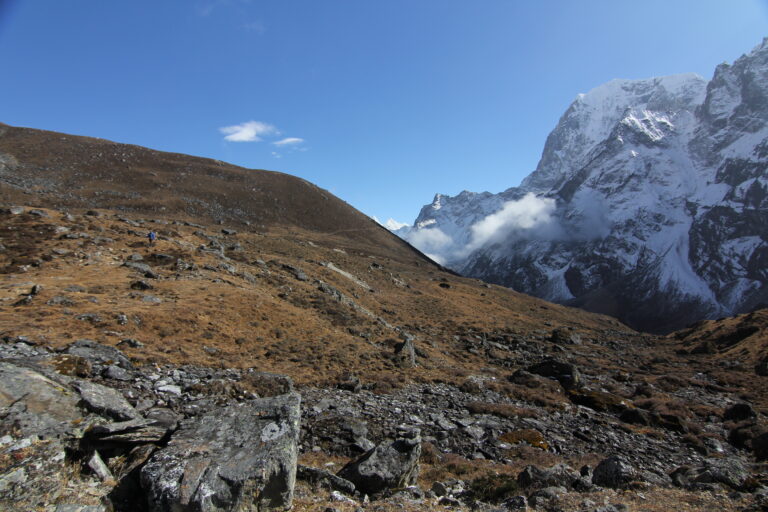
- The change in scenery above Dingboche as the trail moves into the high, rocky valley.
- The Khumbu Glacier, Everest Base Camp and, if you’re acclimatized and the weather permits, Kala Patthar.
Amigo’s 15-Day Everest Base Camp Itinerary
There are many Everest itineraries online. Some count days from Lukla, some begin in Kathmandu, and others use a helicopter on the return. The following is Amigo’s published standard 15-day itinerary, including the Ramechhap transfer commonly used during the main trekking seasons. The walking hours are estimates, not a target the group has to meet.
| Day | Route | What the day involves |
|---|---|---|
| 1 | Arrive in Kathmandu | Airport pickup, hotel check-in and trip arrangements |
| 2 | Prepare and drive to Ramechhap | Around 130km, normally about 4–5 hours by road on the published peak-season plan |
| 3 | Fly to Lukla; trek to Phakding (2,610m) | Flight around 12–15 minutes from Ramechhap and approximately 4 hours’ walking |
| 4 | Phakding to Namche Bazaar (3,440m) | Around 10km and 7–8 hours, with a substantial climb |
| 5 | Acclimatization day at Namche | Shorter local walks as appropriate; another night at Namche |
| 6 | Namche to Deboche (3,820m) | Around 12km and 7–8 hours, passing the Tengboche area |
| 7 | Deboche to Dingboche (4,410m) | Around 11km and 5–6 hours |
| 8 | Acclimatization day at Dingboche | Another night in Dingboche before climbing higher |
| 9 | Dingboche to Lobuche (4,910m) | About 8.5km and 5 hours on increasingly exposed ground |
| 10 | Gorakshep → Everest Base Camp (5,364m) → Gorakshep | Roughly 10km and 7–8 hours in the published plan; sleep at Gorakshep |
| 11 | Kala Patthar (~5,550m); descend to Pheriche | Viewpoint subject to conditions, followed by a substantial descent |
| 12 | Pheriche to Namche Bazaar | About 18km and 7–8 hours |
| 13 | Namche to Lukla | About 18km and 6 hours |
| 14 | Fly from Lukla; return to Kathmandu | Ramechhap flight and private road transfer when that routing operates |
| 15 | Departure from Kathmandu | International departure arrangements |
In this particular 15-day program, Base Camp is on Day 10 and Kala Patthar on Day 11. If you see a different day number in another Amigo itinerary, check whether it counts an extra preparation or Ramechhap day. If a guide recommends an additional acclimatization night, that may be the right decision even when it changes the printed schedule.
How Difficult Is the Trek—and Who Is It For?
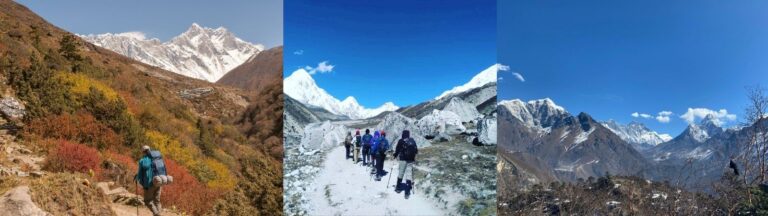
The classic route is challenging hiking, not technical mountaineering. There are suspension bridges, uneven stone steps, long uphill sections and a considerable amount of descending on the way back. The walk to Namche is a good early test of endurance, while the days near Lobuche and Gorakshep feel harder because the air is thinner. On the return, tired legs still have to cover long distances.
We recommend that guests are comfortable walking for five to seven hours on hilly ground before they come to Nepal, with some practice on consecutive days. You don’t need to be a runner, but arriving after months of no exercise makes the holiday less enjoyable. Our training guide sets out a practical walking and strength plan, and the trek difficulty article explains the demanding stages.
Someone new to Himalayan trekking can complete the classic route if their health, preparation and pace are suitable. The right question isn’t only “Am I fit enough?” It’s also whether you have enough days, the proper equipment and an itinerary that allows you to respond sensibly to altitude symptoms.
Acclimatization: Why We Stop at Namche and Dingboche
Altitude sickness can affect experienced hikers as well as beginners. The CDC’s high-altitude travel guidance makes clear that physical fitness does not prevent it. Above 3,000m, general recommendations favour limiting increases in sleeping altitude to about 500m per night and including extra acclimatization nights; even standard Everest schedules can be too fast for some people.
The days at Namche and Dingboche are there for a reason. They give your body time to adjust while still allowing appropriate local walks. Your guide should know if you develop a headache with nausea, dizziness, poor appetite or unusual fatigue after going higher. Do not ascend to sleep higher with suspected altitude illness. Worsening symptoms, confusion, difficulty walking straight or breathlessness at rest call for urgent help and usually descent.
A pulse oximeter can be useful context for a guide or clinician, but no single oxygen-saturation number replaces symptoms and proper assessment. If you have medical conditions or a history of altitude illness, speak to a travel-medicine professional before travel and tell Amigo about any planning implications.
Flying to Lukla: Why Your Flight Might Start in Ramechhap
In the main trekking seasons, scheduled fixed-wing flights to Lukla commonly operate from Manthali Airport in Ramechhap rather than Kathmandu. Amigo’s standard 15-day program includes a private Kathmandu–Ramechhap transfer, the Ramechhap overnight stay and the planned flights. At other times, direct Kathmandu–Lukla arrangements may be offered. The airline and departure airport must be confirmed for the actual travel date.
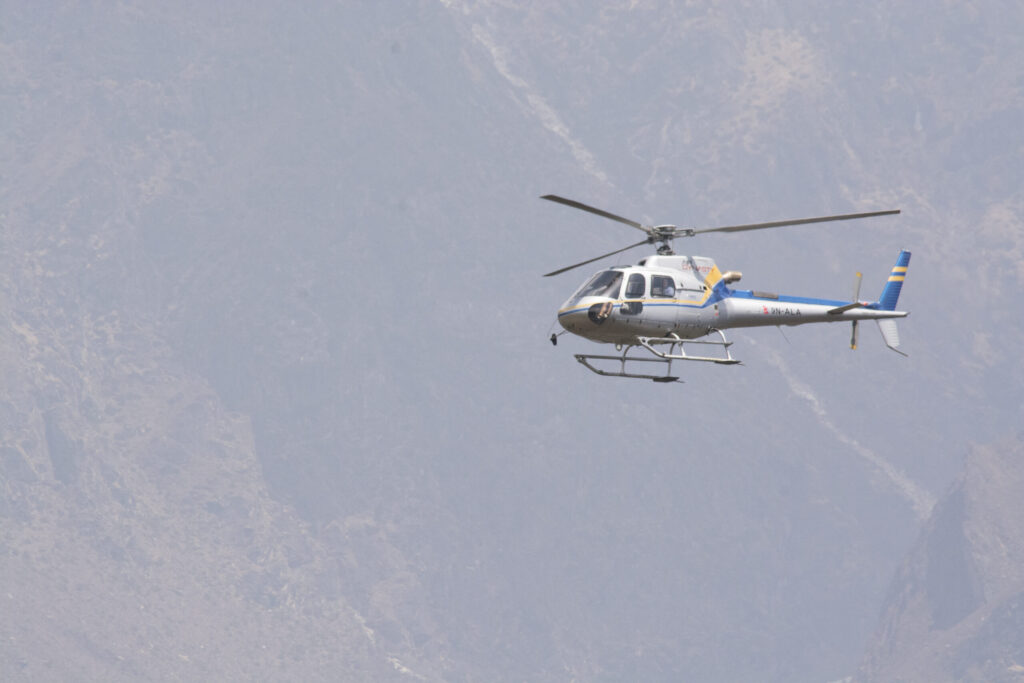
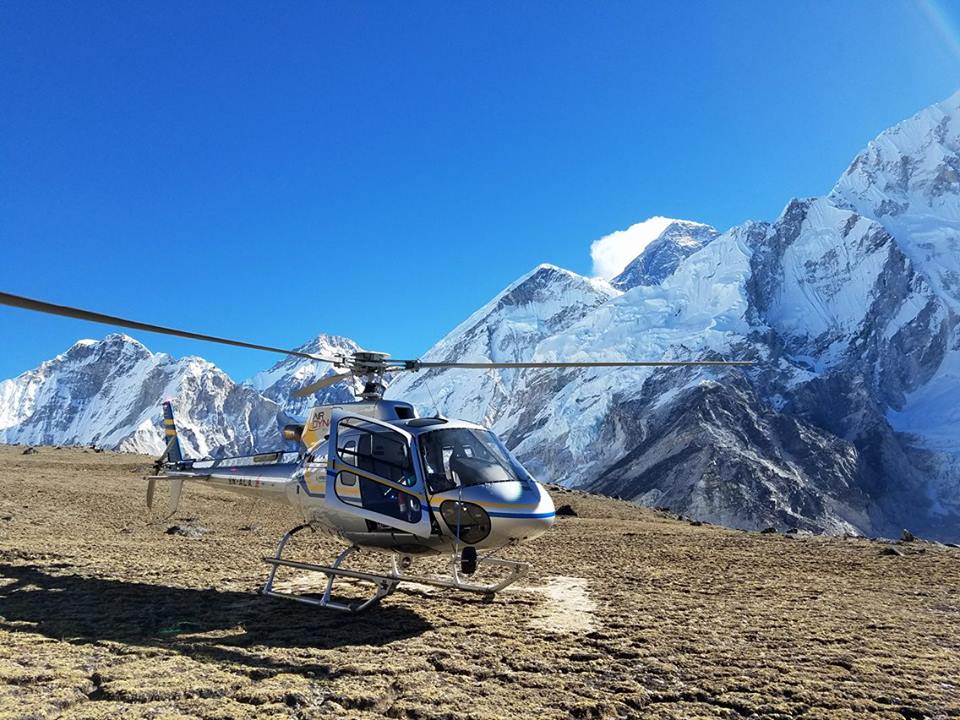
A weather observation from Lukla only describes conditions at that moment. A tower message reporting clear sky or VFR conditions does not guarantee that a flight has departed, that the entire route is safe or that the weather will stay good. Pilots and the airline decide when conditions are suitable. Helicopters also have safety limits and are not guaranteed alternatives in bad weather.
If you need to make a long-haul flight home, we suggest leaving a spare day or two in Kathmandu where possible. The Kathmandu to Lukla flight guide covers baggage limits, the road transfer, cancellations and alternative routes. It also explains how to interpret tower observations without mistaking them for actual flight-operation records.
Permits, Guide Arrangements and Nepal Visa
The classic route involves Sagarmatha National Park and the Khumbu local trekking administration. The park’s official citizen charter lists NPR 3,000 for most foreign visitors, NPR 1,500 for SAARC visitors and NPR 100 for Nepali citizens. The Khumbu Pasang Lhamu municipality publishes a Trek Card fee of NPR 3,000 for other foreign citizens and NPR 2,000 for SAARC and Chinese citizens. These rates and processes should be checked again for the date of travel.
The Nepal Tourism Board’s TIMS guidance also names Everest routes under its wider guide-and-TIMS rules, while local Khumbu Trek Card practice has been described differently. We wouldn’t advise a guest to buy a second card on the strength of a blog alone. Let Amigo confirm the exact requirements for your route and passport. All necessary trekking permits and a government-licensed guide are included in our standard package.
Many nationalities can obtain a Nepal tourist visa on arrival, but there are exceptions. The Department of Immigration currently lists standard fees of US$30 for 15 days, US$50 for 30 days and US$125 for 90 days. Indian citizens have separate visa-free arrangements, and other nationality-specific exemptions or pre-approval requirements may apply. Since the trek itself uses 15 days, consider the possibility of early arrival, extra sightseeing or a flight delay when choosing visa validity.
What Are Food and Accommodation Really Like?
The first night on the mountain feels quite different from the last. Phakding and Namche usually have a wider choice of accommodation and meals. Further up, rooms tend to be simpler, bathrooms more basic and dining rooms become the social centre of the lodge. A comfortable bed does not necessarily mean a heated bedroom.
Amigo’s standard package currently lists two nights in a three-star-standard Kathmandu hotel, a Ramechhap stop when that routing is scheduled, and twin-sharing teahouse accommodation on the trail. The published arrangements include attached bathrooms and hot showers at Phakding, Namche, Deboche and Lukla, attached toilets at Dingboche and Pheriche, and shared facilities at some higher locations. Room upgrades or single occupancy are limited at high elevations and may involve supplements.
Meals on trekking days are included: breakfast, lunch and dinner from the lodge menu. You can usually choose from porridge, eggs, toast, noodles, soups, fried rice and dal bhat, with less variety higher up. The published package also includes three cups of normal tea or coffee daily and treated drinking water except at Lobuche and Gorakshep. Hot water, extra drinks, charging, Wi-Fi and some shower services may cost extra. Please tell the team in advance about allergies or dietary restrictions.
When Is the Best Time to Walk to Base Camp?
| Season | What we tell guests |
|---|---|
| March–May | Popular spring months. Lower trails may be milder; upper lodges remain cold, with changing cloud and snow conditions. |
| June–September | Main monsoon period. Wet lower paths, cloud and potential flight disruption deserve more preparation. |
| October–November | Often clear post-monsoon mountain views; busy trails and colder nights later in autumn. |
| December–February | Quieter winter travel can be possible, with considerable cold, snow or ice at elevation. |
If your holiday dates are flexible, compare April with October, or read the year-round Everest weather guide. We don’t promise a view of Everest on any particular day. A clear October morning is possible, but mountain weather can change in minutes.
What Do You Actually Need to Pack?
Pack for the coldest place you’ll sleep, not the warmest day in Kathmandu. A reliable insulated jacket, thermals, waterproof outerwear, gloves, good boots and a sleeping bag with an appropriate comfort rating matter more than bringing several extra outfits. Don’t break in new boots on the trail, and keep your medication and warm layers in your own daypack.
- Comfortable, broken-in boots and several pairs of dry trekking socks.
- Moisture-wicking walking clothes, thermal base layers, fleece and a substantial insulated jacket.
- Waterproof and windproof shell, warm hat, gloves, sunglasses and sun protection.
- Headlamp, water containers, personal medication, a daypack and, if you like, trekking poles.
- Sleeping bag rated for high-altitude teahouse nights; check the actual comfort rating if using rented equipment.
Amigo supplies a 70L duffel and includes a rental down jacket and four-season sleeping bag when required. The planned Lukla flight allowance is normally 10kg of checked luggage plus 5kg carry-on, subject to your operating carrier’s conditions and actual aircraft weight limits. Our detailed EBC packing list helps with quantities and what to carry yourself.
How Much Does It Cost, and What Insurance Do You Need?
Our published standard 15-day trek currently starts from US$1,450 per person for qualifying larger groups. Smaller groups pay different rates. Compare the final quote by looking at the actual hotels, transfers, Lukla flights, permits, meals and guide and porter support—not simply the price on a search result. You can read the group-price breakdown and extra expenses in our Everest Base Camp trek cost guide.
Travel insurance is mandatory on Amigo’s standard trek and must cover medical treatment and emergency evacuation at the altitude you plan to reach. Because Kala Patthar reaches approximately 5,550m, we suggest asking for written confirmation of cover for trekking up to at least 6,000m. Weather delay, missed international connections and medical helicopter evacuation are different benefits and may have different exclusions. Our EBC insurance guide explains what to ask before buying.
What If You’re Traveling Alone or Want a Different Route?
Solo visitors, including women traveling alone, can join an organized group or arrange a private trip with a licensed guide. We would rather talk about the practical questions—who is meeting you, the accommodation arrangement, guide contact details and what happens if plans change—than promise that a busy trail removes every risk. Ask which departures have compatible group sizes, and discuss a private option if you prefer your own pace.
Not everybody needs to stay at Gorakshep to enjoy the Everest region. The Everest Panorama Trek visits lower Khumbu villages and viewpoints without reaching Base Camp. The Gokyo and Cho La itinerary and Three Passes trek take stronger, more experienced walkers across demanding high terrain. The helicopter-return trek can reduce return walking but remains dependent on safe helicopter operations.
If flying to Lukla is not acceptable, longer road-and-trek approaches are possible through the Solu region, but they require extra time and logistics. They are not quick replacements for a cancelled flight. Before choosing one of these alternatives, consider your dates, fitness and the conditions at the higher passes or on the road.
Everest Base Camp Trek Guide: Common Questions
Is Everest Base Camp the summit of Mount Everest?
No. Everest Base Camp is a trekking destination on the Nepal side at approximately 5,364m. The summit is far higher and requires a separate mountaineering expedition.
How many days does the EBC trek take?
Amigo’s current standard program is 15 days including Kathmandu, flight logistics and the Lukla-to-Lukla walk. Base Camp is on Day 10 and Kala Patthar on Day 11.
Can a beginner walk to Everest Base Camp?
Some beginners can, with suitable preparation and health, but it is a challenging high-altitude trek. Consecutive long hiking days and acclimatization are central to success.
Do I need climbing equipment or ropes?
Not for the standard teahouse trail in normal conditions. Good hiking boots, layered clothing, a sleeping bag and appropriate preparation are more important.
Where do trekkers sleep on the Base Camp day?
On the standard route, you visit Everest Base Camp during the day and return to Gorakshep to sleep. It is not an overnight stay inside an expedition camp.
Can I see the summit of Everest from Base Camp?
Not clearly. Kala Patthar is the better nearby viewpoint for the recognizable Everest summit panorama when skies are clear.
Does trekking fitness prevent altitude sickness?
No. Fit trekkers can develop altitude illness. A sensible ascent, symptoms monitoring and willingness to descend are important.
Which permits are needed?
Sagarmatha National Park and local Khumbu Trek Card requirements apply. National TIMS guidance also covers Everest routes, so Amigo should verify the exact current paperwork for your route and passport.
Will my Lukla flight depart from Kathmandu?
Possibly, but many peak-season fixed-wing flights use Manthali Airport in Ramechhap. Confirm your ticket’s departure airport and any road and hotel arrangements.
Can I get a hot shower every night?
Do not assume so. Amenities are more limited at higher villages, and the standard package specifies which lodges have attached bathrooms, toilets and showers.
What does the trek package include?
The standard package includes specified hotels and teahouses, trekking meals, planned Lukla flights, permits, a guide, porter support and other listed services. Insurance, Nepal visa and personal extras are separate.
What is the best month to trek?
April, October and November are popular, but March and May are also commonly suitable. Compare likely weather, crowds and your cold tolerance before choosing.
How much should I budget for personal spending?
It depends on paid showers, charging, Wi-Fi, extra drinks, snacks, tips and unexpected flight changes. Bring enough accessible Nepalese rupees; don’t rely only on a fixed US-dollar estimate.
Is it possible to travel without flying to Lukla?
Yes, a longer approach via roadheads in the Solu region can be arranged with extra walking days. It requires advance planning and depends on current road conditions.
Should I get insurance for above 5,000m?
Yes. Base Camp is about 5,364m and Kala Patthar is around 5,550m. Confirm coverage in writing for your highest planned altitude and medically necessary evacuation.
Can I bring a power bank and camera?
Yes, within the airline’s baggage and battery rules. Charging may cost extra on the trail; keep batteries protected from the cold.
Our Advice Before You Book
Give yourself enough time to enjoy the trek. Train on hills before coming to Nepal, leave room for Lukla flight changes and be honest with your guide about how you feel at altitude. Don’t choose a shorter schedule just to save a day if it removes the time your body may need to adjust. And don’t expect every higher village to offer the comforts of a Kathmandu hotel.
For the itinerary and the exact services included in your departure, see Amigo’s Everest Base Camp trek. If you have specific questions about group size, lodging or extra acclimatization time, share them with the Kathmandu team before making a booking.