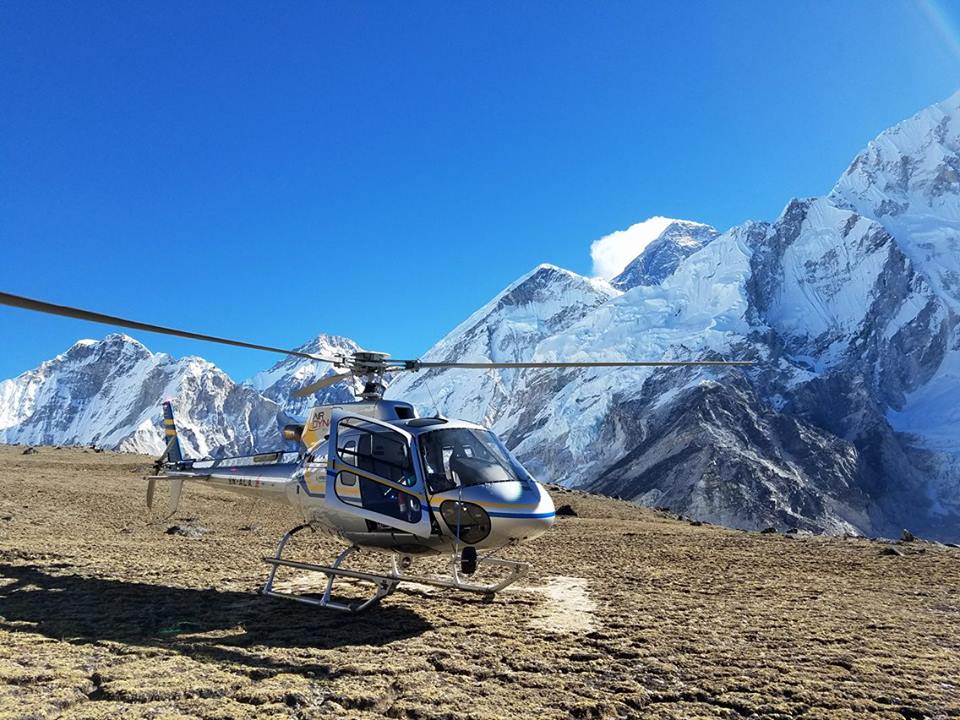
If you’re planning to trek to Everest Base Camp from India, the mountain is only one part of the preparation. You also need to decide how to reach Kathmandu, which identity document to travel with, whether your package includes meals, and how many days to leave for Lukla flight changes. Getting those decisions right before leaving India will make the whole trip easier.
At Amigo Treks & Expedition in Kathmandu, we work with travelers arriving from across India. The most useful advice we can give is not to choose a trek by the lowest advertised price alone. Compare the actual route, acclimatization days, Lukla flight arrangements, food, permits and the expenses that remain your responsibility. Our 14-day Everest Base Camp trek for Indian travelers and standard 15-day trek have different itineraries and inclusions.
Quick answer: Indian citizens do not need a visa for Nepal. If you’re flying between India and Nepal, carry a valid Indian passport or an original voter ID with a photograph; Aadhaar is not an accepted international air-travel document. Allow roughly two weeks for the Everest Base Camp trek, plus flexibility for flights. Base Camp is at about 5,364m and Kala Patthar reaches about 5,550m, so good fitness and proper acclimatization are essential.
Planning an Everest Base Camp Trek From India: Key Facts
| Question | What Indian travelers should know |
|---|---|
| Nepal visa | Not required for Indian citizens; bring valid identification |
| Travel by air | Kathmandu is the usual arrival city; Lukla flights may depart from Ramechhap during peak seasons |
| Travel by land | Official India–Nepal crossings are available; reach Kathmandu and allow extra road-travel time |
| Everest Base Camp | About 5,364m; reached on foot on the classic Nepal trail |
| Kala Patthar | Around 5,550m; optional viewpoint hike if your health and weather permit |
| Trekking permits | Sagarmatha National Park SAARC entry fee and Khumbu local Trek Card; confirm current requirements |
| Popular months | March–May and October–November |
| Package options | Amigo’s Indian-focused itinerary: 14 days; standard full-board itinerary: 15 days |
| Important preparation | Training, insurance above 5,000m, warm layers, realistic flight buffer |
Do Indian Citizens Need a Passport or Visa for Nepal?
Indian nationals do not require a tourist visa to enter Nepal. For international flights between the two countries, the Embassy of India in Kathmandu states that the accepted documents are a valid Indian passport or an original photographic voter ID issued by the Election Commission of India. Downloaded or printed electronic voter-ID copies are not accepted for this purpose. Aadhaar, PAN cards and driving licences are not substitutes for those documents on an India–Nepal flight.
The rules for children and particular travel circumstances deserve special care. Nepal’s immigration guidance and some airline policies describe age-related exceptions, but a family should confirm accepted documents directly with the international airline and both countries’ authorities before buying tickets. The Kathmandu airport immigration FAQ explains the no-visa provision for Indian citizens. Your domestic Lukla airline can have its own check-in identification requirements as well.
If you are living in India but traveling on a passport from another country, Indian-citizen visa-free entry does not automatically apply. Follow Nepal’s entry requirements for your passport nationality.
How to Reach Kathmandu From India
Option 1: Fly to Kathmandu
For most visitors with limited leave from work, a flight to Kathmandu is the simplest choice. Delhi has regular air connections, while services from other cities and connecting routes can change. Check the airline’s current schedule from your departure airport—whether you’re starting in Delhi, Mumbai, Bengaluru, Kolkata, Chennai or elsewhere—rather than assuming a direct flight operates every day. Allow enough time after arrival in Kathmandu for a briefing and equipment checks before the trek.
Option 2: Travel Overland
If you’re traveling from northern or eastern India and have more time, an official land crossing can be practical. Nepal Tourism Board identifies established crossings including Raxaul–Birgunj, Sunauli–Belahiya/Bhairahawa, Panitanki–Kakarbhitta, Rupaidiha–Nepalgunj and Banbasa–Mahendranagar. Which route makes sense depends on where you’re starting and current border and road conditions.
| India-side access | Nepal-side crossing | When it may make sense |
|---|---|---|
| Raxaul / Bihar | Birgunj | Overland approach to Kathmandu from Bihar and adjoining areas |
| Sunauli / near Gorakhpur | Belahiya, Bhairahawa | Approach from eastern Uttar Pradesh |
| Panitanki / Siliguri area | Kakarbhitta | Approach from West Bengal and nearby regions |
| Rupaidiha / Uttar Pradesh | Nepalgunj | Approach from the western Uttar Pradesh side |
| Banbasa / Uttarakhand | Mahendranagar | Approach from Uttarakhand and western Nepal |
The road journey from a border to Kathmandu can take many hours or longer depending on traffic, roadworks and weather. Overland travel also does not mean a vehicle can drive to Everest Base Camp: the classic route still requires flying or walking into the Khumbu and then trekking. Review Nepal Tourism Board’s official road entry information and confirm your preferred crossing before departure. If you’re taking your own vehicle, customs and other vehicle requirements apply.
14-Day Indian Package vs 15-Day Standard Package
Amigo offers more than one Everest Base Camp itinerary. These are different packages, not just two prices for identical services. The Indian-focused trip is published as 14 days, while our current standard full-board package takes 15 days and includes an advance Ramechhap arrangement during peak seasons.
| What you’re comparing | 14-day EBC for Indian travelers | Standard 15-day EBC trek |
|---|---|---|
| Published starting price | From US$1,180 per person; reconfirm for your date and group size | From US$1,450 per person for qualifying larger groups |
| Trip duration | 14 days including Kathmandu | 15 days including Kathmandu and the current Ramechhap plan |
| Everest Base Camp visit | Day 9 on the published Indian-focused itinerary | Day 10 |
| Kala Patthar viewpoint | Day 10 | Day 11 |
| Acclimatization | Namche and Dingboche stops in the itinerary | Namche and Dingboche stops in the itinerary |
| Meals | Trekking meals are not clearly listed in current Indian-package inclusions; request written confirmation and a full meal budget | Breakfast, lunch and dinner on trekking days are included |
| Ramechhap transfer | Published shared transport in peak season | Published private transfer and Ramechhap overnight in peak season |
| Best next step | Request itemized 14-day quote, meal coverage and flight details | Request group-size rate and inclusions for your travel dates |
Important: The current Indian-focused product page’s inclusions do not expressly list three trekking meals each day, and its exclusions advise allowing around INR 25,000–30,000 for meals. That published wording needs clarification before a traveler pays. Don’t assume the lower package price includes full-board food simply because another Amigo package does. Ask us for an itemized quote showing exactly which meals, hotels and flights are included.
Prices are published in US dollars on the product listings, while Indian-passport pricing and payment presentation may use Indian or Nepali rupees. Ask for a written, date-specific quote showing the actual payable amount, currency and any conversion basis. An estimate calculated from an online exchange rate is not the same as a confirmed package price. See our Everest Base Camp trek cost breakdown for other expenses.
The 14-Day Everest Base Camp Route for Indian Travelers
Here is the broad sequence of Amigo’s Indian-specific 14-day trip. This version visits Base Camp on Day 9, rather than Day 10 as in the standard 15-day package. Flight routing and hotel arrangements must be confirmed for each departure.
| Day | Itinerary |
|---|---|
| 1 | Arrival in Kathmandu |
| 2 | Fly to Lukla; trek to Phakding |
| 3 | Phakding to Namche Bazaar |
| 4 | Acclimatization in Namche Bazaar |
| 5 | Namche to Tengboche |
| 6 | Tengboche to Dingboche |
| 7 | Acclimatization in Dingboche |
| 8 | Dingboche to Lobuche |
| 9 | Walk via Gorakshep to Everest Base Camp (about 5,364m) and back to Gorakshep |
| 10 | Kala Patthar (around 5,550m), descend to Pheriche |
| 11 | Pheriche to Namche Bazaar |
| 12 | Namche to Lukla |
| 13 | Fly from Lukla; return to Kathmandu |
| 14 | Departure from Kathmandu |
The published day-by-day description is a planning reference. The higher stages are difficult, and the day’s pace can change because of weather, trail conditions or how well someone is acclimatizing. If your schedule allows, an extra day in Kathmandu before your flight home is valuable. If you are concerned about altitude, a slower customized itinerary may be more appropriate than removing acclimatization time.
Which Everest Trekking Permits Do Indians Need?
Indian citizens qualify for the SAARC rates published for Nepal’s protected areas. The current Sagarmatha National Park entry fee is NPR 1,500 per SAARC visitor, compared with NPR 3,000 for most other foreign nationals. The Khumbu Pasang Lhamu local Trek Card is published at NPR 2,000 for SAARC citizens, including Indians.
National TIMS and guide information has sometimes been described differently from local Khumbu Trek Card practice. Your trekking operator should confirm the currently applicable combination for your route and nationality rather than charging for a redundant document. Both Amigo EBC package listings include the required trekking permits. Keep an original travel document accessible as requested for registration or checks.
Lukla Flights: An Important Detail for Indian Travelers
Landing in Kathmandu does not mean your Lukla flight will depart from Kathmandu. During the busy spring and autumn periods, scheduled aircraft often operate from Manthali Airport in Ramechhap. This normally adds a road transfer from Kathmandu, and some programs include a Ramechhap overnight stay. Our current 15-day package does; the Indian 14-day page describes shared transfer arrangements instead. Ask which version applies before you confirm international flights.
The short flight into Lukla depends on safe aviation conditions. Even if the sky looks clear in Kathmandu, cloud, wind or visibility at Lukla can delay flights. Helicopter alternatives are sometimes possible but are not guaranteed to operate in unsuitable weather or to be included in a standard fare. For details, read the Kathmandu to Lukla flight guide. That article also explains why an isolated Lukla tower weather observation does not prove an aircraft actually flew.
Fitness and Altitude: Preparing Before Leaving India
Everest Base Camp isn’t a technical climb, but it is a demanding high-altitude hike. The trail has steep climbs, long descents and days of walking above 4,000m. Before leaving India, practise hills or stairs, do several longer walks each week and spend some weekends walking on consecutive days. Wear your actual trekking boots during training rather than discovering problems in the Khumbu.
You don’t need to train with a very heavy backpack if a porter will carry your main bag. What matters more is consistency, balance, leg strength and recovering well enough to walk again the next morning. Our Everest Base Camp training plan and difficulty guide are more useful than trying to copy a professional athlete’s training routine.
Altitude illness can affect fit people. The CDC Yellow Book advises gradual ascent and emphasizes that good fitness does not prevent acute mountain sickness. Report new headaches, nausea, dizziness or unusual fatigue promptly, and don’t sleep higher with suspected altitude illness. Severe or worsening symptoms can require urgent descent and medical care. Consult a travel-medicine clinician if you have medical concerns or want to discuss altitude medications before the trip.
Will You Find Vegetarian and Indian-Style Food?
Many Indian trekkers ask us about vegetarian food before asking about the mountains. Dal bhat, rice, vegetable curry, potatoes, soups, noodles, eggs, porridge and chapati are common along the main route. You won’t find the same restaurant choice as in Delhi or Mumbai, especially above Dingboche, but familiar vegetarian meals are often available. If you require strict Jain food, have allergies or need a particular diet, let us know before booking so we can confirm what’s realistic at each lodge.
Meal prices generally rise at higher villages because ingredients have to be carried up the mountain. If you are considering the 14-day Indian-specific package, ask explicitly about the food budget and which drinks or meals are included. The standard 15-day full-board package includes breakfast, lunch and dinner on trekking days, plus certain tea, coffee and treated-water allowances; personal extras may still cost more.
We don’t advise carrying a heavy bag full of packaged food or relying on caffeine or excessive water to prevent altitude sickness. Bring a few snacks you already enjoy, eat enough for your daily effort and use properly treated drinking water.
Indian Rupees, Nepali Rupees and Payments on the Trail
Nepal uses Nepalese rupees (NPR). Do not assume Indian UPI apps, Indian bank cards or high-denomination Indian notes will be accepted in every mountain lodge or small shop. Bank rules and cross-border payment options change, and connectivity can be unreliable. It is sensible to arrange enough accessible NPR for personal expenses before starting the trek.
The RBI has amended its India–Nepal currency transport rules, including changes in late 2025 and early 2026. We would not give a fixed cash-carrying limit from an old travel article. Check the latest Reserve Bank of India rules and Nepal Rastra Bank guidance before carrying substantial cash or particular denominations across the border. Ask Amigo how the package balance will be collected and whether any card-processing fee applies to your chosen payment method.
Travel Insurance for Indian Everest Trekkers
Choose a policy that covers trekking to your highest planned elevation and medically necessary helicopter evacuation. Kala Patthar on both packages reaches around 5,550m, so ask the insurer to confirm the coverage threshold in writing; a policy capped at 5,000m is insufficient for the full plan. Also check medical treatment, repatriation, trip interruption and weather-related travel delays separately. See our EBC trekking insurance guide.
Your trek guide can help coordinate assistance, but no company can guarantee an immediate helicopter rescue; weather, altitude, operating regulations and aircraft availability can affect response times. Save the insurer’s emergency contact details both on your phone and on paper.
Best Months and What to Pack
For most trekkers traveling from India, spring (March–May) and autumn (October–November) are the first months we recommend considering. They are popular for trekking, but clear mountain views are never guaranteed. The monsoon can make lower sections wet and flight delays more likely, while winter is considerably colder at higher villages. Use our EBC weather by month guide or compare April and October if your dates are flexible.
- Comfortable, broken-in trekking boots and spare quick-drying socks.
- Breathable hiking clothes, thermal base layers, fleece and a warm insulated jacket.
- Windproof/waterproof shell, gloves, warm hat and sun protection.
- A sleeping bag with a genuine comfort rating appropriate for upper teahouses.
- Headlamp, water bottles, personal medication and a small first-aid kit.
- A daypack for essentials; check the Lukla airline’s checked and cabin baggage allowance.
Amigo’s current product listings include a down jacket and sleeping bag if required, but confirm the actual rental terms and equipment condition for the package you select. Our complete EBC packing list helps you avoid overpacking from India.
Group Trek or Private Trek: Which Is Better?
If you’re traveling solo, you can ask to join a scheduled group or book a private guided trip. Groups may make some shared services more economical, while private departures offer greater flexibility over the daily pace and room arrangements. Neither is a substitute for acclimatization or a suitable insurance policy. We would match the itinerary to your walking ability, travel dates and budget rather than sell the same departure to everyone.
If this is your first high-altitude trek, start with our first-timer planning guide. If the trek’s highest overnight villages are unsuitable, a shorter Everest Panorama Trek might be more comfortable while still offering Sherpa villages and mountain views.
Everest Base Camp Trek From India: Frequently Asked Questions
Do Indian citizens need a visa for the Everest Base Camp trek in Nepal?
No. Indian nationals do not need a Nepal tourist visa. Carry the identification required for your chosen travel route and airline.
Can I travel from India to Nepal with Aadhaar only?
Not for international flights between India and Nepal. The Indian Embassy identifies a valid Indian passport or original photographic voter ID as acceptable; Aadhaar and PAN are not substitutes.
Can I use an Indian voter ID instead of a passport?
Yes, the original photographic voter ID issued by the Election Commission of India is accepted for air travel between India and Nepal under the Embassy’s published rules. Confirm the domestic airline’s separate check-in requirements.
How much does an Everest Base Camp trek from India cost?
Amigo currently lists a 14-day Indian-focused package from US$1,180 per person and a 15-day standard package from US$1,450 for qualifying groups. These itineraries and inclusions differ, and international travel plus personal expenses are additional.
Does the 14-day Indian package include all meals?
The published inclusions do not clearly list trekking meals, and the exclusions describe an additional meal allowance of around INR 25,000–30,000. Ask Amigo for the confirmed full-board or meal-excluded quotation before paying.
How long should I allow for the trip from Delhi, Mumbai or Bengaluru?
The Indian-focused trek is published as 14 days from Kathmandu arrival to departure; the standard route takes 15 days. Add your international travel time and ideally a buffer after Lukla for weather delays.
Can I reach Kathmandu from India by train and road?
Yes. Travelers can use Indian rail or road services to an official India–Nepal border crossing and continue to Kathmandu. Check current border, road and vehicle rules, and allow sufficient extra time.
What are the Everest trekking permit fees for Indian citizens?
The published SAARC rates are NPR 1,500 for Sagarmatha National Park and NPR 2,000 for the Khumbu local Trek Card. Let your operator confirm any other currently applicable route documents. Amigo’s listed packages include required permits.
Will the Lukla flight leave Kathmandu?
It depends on your dates and the airline. Peak-season scheduled flights commonly use Manthali/Ramechhap, which adds a road transfer; confirm the specific package’s transfer and hotel arrangement.
Can Indian vegetarian or Jain travelers find suitable food?
Vegetarian food is widely available on the route, including rice, dal, vegetables, noodles and potatoes. Strict Jain or allergy-related requirements need advance discussion because options narrow at higher lodges.
Can I use Indian rupees or UPI everywhere in Nepal?
No. Acceptance of Indian currency and digital payment systems varies. Carry accessible Nepalese rupees for trail expenses and verify the latest currency rules before crossing the border.
Do I need previous Himalayan trekking experience?
Not always. Well-prepared beginners may complete the classic trail, but several long walking days and elevations above 5,000m require fitness, acclimatization and willingness to adapt.
What travel insurance should Indian trekkers buy?
Choose cover for the highest planned trekking altitude (around 5,550m at Kala Patthar), medical treatment, emergency evacuation, and any desired travel-delay or cancellation protection. Check policy exclusions in writing.
Is Everest Base Camp easier than climbing Mount Everest?
Yes, it is a trekking route rather than the technical summit expedition. But reaching Base Camp at roughly 5,364m is still a physically demanding high-altitude journey.
Our Advice Before Booking From India
Before you pay, decide how you’ll enter Nepal, check your travel document, and choose between the 14-day Indian itinerary and the 15-day standard full-board option. Ask for one written quote showing the exact package price, included meals, guide and porter arrangements, permits, Lukla flight origin, cancellation terms and expected extra expenses. That is far more useful than a headline price that doesn’t explain the trip.
You can compare the Everest Base Camp trek for Indian travelers with our classic 15-day Everest Base Camp trek. Tell the Amigo team where you’re traveling from in India, your passport nationality, the dates available and whether you want meals included, and we’ll explain the arrangements relevant to that departure.