Your first Everest Base Camp trek usually starts with a question: Can I actually do this? You look at photographs of the Khumbu, read about the altitude and wonder how difficult it will be to walk there. From our office in Kathmandu, we would rather answer that question carefully than tell everyone it is easy. You don’t need to be a mountaineer, but you do need to be prepared for long walking days, basic lodges higher up and the possibility that the mountains will change your plans.
This article is for people who have not trekked to the high Himalayas before. We’ll concentrate on the decisions you need to make before booking: whether the classic route suits your fitness, how many days you should allow, what your guide and porter will do, the reality of Lukla flights and which expenses can catch people by surprise. For the complete route and its highlights, see our Everest Base Camp trek guide. For exact departures and inclusions, use the Amigo 15-day itinerary.
Our starting advice: If you can build up to several hours of hilly walking, are comfortable with simple mountain accommodation and have time for gradual ascent, the classic Everest Base Camp route may be suitable even without previous Himalayan trekking experience. Base Camp is about 5,364m and the Kala Patthar viewpoint about 5,550m. You must take altitude illness seriously, whatever your age or fitness.
First, Decide Whether the Trek Suits You
We don’t use a single test for deciding who can do the trek. A person who walks regularly but has never been above 3,000m may cope well with the walking and still develop altitude symptoms. Another person may have visited the Himalayas before but find the long descents hard on their knees. Before you choose a departure date, ask yourself a few practical questions.
- Can I comfortably walk for five to seven hours on uneven ground with breaks, or do I have time to build up to that?
- Have I tried uphill and downhill walking with the boots and daypack I intend to take?
- Am I prepared to sleep in basic high-altitude rooms that may not have heating or attached bathrooms?
- Can I allow extra time if a flight is delayed or my guide recommends changing the itinerary?
- Have I spoken to a medical professional if I have a relevant health condition or previous altitude problems?
A first-time trekker who is not yet active may need months rather than weeks to prepare. That’s sensible, not a reason to give up the idea. We have a separate Everest Base Camp training plan, including hills, strength and walking on consecutive days. It is written for realistic preparation, not extreme fitness challenges.
How Many Days Should a Beginner Allow?
You’ll find Everest packages advertised as 10, 12, 14 or 15 days. These numbers are not always directly comparable. Some count only the trekking portion; others include Kathmandu, Ramechhap, a helicopter return or additional acclimatization. A shorter headline does not automatically mean a less demanding holiday.
Amigo’s currently published standard trip is 15 days from arrival in Kathmandu to departure. It includes two important acclimatization stops, in Namche Bazaar and Dingboche, and a peak-season preparation/transfer day for the Ramechhap flight arrangement. On that itinerary, Everest Base Camp is reached on Day 10 and Kala Patthar on Day 11.
| Trip stage | Overnight plan | Why it matters to a first-time trekker |
|---|---|---|
| Arrival and start | Kathmandu; Ramechhap when scheduled; Phakding | Time for equipment checks, airport arrangements and an easier first walk |
| Early ascent | Namche Bazaar (3,440m), with a second night | The climb to Namche is long; this is the first major acclimatization stop |
| Middle ascent | Deboche, then Dingboche (4,410m), with a second night | The terrain opens up and the altitude becomes more noticeable |
| Highest trail | Lobuche, Gorakshep, Base Camp visit and Kala Patthar | Cold, rocky and physically demanding; never guaranteed by a fixed timetable |
| Descent and return | Pheriche, Namche, Lukla and flight back | Long downhill stages remain tiring, and flights depend on weather |
The two return walking days on the current package are each listed at about 18km. That’s a good example of why a trek should not be sold as simply “five hours of easy walking every day.” Distances and times vary with conditions, but these are substantial days. If your health, age, fitness or altitude history warrants more recovery time, ask about a longer customized route rather than removing the acclimatization stops.
Which Days Do First-Time Trekkers Usually Find Demanding?
The climb from Phakding to Namche is often an early challenge because it involves a substantial height gain and many steps. Later, the landscape becomes exposed above Dingboche. The trip from Lobuche through Gorakshep to Base Camp and back can take most of a day, and the next morning’s Kala Patthar hike may begin in very cold conditions. The way down is not automatically easy: long descents can be tough on tired legs.
For many people, the best preparation isn’t running faster. It’s getting accustomed to hills, eating enough during long walks, wearing boots that fit and learning to walk at a pace that leaves energy for the next day. Our difficulty guide looks at the challenges day by day.
The Altitude Question: Fit People Can Still Become Ill
Please don’t treat acclimatization days as optional sightseeing. The air gets thinner with elevation, and no fitness plan can tell you for certain how your body will respond. The CDC Yellow Book states that training and fitness do not predict altitude-illness risk, and warns that even normal Everest itineraries can be too fast for some travelers.
Once you are above roughly 3,000m, general guidance favors sleeping-elevation increases of no more than about 500m per night, with extra acclimatization nights along the way. You should report headache with nausea, loss of appetite, dizziness or unusual fatigue promptly. Do not continue ascending to sleep higher if altitude illness is suspected; worsening symptoms require medical attention and usually descent. If a guide recommends changing the plan, that is good judgment, not a failed trek.
People sometimes ask us whether drinking more water, taking a small oxygen can or having a positive attitude will prevent altitude sickness. None of these replaces acclimatization. Drink sensibly for your needs, avoid forcing excessive water, and seek individual medical advice about medications such as acetazolamide before traveling. A proper high-altitude trekking insurance policy is also essential.
Understand Your Lukla Flight Before Paying
The flight is a small part of the trip on the map but can have a big effect on the schedule. In the main spring and autumn seasons, many fixed-wing flights to Lukla operate from Manthali Airport in Ramechhap rather than Kathmandu. Our standard 15-day package includes the private Ramechhap transfer and a night there during its peak-season arrangement. For other departures, ask us to confirm the actual origin airport and flight.
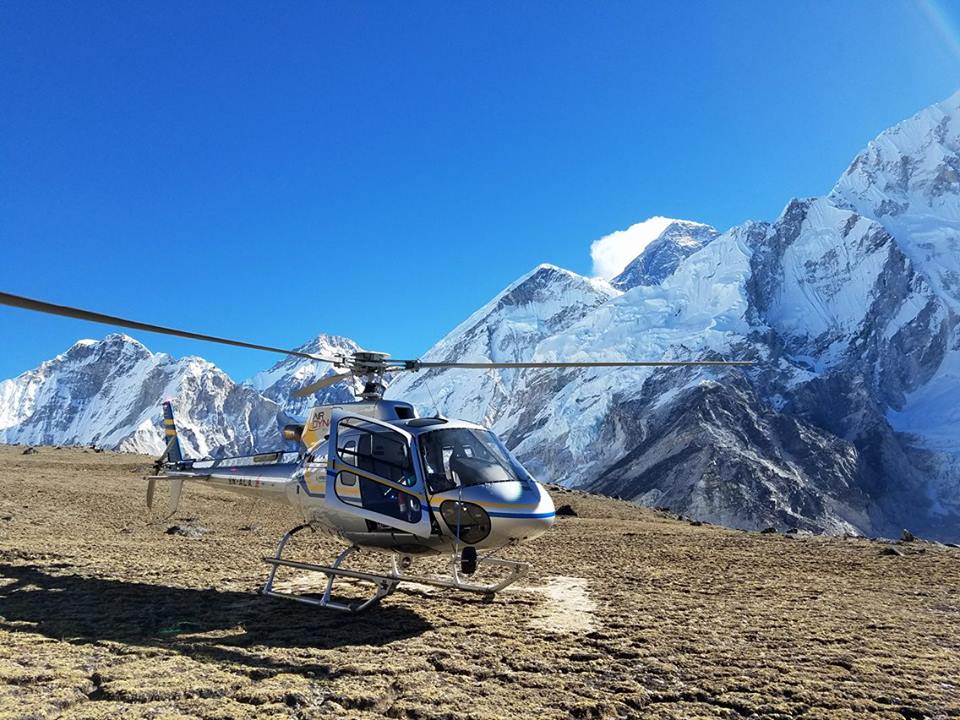
Mountain visibility and wind decide whether aircraft can use Lukla safely. A sunny morning in Kathmandu—or even a clear tower weather observation at Lukla—does not guarantee a flight. A helicopter can sometimes be offered as an alternative, but it also needs suitable conditions and may cost more. We advise keeping a little flexibility before any important international connection. Read our Kathmandu–Lukla flight guide before finalizing tickets.
Teahouses, Toilets and Cold Rooms
We find it helps to explain mountain lodges before guests arrive. Lower villages such as Phakding and Namche have more options, and some rooms can have attached facilities. Above Dingboche, the accommodation becomes simpler. At Lobuche and Gorakshep, shared toilets and unheated bedrooms are normal expectations rather than something going wrong with the booking.
Amigo’s standard inclusions are specific: attached bathrooms and hot showers are listed at Phakding, Namche, Deboche and Lukla, with attached toilets at Dingboche and Pheriche and common facilities at the remaining locations. Single rooms and upgrades are limited at high altitude. We won’t describe every stop as “luxury” when that isn’t what is available on the standard route.
Meals are served in teahouses. Dal bhat, noodles, rice, potatoes, soups, eggs and porridge are familiar choices, with less variety higher up. Our standard package includes breakfast, lunch and dinner on trekking days, plus the specified normal tea/coffee allowance. Treated drinking water is included on most trekking days except at Lobuche and Gorakshep. Additional hot water, snacks, some showers, charging and Wi-Fi may be extra.
What Should a First-Time Trekker Pack—and Leave Behind?
The common packing mistakes are bringing too much everyday clothing and not enough warmth for the upper lodges. You don’t need a different outfit every day. You do need boots you’ve walked in, a waterproof outer layer, insulating clothes, warm gloves and a sleeping bag whose comfort rating suits the season. Keep medication, water and a warm layer in the daypack you carry yourself.
Amigo provides a 70L duffel, with a down jacket and four-season sleeping bag on an included rental basis if required. Confirm sizes and warmth ratings rather than assuming every rented bag will suit a winter departure. The standard Lukla baggage allowance stated in our package is 10kg checked plus 5kg carry-on, subject to the operating airline’s ticket and load restrictions. See our Everest Base Camp packing checklist for quantities and where to keep important items.
Choosing a Month for Your First EBC Trek
For most first-time high-altitude trekkers, we usually begin the conversation with March–May or October–November. Spring brings longer days and the start of Everest’s climbing season; October and November often bring clearer post-monsoon mountain views. Neither season guarantees good weather. Winter can be much colder, while the main monsoon months tend to bring wet lower trails and less reliable visibility.
If you’re balancing weather, school holidays or annual leave, start with our month-by-month Everest weather guide, then read the more detailed April and October guides. We would rather choose dates that fit your full travel schedule than promise one “perfect” week.
Questions to Ask a Trekking Company Before You Book
Whether you book with Amigo or another company, ask for written answers. You should know who is meeting you at the airport, who carries the main duffel, what the meals cover, what your own costs are, and what happens if weather changes the plan. Vague answers are not helpful once you are on the mountain.
- Is the itinerary a genuine 15 days including Kathmandu and flights, or only a count of trekking days?
- Does it include acclimatization in Namche and Dingboche, and can the guide slow the ascent if needed?
- Do Lukla flights use Kathmandu or Ramechhap on my dates, and what transfers and hotels are included?
- Which lodges have attached toilets, hot showers or room upgrades, and which are basic?
- How many guests share a guide or porter? Are their insurance and expenses included?
- What happens financially if the flight is cancelled or an emergency requires an early return?
- What altitude and medical evacuation arrangements must my own insurance cover?
Amigo’s current published guide-to-guest ratio is 1:6 and porter-to-guest ratio 1:2 on the standard trip. The package includes required trekking permits, specified flights and transfers, trekking meals and lodge accommodation. International flights, Nepal visa where applicable, personal trekking insurance and a number of personal expenses are separate. Our Everest Base Camp cost guide explains how the group-size rates and extras work.
Solo Travelers, Older Guests and Families
Travelling without friends doesn’t mean you must travel alone on the mountain. You can ask about an existing departure group or a private guided trek. Solo women can also choose either arrangement. More useful questions than a blanket “Is it safe?” are whether the guide and itinerary suit your preferences, how communication works and what arrangements are in place if you need to slow down or leave the trek early.
Age on its own doesn’t tell us enough. Some older hikers have excellent walking fitness; some much younger travelers struggle with altitude or long descents. Families should also consider the child’s ability, the altitude profile, cold and access to medical assistance. A clinician experienced in high-altitude travel can help with individual medical decisions. If Base Camp is unsuitable, the Everest Panorama Trek lets you enjoy villages and views without sleeping so high.
Frequently Asked Questions From First-Time EBC Trekkers
Can I go to Everest Base Camp without previous trekking experience?
Some people can, if they prepare adequately and choose a gradual itinerary with a guide. You should be comfortable with several hours of walking on successive days and understand the risks of high altitude.
Is it true most EBC trekking days are only three or four hours?
No. Some are shorter, but the standard Amigo itinerary includes a 7–8-hour approach to Namche, a long Base Camp visit, and lengthy return stages. Check the actual walking times rather than broad summaries.
How many days should I book for my first trek?
Amigo’s standard program is 15 days including Kathmandu and flight arrangements. Extra buffer or acclimatization days may be appropriate depending on your health and wider travel schedule.
Is Everest Base Camp the same as the Everest summit?
No. The Nepal-side trekking destination is around 5,364m, while the mountain summit is much higher. Reaching the summit is a separate, technical climbing expedition.
Will I see Everest from Base Camp?
The summit is largely obscured from Base Camp by surrounding terrain. Kala Patthar, if you can make the hike safely and skies are clear, is the better nearby viewpoint.
Do fit people get altitude sickness?
Yes. Fitness helps with the physical work of hiking but does not predict altitude-illness risk. Recognize symptoms early and follow a suitable acclimatization schedule.
Can I get a private bathroom at every stop?
No. Higher villages including Lobuche and Gorakshep offer basic facilities, and the standard Amigo package specifies shared toilets at certain stops.
Will someone carry my luggage?
Amigo’s standard package includes porter support for the main duffel, currently based on one porter for two guests. You carry a personal daypack with essentials.
Is the Lukla flight guaranteed?
No. Safe flying depends on actual aviation conditions. The departure airport may be Kathmandu or Ramechhap, and weather delays can affect the itinerary.
Do I need my own trekking insurance?
Yes. Arrange insurance that covers trekking at your planned maximum elevation, medical treatment and emergency evacuation, and understand separate travel-delay and cancellation terms.
Should I choose April or October?
Both are popular months. April offers spring conditions and expedition-season activity, while October often brings clear post-monsoon views. Compare your weather tolerance, crowds and dates.
Is a shorter EBC itinerary easier for beginners?
Not necessarily. Shortening the route by removing acclimatization nights can make the altitude risk worse. A lower-altitude Everest Panorama itinerary may be a better way to reduce difficulty.
Our Advice to a First-Time Everest Trekker
Before you book, choose a route you have time to prepare for, ask clear questions about what is included and make sure you can accept some uncertainty around mountain flights. Once you are walking, you don’t have to compete with anyone else’s pace. Tell your guide how you are feeling, make use of the acclimatization stops and look up from the trail now and again—some of the nicest moments are not at Base Camp.
If you would like to compare the full itinerary and available departures, start with Amigo’s 15-day Everest Base Camp trek. Our separate full Everest Base Camp guide goes into the route itself in more detail. Tell our Kathmandu team your experience, dates and any accommodation requirements so we can advise whether the standard trek is the right fit.