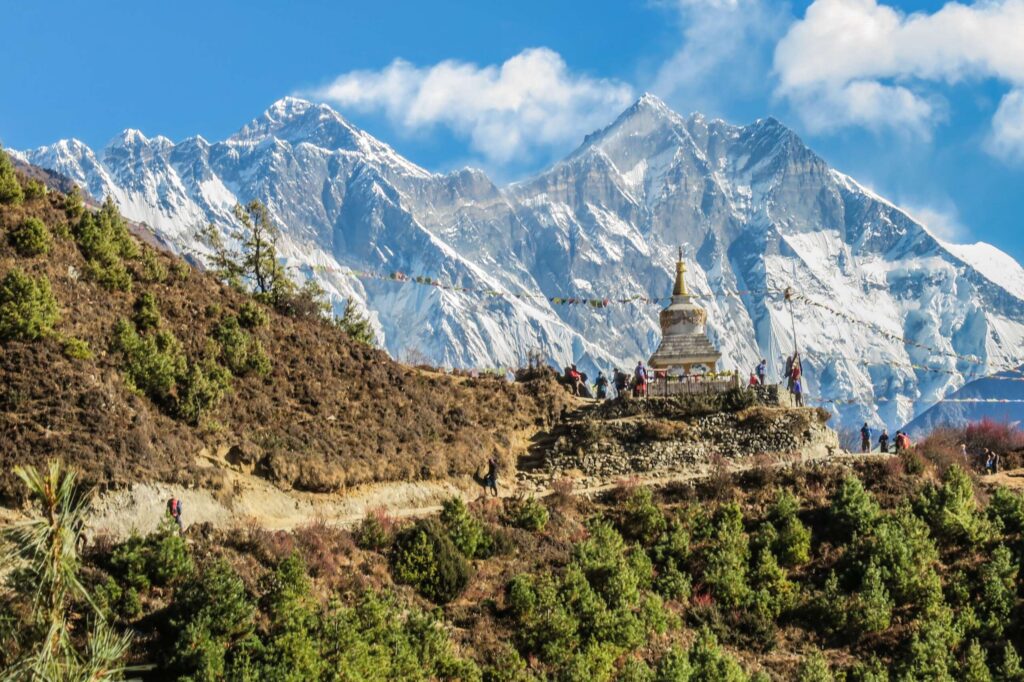
Quick answer: The best general weather windows for the Everest Base Camp trek are March–May and October–November. October and November often bring clear post-monsoon views; spring brings longer daylight and somewhat milder conditions at lower villages. Winter (December–February) is colder, and June–September brings monsoon clouds and wet trails. Whatever the month, the upper Khumbu and Everest Base Camp remain cold and weather can change quickly.
Everest Base Camp weather is not one temperature. Trekkers fly into Lukla (about 2,840m), stay in villages such as Namche Bazaar (3,440m) and Dingboche (4,410m), then reach Gorakshep (around 5,164m) and Everest Base Camp (about 5,364m). Conditions at each place may be very different on the same day. This guide compares the full route, rather than using a warm Lukla daytime figure as if it described Base Camp.
This is a seasonal planning guide updated 9 October 2026, not a live weather forecast. Before your trip, consult Nepal’s Department of Hydrology and Meteorology, your operating airline and your local trekking guide. For the actual route and acclimatization days, see Amigo’s 15-day Everest Base Camp trek itinerary.
Everest Base Camp Weather at a Glance
| Period | Typical pattern on the trek | Planning advice |
|---|---|---|
| March–May (spring) | Cool to relatively mild walking at lower elevations; upper villages remain cold. Some afternoon cloud and changeable weather. | A popular season. Bring insulation, rain/wind protection and sun protection. |
| June–September (monsoon period) | Wet lower trails, cloud, reduced views and greater potential for flight disruption; high elevations can still be cold. | Expect slippery paths, waterproof packing and flexible logistics. |
| October–November (post-monsoon autumn) | Often clearer mountain views and relatively dry conditions. Overnight cold intensifies in November. | Excellent general choice for visibility; carry warm nighttime layers. |
| December–February (winter) | Cold nights, dry periods, possible snow and ice, and greater exposure to wind. | For well-prepared travelers with appropriate cold-weather gear and route flexibility. |
Seasonal trends never guarantee blue skies. A storm can affect any month, while some winter days are remarkably clear. The Nepal Tourism Board’s climate guide identifies spring and autumn as the favored trekking seasons and describes the country’s monsoon as primarily June–September.

Everest Base Camp Weather Month by Month
Use the table to compare months by visibility, likely trail conditions and comfort rather than relying on an unverified monthly “average high” at Base Camp. Month boundaries are approximate, and actual conditions can differ sharply from a typical season.
| Month | Likely trekking conditions | What to plan for |
|---|---|---|
| January | Deep winter cold at high altitude; clear spells are possible, with icy or snowy sections. | Warmer sleeping system, insulated gloves, winter traction if advised and flexible plans. |
| February | Still winter conditions, with increasing daylight toward the end of the month. | Prepare for freezing mornings and potential snow or ice. |
| March | Early spring transition: clearer intervals, variable wind and cold higher up. | Layers for big day–night differences and a reliable outer shell. |
| April | Popular spring trekking; milder lower-route afternoons, but cold near Base Camp. | Light walking layers plus down insulation and sun protection. |
| May | Later spring, often with more cloud developing as the monsoon approaches. | Waterproof layers, flexibility for visibility and showers. |
| June | Start or progression of monsoon conditions; increasingly wet lower trails. | Rain gear, dry bags and flight contingency time. |
| July | Usually within the wettest period; muddy approaches and frequent cloud. | Waterproof packing, grippy footwear and realistic view expectations. |
| August | Monsoon patterns commonly continue; wet trails and uncertain mountain views. | Quick-dry clothing and flexibility for transport disruption. |
| September | Transition toward autumn; early September can still be rainy and cloudy. | Do not assume the monsoon ends on 1 September; plan for mixed conditions. |
| October | Often good post-monsoon visibility and one of the busiest trekking periods. | Book early; expect chilly mornings as altitude rises. |
| November | Generally drier and clearer, with noticeably colder higher-elevation nights. | Bring substantial insulation for Gorakshep and Kala Patthar. |
| December | Winter sets in; cold, shorter days and a possibility of snow or ice. | Insulated gloves, suitable sleeping bag and guide-advised traction. |
Amigo currently has more detailed guides for January, February, March, April, May, October and November, linked above. Those dedicated articles should answer month-specific packing and route questions; this page is the broad, year-round climate comparison.
How Cold Is Everest Base Camp? What the Weather Data Actually Show
Everest Base Camp is at approximately 5,364m, but a nearby scientific automatic weather station is located at 5,315m. That distinction matters: a weather observation from the station is evidence about nearby conditions, not an exact thermometer reading at every camp, trail bend or overnight lodge.
A peer-reviewed study published on 1 October 2026 reports quality-controlled weather observations from multiple Everest-region stations. For December 2019–November 2022, the mean annual air temperature at the 5,315m Base Camp-area station was approximately −3.1°C. Researchers found that about 77% of the annual precipitation recorded there fell during the June–September monsoon period. The same study reports a mean temperature decline of about 4.8°C per 1,000m between Phortse (3,810m) and the nearby Base Camp station, although this varies by season and terrain.
How to interpret these numbers: −3.1°C is a mean across a limited three-year observation period, not the temperature every daytime trekker should expect, and not a weather forecast for 2026 or 2027. Some days are warmer and nights much colder. Short records cannot capture the full range of long-term climate variability. Avoid articles that label estimates from Lukla or Namche as measured “Everest Base Camp daytime temperatures.”
How Weather Changes Between Lukla, Namche, Dingboche and Gorakshep
| Location | Approximate elevation | Weather and comfort considerations |
|---|---|---|
| Lukla | 2,840m | Lower, relatively milder trail start; visibility and clouds strongly affect flights. |
| Phakding | 2,610m | River-valley trail can be rainy or humid in monsoon and cool in the evening. |
| Namche Bazaar | 3,440m | Mornings and evenings become colder; exposed walks need wind protection. |
| Deboche | 3,820m | Forest-to-higher-valley transition with cooler lodge evenings. |
| Dingboche | 4,410m | More exposed, colder and often windier; insulation becomes increasingly important. |
| Lobuche | 4,910m | High-altitude cold, dry air and rugged approach. |
| Gorakshep | 5,164m | One of the coldest overnight stops on the standard route; plan for freezing conditions. |
| Everest Base Camp | 5,364m | Usually visited during the day; weather can be windy and changeable on rocky glacier terrain. |
| Kala Patthar | ~5,550m | Commonly attempted early for views; prepare for low temperatures and strong wind. |
These elevations follow the published standard route and common geographical references, with rounding between sources. Weather intensity is also influenced by local shade, cloud, wind and exposure. A sunny walk into Namche can feel warm, but a windy stop near Base Camp can feel much colder than the air-temperature reading suggests.
Spring Weather: March, April and May
Spring is a popular time to trek because days become longer and lower elevations generally warm after winter. March is a transitional month; April is commonly favored for walking; and May can bring increasing afternoon cloud as the wet season approaches. Higher lodges remain cold throughout spring, especially before dawn.
- Wear a breathable base layer while walking and keep a fleece accessible for stops.
- Carry a warm insulated jacket even if lower-elevation afternoons feel comfortable.
- Expect strong mountain sun and protect your skin and eyes.
- Pack waterproof outerwear; spring is not a guarantee against snow or rain.
- Reserve some schedule flexibility for air travel to and from Lukla.
Autumn Weather: September, October and November
As the monsoon retreats, visibility often improves. October and November are particularly attractive for clear mountain views, while September remains a transition month and may be wet early on. Nights progressively cool through autumn, so a November packing list needs more insulation than one for a mild day in October.
Autumn is also popular, so busy flights and lodges can create logistical pressure. The clearest weather window does not necessarily mean the quietest or least expensive trip.
Winter Weather: December, January and February
Winter trekking can offer quiet paths and crisp views, but it raises the consequences of inadequate clothing, unsuitable sleeping gear and exposure. Snow and ice may affect particular trail sections, while cold starts can be demanding near Gorakshep and Kala Patthar. Some services may be reduced compared with the busier seasons.
Ask your trekking operator to review the specific route, accommodation availability, sleeping bag comfort rating, weather forecasts and any need for microspikes. Winter is not automatically impossible, but it is less forgiving of poor preparation. For details, compare our January and February trekking guides.
Monsoon Weather: June, July, August and September
During the monsoon, the lower Everest approach is often wet, clouds may obscure mountain views, and slippery trails can make progress slower. Higher parts of the route remain cold despite the season. The 2026 Everest weather-station study found that June–September accounted for most of the observed annual precipitation near Base Camp during its measurement period.
A monsoon departure requires quick-dry clothing, waterproof bag liners, extra care on muddy steps and more flexibility around flights. September is not uniformly rainy; it often improves as the season advances, but the change does not follow a fixed calendar date.
How Does Everest Weather Affect Lukla Flights?
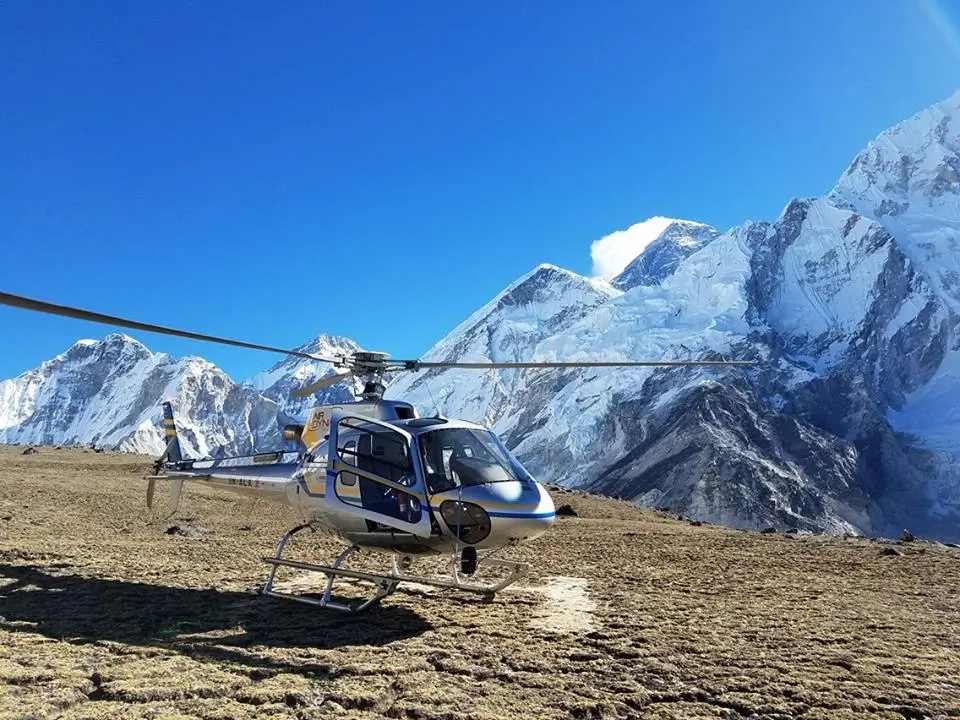
Lukla flights depend heavily on safe visibility, cloud base, wind, operational constraints and the crew’s decisions. A forecast of sunshine in Kathmandu does not guarantee that the Lukla flight can operate. In busy trekking seasons, flights may be routed through Manthali/Ramechhap rather than Kathmandu, adding a road transfer.
- Allow contingency time before international connections, where your schedule permits.
- Confirm the departure airport, flight operator and transfer plan for your specific travel dates.
- Do not assume a helicopter can fly in weather that prevents a fixed-wing aircraft from operating; both are subject to their own safety limits.
- Check the itinerary’s cancellation and extra-night policy, and verify travel-insurance coverage for weather disruption.
- Follow local aviation and trekking-team instructions instead of treating a general weather app as an aviation clearance.
For detailed route logistics, see our Kathmandu to Lukla flight guide.
What Should You Pack for Everest Base Camp Weather?
Pack for both the sunny lower trail and freezing upper mountain conditions. Your choices should change with departure month, but the essential layering system remains similar:
- Base layers: moisture-wicking trekking shirts and warm thermals.
- Mid-layer: a fleece or similar active insulation for variable effort.
- Insulated jacket: down or synthetic warmth for mornings, evenings and high stops.
- Outer shell: windproof, waterproof jacket and rain trousers.
- Hands, head and feet: sun hat, warm beanie, gloves, dry socks and broken-in hiking boots.
- Sleeping system: a properly rated sleeping bag suited to expected lodge conditions and the coldest night stops.
- Daypack: a readily accessible rain layer, gloves, warm jacket, water, headlamp and emergency essentials.
Use our Everest Base Camp packing list for quantities, equipment rentals and a daypack checklist. Amigo’s standard 15-day package includes rental down jacket and sleeping bag when required; confirm suitability for your departure.
Does Good Weather Make High-Altitude Trekking Safe?
No. Clear skies can make walking and visibility more pleasant, but they do not prevent acute mountain sickness. Above 3,000m, sleeping altitude, individual susceptibility and ascent pace remain important. Amigo’s standard itinerary includes acclimatization days in Namche Bazaar and Dingboche before reaching the higher valleys.
Tell your guide promptly about headache with other symptoms, unusual nausea or fatigue. Worsening altitude illness requires medical assessment; severe symptoms can demand urgent descent. Read the EBC trek difficulty guide and ensure your travel insurance covers high-altitude activities and emergency evacuation.
Where Can You Check a Forecast Before or During the Trek?
- Nepal’s Department of Hydrology and Meteorology (DHM) provides official weather bulletins, aviation and mountaineering forecasting resources.
- Use location-specific forecasts for Lukla, Namche, Dingboche and higher sections where available, rather than one generic “Everest” forecast.
- Treat long-range seasonal forecasts as broad guidance, not a guarantee for a specific day.
- Follow your licensed guide’s assessment of local trail, snowfall and route conditions.
Everest Base Camp Weather FAQs
What is the best month for Everest Base Camp weather?
October and November often have clear post-monsoon mountain views, while April is a popular spring choice. The best month also depends on cold tolerance, trail crowds and travel dates; weather is never guaranteed.
How cold is it at Everest Base Camp?
It is cold throughout the year at around 5,364m. A nearby 5,315m scientific station recorded a mean annual air temperature of about −3.1°C during 2019–2022; that is an average over the study period, not the expected temperature on any particular trekking day.
Does it snow at Everest Base Camp?
Yes. Snow can occur at high elevation, particularly in colder periods, but timing, depth and persistence vary. Check actual conditions before your departure.
Is Everest Base Camp cold in April?
Yes, especially at higher villages, overnight and on early-morning hikes. April’s relatively milder weather at lower elevations does not remove the need for insulated clothing.
Is October better than April for trekking?
October is commonly preferred for post-monsoon clarity, while April offers longer spring days and relatively milder lower-route temperatures. Both can be excellent, with different trade-offs.
What is Everest Base Camp weather like in November?
November is often drier with good mountain visibility but increasingly cold high-elevation nights. Warm thermals, a substantial jacket and an adequate sleeping bag are important.
Can I do Everest Base Camp in December or January?
Possible for suitably prepared trekkers, but deep cold, shorter days and snow or ice can increase difficulty. Confirm lodge availability and conditions with a local operator.
Is the Everest Base Camp trek possible in July or August?
It is possible in some circumstances, but rain, cloud, muddy lower trails and flight disruptions make the monsoon less attractive for most trekkers. Views may be limited.
Does it rain in September on the Everest route?
Often, especially early in the month. Conditions usually move toward autumn as the monsoon withdraws, but there is no fixed date when rain stops.
Does weather affect flights to Lukla?
Yes. Cloud, visibility and wind can delay or cancel departures. The operator and pilot decide when flying conditions are safe; a helicopter is not a guaranteed alternative.
Do trekkers camp overnight at Everest Base Camp?
On the standard teahouse route, trekkers normally visit Base Camp during the day and sleep at Gorakshep. Dedicated climbing expeditions have different arrangements.
Will I see Mount Everest if the weather is clear at Base Camp?
The summit is mostly obscured from the Base Camp approach. Kala Patthar is a nearby viewpoint that generally provides better summit views when skies are clear.
What clothes should I take for EBC weather?
Layered quick-dry clothing, thermals, an insulating down/synthetic jacket, waterproof outerwear, gloves, hats, good boots and an appropriate sleeping bag. Adjust the warmth rating for the season.
Where can I see reliable Everest weather forecasts?
Check Nepal’s Department of Hydrology and Meteorology, relevant aviation information and your trekking guide’s local conditions report. Historical climate averages are not a substitute for a near-term forecast.
Choose Your Everest Trekking Season
If you value post-monsoon mountain panoramas, October or November may be the best fit. If you prefer spring conditions, consider March through May. If traveling in winter or monsoon, discuss the greater weather and logistics variability with your operator before committing. Compare Amigo’s standard Everest Base Camp trek, the EBC trek cost guide and the month-specific guides above to plan a departure that matches your priorities.
Weather data and research: Nepal Tourism Board, Climate of Nepal; Khadka and co-authors (2026), Weather station data from the Mount Everest region, Nepal: 3810–8810 m above sea level, Earth System Science Data. Research figures describe a limited observation period and should not be treated as an individual trek forecast.