Updated for 2026/27: This article originally described Everest-region tourism after the 2015 Nepal earthquake. We have preserved its photo gallery and historical context, but updated the current safety, transport and medical advice. Old recovery figures are not proof of conditions on a future departure.
Is the Everest Base Camp Trek Safe Today?
Quick answer: It can be an achievable non-technical trek for appropriately prepared travelers, but it is physically demanding and reaches Everest Base Camp near 5,364m, with an optional Kala Patthar viewpoint at approximately 5,550m. No operator can guarantee success, safety, or protection from altitude illness. The CDC Yellow Book 2026 recommends gradual sleeping-altitude gain and prompt action when symptoms occur; even very fit trekkers may develop altitude illness.
The Everest trek remains a remarkable journey, but travel decisions deserve practical safety guidance rather than a guarantee.
The Everest Base Camp trek is one of Nepal’s best-known mountain journeys. The classic route passes through Sherpa settlements and Sagarmatha National Park before reaching Base Camp near 5,364m. It is non-technical under normal conditions, but high altitude, uneven paths, mountain weather and limited medical access all make preparation important.
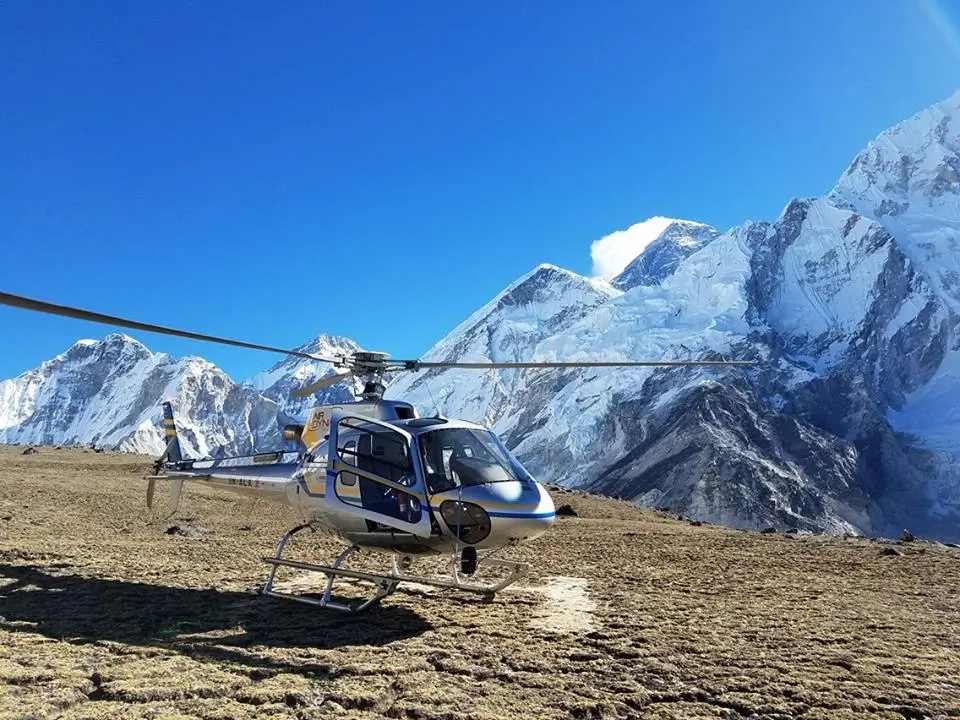
Why this article was originally written: Nepal’s April 2015 earthquake raised serious questions about trails, lodges and recovery. A Nepal Tourism Board-supported 2015 assessment reported limited damage on most of the main Everest route but identified localized hazards and recommended repairs. That report was valuable then, but it is not a live certification of trails or buildings in 2026/27. The photographs below also document that historical recovery period.


The classic Everest trekking route is now an established teahouse route. But is Everest trekking safe? For a prepared traveler, a sensible itinerary and experienced guide can help manage risks; no trekking agency can promise that weather, trails, health or flight arrangements will remain trouble-free on every departure.
Earthquake recovery should not be confused with a permanent all-clear. Rockfall, landslides, snowfall, rain, icy steps, damaged bridges or trail maintenance can disrupt the route. Before departure and during the journey, local guides should check current conditions and be prepared to adjust stages or turn back.
Accommodation and buildings: The original article quoted an old percentage of hotels described as safe after the earthquake. That figure is not a current structural inspection and should not be used today. The usual Khumbu villages have established lodges, but heating, sanitation, maintenance and availability vary, especially at higher stops such as Lobuche and Gorakshep. Confirm lodging arrangements and do not assume individual buildings have an up-to-date engineering certification.
Transport and access: Most classic EBC itineraries start with a Lukla flight. There are also road-assisted approaches through Solu when the route and roadhead are usable, but these require additional time and walking. Flying conditions, roadworks and seasonal weather can disrupt access.
Lukla flight planning: During applicable busy-season operations, Amigo’s published 15-day Everest Base Camp itinerary includes a road transfer to Ramechhap and a flight from Manthali to Lukla. Other dates may have different airport arrangements. Verify your ticket and allow flight-delay buffers before international connections. A helicopter is not a guaranteed alternative when bad weather prevents fixed-wing flights. Air travel and accommodation cannot be guaranteed risk-free.
Responsible local tourism: Trekking supports Sherpa communities, guides, porters, lodge owners, cooks, shopkeepers and transport businesses. The economic recovery message that motivated the original 2015 article remains part of its history, but guests should now choose transparent services, respect protected-area rules and follow local environmental guidance.
A licensed guide can assist with route choices, pacing, local communication, logistics and coordinating assistance if an emergency occurs. An operator should also explain staff insurance, porter welfare, communication arrangements and what happens when a trek must be changed. A guide’s presence reduces some risks but cannot eliminate them.
To contribute positively, choose locally led initiatives and responsible operators rather than assuming visitors can safely join reconstruction work without arrangements. Above all, prioritize a well-paced and ethical journey. Read Amigo’s detailed trekking difficulty guide and insurance checklist before traveling.
Safety Checklist for Everest Trekkers
- Allow time to acclimatize. Amigo’s standard 15-day route includes Namche Bazaar and Dingboche acclimatization days. Base Camp is scheduled on Day 10, and Kala Patthar on Day 11.
- Report altitude symptoms immediately. Do not sleep higher while suspected altitude illness is present. Worsening symptoms, confusion, poor coordination or breathlessness at rest require urgent medical assessment and descent.
- Check the latest trail and flight conditions. Confirm Kathmandu or Manthali/Ramechhap departure, current local trail access, and the operator’s plan for delays or closures.
- Carry the right insurance. Verify the maximum permitted trekking altitude, emergency medical treatment, evacuation coverage, authorization requirements and any exclusions. Insurance does not make a rescue aircraft available in unsafe weather.
- Choose suitable guide support. Ask about licensed guides, relevant permits, porter support, communication, contingency days and evacuation coordination.
Useful sources: Nepal Tourism Board’s 2015 earthquake recovery assessment (historical), Nepal Tourism Board’s Everest Base Camp overview, Amigo’s seasonal weather guide and Lukla flight logistics guide. These resources support planning but do not confirm real-time conditions.