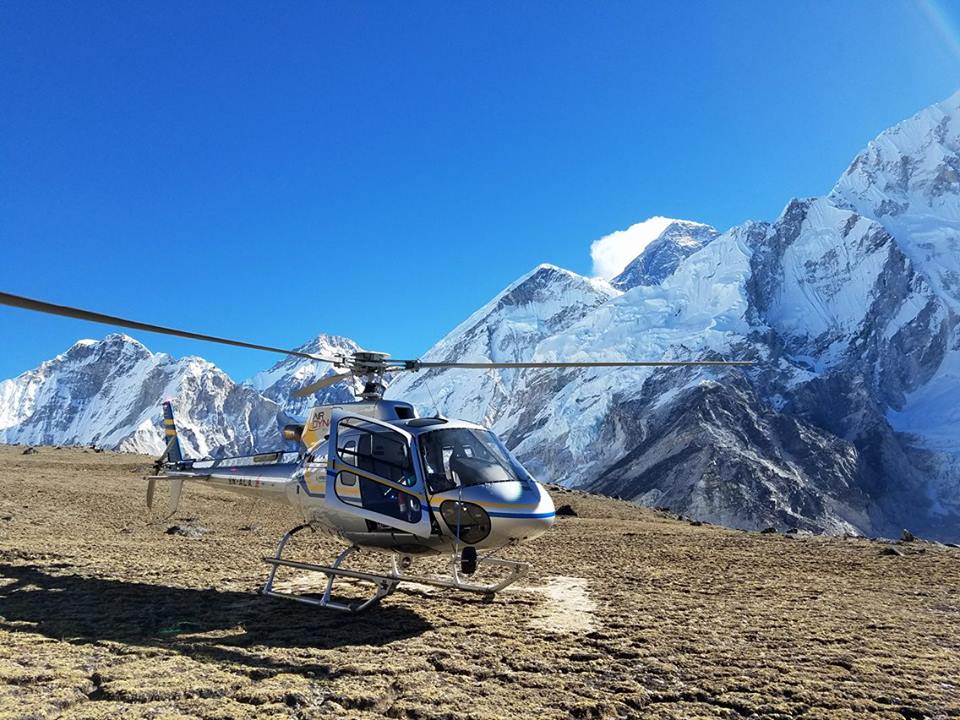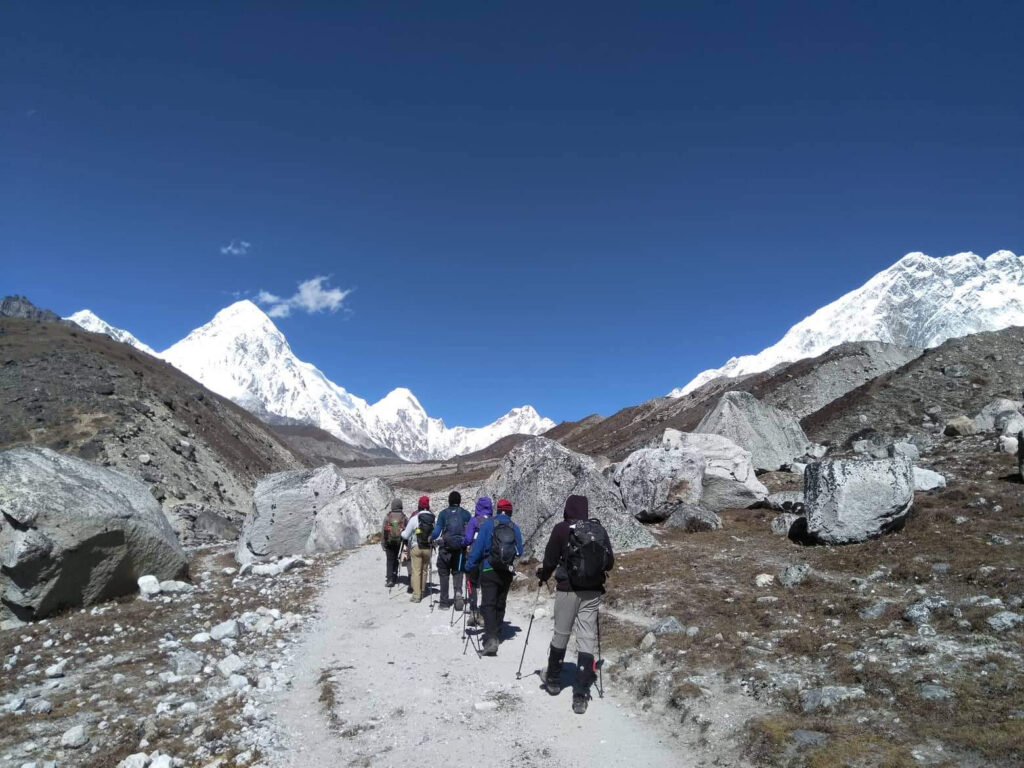
There are a few things we’d like every Everest Base Camp trekker to know before arriving in Kathmandu. The first is that this is a long mountain walk, not a climb that requires ropes. The second is that the altitude deserves more attention than the number of kilometres. And the third is that the flight to Lukla, the lodge arrangements and even the walking schedule may need to change with the weather.
This guide brings together the practical questions we hear at the Amigo office: which permits you need, what the lodges are actually like, how much luggage you can bring, why we include acclimatization days and what happens when your flight is delayed. It is based on our currently published 15-day Everest Base Camp itinerary, rather than a generic route with different overnight stops.
Quick answer: Our standard trip takes 15 days from arrival in Kathmandu to departure, including acclimatization in Namche and Dingboche, a visit to Everest Base Camp (5,364m) on Day 10 and an optional Kala Patthar viewpoint hike (about 5,550m) on Day 11. Prepare for several days of 5–8 hours’ walking, cold nights above 4,000m, possible Lukla flight disruption, and a travel insurance policy that explicitly covers high-altitude trekking and medical evacuation.
Everest Base Camp Trek: Essential Facts Before You Book
| Question | Amigo’s standard 15-day trek |
|---|---|
| Main destination | Everest Base Camp, Nepal-side Khumbu region (about 5,364m) |
| Highest viewpoint | Kala Patthar, approximately 5,550m (weather and health permitting) |
| Walking style | Teahouse trek; no technical climbing on the standard route under normal conditions |
| Starting point | Flight to Lukla, then walk to Phakding |
| Acclimatization | Additional nights in Namche Bazaar and Dingboche |
| Typical walking | Around 4–8 hours on most walking days; long return stages |
| Where you’ll sleep | Kathmandu hotel, Ramechhap stop when scheduled, and village lodges during the trek |
| Meals on the trek | Breakfast, lunch and dinner are included in Amigo’s standard package |
| Airport uncertainty | Direct Kathmandu or peak-season Ramechhap/Manthali flights as confirmed |
| Good trekking seasons | Typically spring (March–May) and autumn (October–November) |
Our Actual 15-Day Everest Base Camp Itinerary
The route matters when you’re comparing packages. A trip that removes an acclimatization day or omits the Ramechhap transfer isn’t identical just because both advertisements say “Everest Base Camp”. Here is the sequence in our current standard program. Walking times are estimates; your guide may adjust the plan for weather, symptoms or route conditions.
| Day | Route and overnight plan | Altitude or planning note |
|---|---|---|
| 1 | Arrival in Kathmandu | Hotel and arrival arrangements |
| 2 | Briefing and drive to Ramechhap when peak-season routing applies | Private vehicle; roughly 4–5 hours under normal road conditions |
| 3 | Fly to Lukla, trek to Phakding | Phakding 2,610m; around 8km |
| 4 | Phakding to Namche Bazaar | Namche 3,440m; around 7–8 hours |
| 5 | Acclimatization in Namche | Second night at Namche |
| 6 | Namche to Deboche | Deboche about 3,820m |
| 7 | Deboche to Dingboche | Dingboche 4,410m |
| 8 | Acclimatization in Dingboche | Second night at Dingboche |
| 9 | Dingboche to Lobuche | Lobuche about 4,910m |
| 10 | Lobuche → Gorakshep → Everest Base Camp → Gorakshep | Visit EBC 5,364m; sleep at Gorakshep about 5,164m |
| 11 | Kala Patthar, descend to Pheriche | Viewpoint about 5,550m, then sleep lower |
| 12–13 | Return to Namche, then Lukla | Two long walking stages; approximately 18km each in the published itinerary |
| 14 | Fly from Lukla; return to Kathmandu, via Ramechhap if applicable | Flights depend on safe weather and actual routing |
| 15 | Depart Kathmandu | International departure arrangements |
The published 15 days do not provide an unlimited weather buffer. If you have a fixed international connection, ask about adding extra time in Kathmandu at the end. And if you have struggled with altitude before, ask whether a slower itinerary is sensible for you before committing to a departure.
Fitness, Acclimatization and Altitude Sickness
You don’t have to be a mountaineer to do the classic EBC trail. You do need the endurance to walk uphill and downhill for several days in succession. We recommend practising long walks, hills, stairs and uneven terrain before travel, and getting used to the boots and daypack you’ll bring to Nepal. Our Everest Base Camp training guide explains how to build up over 8–12 weeks if you are already reasonably active.
At altitude, physical fitness is helpful for walking but does not protect you from acute mountain sickness. The CDC’s high-altitude travel guidance recommends gradual gains in sleeping elevation above 3,000m—generally no more than about 500m per night, with additional acclimatization nights. Even standard Everest itineraries can be too quick for some travelers. This is why Namche and Dingboche days are important and why extra days may be appropriate.
- Tell your guide immediately if you develop a headache with nausea, dizziness, appetite loss or unusual fatigue after going higher.
- Do not keep ascending to sleep higher with suspected altitude illness. Worsening symptoms can make descent and medical care urgently necessary.
- Confusion, difficulty walking steadily or breathlessness at rest are emergency warning signs; prompt assistance and descent are crucial.
- Do not use alcohol, forced water intake or a portable oxygen can as a replacement for acclimatization.
- Speak to a travel-medicine clinician before departure about your health, previous altitude experiences and any prescription medication.
The difficulty guide covers the most demanding walking days in more detail. Be open with the Amigo office about relevant mobility or medical concerns so we can discuss whether the standard pace suits you.
Lukla Flights: Kathmandu, Ramechhap and the Weather
One of the most common misunderstandings is that every Everest Base Camp trek begins with a direct Kathmandu–Lukla flight. In the busiest spring and autumn periods, many scheduled flights operate from Manthali Airport in Ramechhap. Amigo’s standard 15-day trip includes a private road transfer and overnight accommodation there when that routing applies. The operating airport can change, so it must be confirmed for your departure rather than assumed from the month alone.
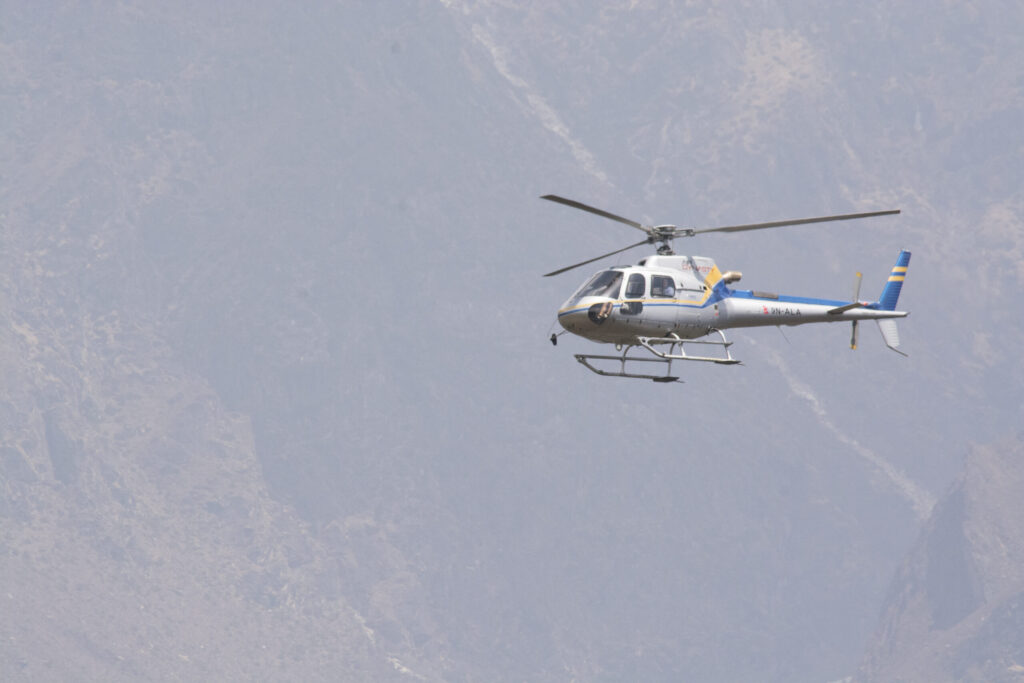
Mountain visibility, cloud, wind and safe approaches influence whether a flight can operate. We cannot guarantee that an aircraft will fly on a particular morning or arrange a helicopter in conditions that are not safe for helicopter flight. If flights are delayed, options may include waiting, shifting the walking schedule, or considering another mode of transport where it is safe and practical. Additional accommodation, transport or helicopter fees may be payable depending on the circumstances. See our Kathmandu to Lukla flight guide for details.
How to Read a Lukla Tower Weather Observation
Airport staff and trekking operators may receive short Lukla (VNLK) tower observations giving a timestamp, wind, visibility and sky conditions. For example, a report written as VNLK TWR OBS 0050Z NE/03KTS 10KM SKC VFR indicates a report time of 00:50 UTC (06:35 Nepal time), northeast wind at 3 knots, reported visibility of 10km, and clear-sky/VFR notation. This is an illustrative observation, not a live reading or a forecast.
One clear tower observation does not confirm that an airline has departed, that the route is clear throughout, or that the airport will remain suitable for the next few hours. VFR refers to visual-flight operating conditions; the pilot and relevant aviation authorities still make the go/no-go decision. Nepal’s Civil Aviation Authority issued a June 2026 monsoon safety circular emphasizing departure, en-route and destination weather, visibility, wind and changing mountain conditions for aircraft and helicopters. We do not calculate cancellation percentages from weather messages alone: that requires matched scheduled and actual flight-operation records.
Everest Base Camp Permits and Guide Arrangements
For a standard trek through the Khumbu, check the Sagarmatha National Park entry fee and the Khumbu Pasang Lhamu local Trek Card requirements. The National Park’s published fee is currently NPR 3,000 for most foreign visitors, NPR 1,500 for SAARC visitors and NPR 100 for Nepali visitors. The local municipality publishes NPR 3,000 for other foreign citizens and NPR 2,000 for SAARC and Chinese citizens for its Trek Card. These are separate charges and are subject to updates.
The Nepal Tourism Board also publishes broader TIMS and guide guidance for multiple Nepal trekking regions, including Everest routes. National and local descriptions of the exact EBC paperwork have not always been identical. We recommend having your operator reconfirm the requirements applicable to your passport, route and date instead of buying an extra permit based on an old blog. Amigo’s standard EBC package includes all required trekking permits and a government-licensed English-speaking guide. Official references: Sagarmatha National Park, Khumbu municipality and Nepal Tourism Board TIMS guidance.
Nepal Tourist Visa: What You Need to Check in 2026/27
The old version of this article incorrectly suggested that everyone from a SAARC country or China can simply enter Nepal without a visa. That is not a safe general rule. Indian citizens have separate visa-free entry arrangements; many other eligible travelers use a visa on arrival or the appropriate visa procedure for their nationality. Some nationalities require prior arrangements. Always check the latest Nepal Department of Immigration guidance before travel.
| Tourist visa validity | Published standard fee |
|---|---|
| 15 days, multiple entry | US$30 |
| 30 days, multiple entry | US$50 |
| 90 days, multiple entry | US$125 |
The Department of Immigration also lists gratis visa eligibility for particular travelers, including certain SAARC visits, qualifying Chinese nationals and some children. These are nationality- and condition-specific exemptions, not a blanket no-visa rule for all SAARC citizens. If your entire Nepal holiday is already 15 days before adding flight delays or sightseeing, the 30-day validity may be worth considering. Your passport and entry eligibility should be verified before departure.
Accommodation: What You’ll Actually Find on the Trail
The current Amigo standard trip includes two nights in a three-star-standard hotel in Kathmandu on a twin-sharing, bed-and-breakfast basis, plus a Ramechhap hotel when that transfer is scheduled. Along the trek we use local lodges and teahouses, with arrangements varying by altitude and availability. It is not accurate to promise the same bathroom and heating standard in Gorakshep as in Namche.
The published package specifies attached bathrooms and hot showers at Phakding, Namche, Deboche and Lukla, and attached toilets only at Dingboche and Pheriche. Common toilets are used at the remaining locations. Upgrades and single-room requests are subject to space and supplements; at Lobuche and Gorakshep single-room arrangements may not be possible. In some high lodges the dining room is heated but bedrooms are not.
That is why we advise bringing an appropriate sleeping bag even on a spring departure. Electricity, Wi-Fi, shower services and hot drinking water may carry separate costs or be unavailable on a particular evening. Ask about the exact accommodation standard if this is an important part of your trip.
Food, Tea and Drinking Water on the EBC Trek
You don’t need to live on energy bars for two weeks. Teahouses normally serve familiar trekking meals such as porridge, pancakes or eggs for breakfast, and rice dishes, noodles, soups, potatoes and dal bhat for lunch or dinner. The selection is generally wider in lower villages and simpler as you go higher. The meals on Amigo’s standard trip are breakfast, lunch and dinner during trekking days, ordered from the available lodge menu.
Our published inclusions also list three cups of normal tea or coffee a day, seasonal fruit with dinner, and treated drinking water during the trek except at Lobuche and Gorakshep. Bottled water or additional hot and cold drinks, alcohol, snacks and extras may be charged separately. If you have allergies, vegetarian requirements or special dietary needs, tell the team before departure so the guides can discuss realistic lodge options.
Hydration matters, but we do not advise forcing a fixed number of litres every hour to prevent altitude sickness. Drinking more water cannot replace acclimatization, and excessive drinking also carries health risks. Drink according to your needs and exertion, and use safely treated water.
Packing, Porter Support and Lukla Flight Baggage
Amigo supplies a 70L duffel for the main porter bag and includes a down jacket and four-season sleeping bag on a rental basis if required. The actual sleeping-bag comfort rating should suit the coldest conditions expected on your departure. Your personal daypack should hold the layers and other items you may need during the day’s walk, since the porter may reach the next lodge separately.
- Broken-in hiking boots, dry trekking socks, comfortable trousers and moisture-wicking layers.
- Warm fleece, thermal clothing, insulated jacket, waterproof outerwear, gloves and head covering.
- Sleeping bag suitable for high-altitude lodges; confirm rental warmth rating if using Amigo equipment.
- Sunglasses, sunscreen, lip balm, headlamp and trekking poles.
- Daypack, bottles or hydration containers, small personal first-aid items and regular medication.
- Travel documents, phone or camera, charging options and a waterproof bag liner.
The current package lists 10kg checked baggage plus 5kg carry-on for the included Lukla sectors, with excess luggage at extra cost if accepted. These limits must still be verified against the operating airline’s ticket and weight restrictions. Our Everest Base Camp packing list covers suitable quantities and practical ways to keep your bag light.
Trekking Insurance and Emergency Evacuation
Amigo requires travelers on the standard EBC trip to arrange their own travel insurance covering medical treatment and emergency helicopter evacuation above 5,000m. Because Kala Patthar reaches around 5,550m on our route, we recommend asking an insurer whether the policy explicitly covers trekking up to at least 6,000m, along with any exclusions related to altitude or trekking activities. A policy labelled “adventure travel” may still exclude the level you plan to reach.
Insurance for rescue is not automatically insurance for all weather delays. Read the policy’s medical evacuation, travel delay, trip interruption and missed connection sections separately. Confirm whether an emergency assistance team must approve helicopter transport before it is arranged. Our EBC insurance guide covers the questions to ask before paying.
Our guides carry a basic first-aid kit and pulse oximeter and can help organize a response to illness or injury, but neither replaces medical evaluation. Helicopter evacuation can be delayed by weather and must be coordinated with suitable services and the insurer where applicable. No operator should guarantee an immediate rescue flight.
When Is the Best Time for Everest Base Camp?
| Season | How it changes your planning |
|---|---|
| March–May | Main spring trekking season; weather may be variable, with colder high villages and growing cloud toward the monsoon |
| June–September | Monsoon period; lower-trail rain, cloud and flight disruption are more common |
| October–November | Often clearer post-monsoon mountain visibility; busy trails and cold high-elevation nights |
| December–February | Quieter winter treks possible, but cold, snow or icy sections require stronger preparation |
The old article accidentally listed January and February under autumn. They are winter months. None of the main trekking seasons removes the altitude risk. For month-specific decisions, follow our Everest Base Camp weather guide and the October or April planning guides.
Communication, Changes and Respect for Local Communities
In the Khumbu, phone and internet service has improved in many places, but reception and power are still not guaranteed along the entire route. Guides have communication arrangements with our office; when an urgent message needs to be passed on, tell your guide and the Amigo team. We will assist where possible, but we can’t promise a voice call or internet connection from every village at every hour.
A trekking itinerary may change because of flight delays, trail damage, snow, illness or how well the group is acclimatizing. We explain the available options and any extra expenses before making non-emergency changes where possible. We also ask trekkers to respect local monastery customs, ask before photographing people and carry waste out of the mountains. The Khumbu is home to active Sherpa communities, not only a route to a viewpoint.
What Does Amigo’s Standard Package Include—and Exclude?
Our current standard 15-day package starts from US$1,450 per person for qualifying larger groups, while the rate for smaller parties is higher. It includes Kathmandu arrival/departure transfers, the specified hotels and mountain lodges, permitted trekking meals, a licensed guide, porter support, required trekking permits and the planned Lukla air transport. The actual departure quote and room arrangements should be checked in writing.
Common additional expenses include international flights, Nepal visa when applicable, personal trekking insurance, extra luggage fees, extra snacks or drinks, charging and Wi-Fi, some shower services, single-room supplements where available, tips and unexpected additional hotel or transfer costs after flight disruption. For up-to-date group rates and transparent comparison, read our EBC trek cost guide.
A Practical Checklist Before Flying to Nepal
- Confirm your visa or visa-free entry eligibility and check your passport validity.
- Check that your insurance covers at least your route’s highest planned elevation, treatment and evacuation.
- Read the day-by-day itinerary, including Namche and Dingboche acclimatization nights.
- Ask whether your Lukla flight departs Kathmandu or Ramechhap and confirm any road transfer and hotel.
- Check the mountain-lodge bathroom standard and which extra services are chargeable.
- Train on hills and practise walking on successive days in your actual boots.
- Keep your passport, medication, warm layer and other necessities in your daypack within airline limits.
- Leave international departure flexibility if you can; weather delays may cause additional costs.
Everest Base Camp Practical Questions
How many days should I allow for the Everest Base Camp trek?
Amigo’s standard trip is 15 days from arrival to departure, including the flight route, two acclimatization days and the return. Additional buffer days are useful when your international flight is difficult to change.
What is the highest point on Amigo’s standard trek?
The Kala Patthar viewpoint is approximately 5,550m. Everest Base Camp is about 5,364m. Kala Patthar is not the same thing as climbing Mount Everest.
Can I do Everest Base Camp without mountaineering experience?
Some well-prepared first-time high-altitude trekkers can complete the classic trail. It is a physically demanding trek, not technical mountaineering, and health and acclimatization matter.
Are guides and porters included?
Amigo’s standard package includes a licensed English-speaking guide and porter support, currently listed at one guide per six guests and one porter per two guests.
Do I need TIMS, a park permit and a local permit?
Sagarmatha National Park entry and the Khumbu local Trek Card are relevant. National TIMS and guide guidance is broader and has been described inconsistently with local EBC practice, so let your operator verify what applies to the exact route and date. Amigo includes required permits.
How much is the Sagarmatha National Park permit?
The park’s published entry fee is NPR 3,000 for most foreign visitors, NPR 1,500 for SAARC nationals and NPR 100 for Nepali citizens, subject to change.
Are Nepal visa fees included in the trek package?
No. Nepal entry permissions and visa fees are separate. The Department of Immigration currently publishes USD 30, 50 and 125 for standard 15-, 30- and 90-day tourist visas, with certain gratis categories.
Does the trekking package include meals?
Breakfast, lunch and dinner on trekking days are included in the standard package, plus the stated tea/coffee and fruit allowances. Kathmandu meals beyond the included breakfast and farewell dinner are generally extra.
Can I get hot showers and attached toilets every night?
Not at every village. The published package includes specific attached facilities at selected lower stops, while common toilets are used at other locations. Services are more basic at Lobuche and Gorakshep.
Will a porter carry all my luggage?
A porter carries the main duffel within the agreed weight limits. You carry your own daypack with water, personal medication, layers and other essentials.
How much baggage is allowed on a Lukla flight?
The published included flight allowance is 10kg checked plus 5kg carry-on. Confirm the operating carrier’s allowance and whether extra baggage can be accepted.
What if my Lukla flight is cancelled?
Your group may need to wait, adjust the itinerary or use another option if appropriate. Airlines and pilots decide on flight safety, and extra hotel, transport or helicopter costs may not be included.
Can a good Lukla tower weather observation guarantee my flight?
No. A single observation reports conditions at one location and time. It does not prove the whole flight route is clear, that an aircraft has departed or that the airport will remain flyable.
Can I buy a policy that covers only up to 5,000m?
That would not cover the highest parts of the standard EBC itinerary. Ask for written insurance confirmation covering the planned altitude, medical treatment and emergency evacuation.
What are the best months for the trek?
March–May and October–November are the main popular trekking windows. Winter can be colder and monsoon months can be wetter with reduced visibility.
Does Amigo provide emergency communication?
Guides maintain communication arrangements with the office and can help relay urgent messages where networks and equipment permit. Mobile service is not guaranteed everywhere.
Our Advice Before You Decide
A good Everest Base Camp trip starts with realistic expectations. Choose the amount of time your body needs, understand how the Lukla flight works, make sure your insurance is suitable and don’t assume a remote mountain lodge will provide city-hotel comfort. These details are not as exciting as the photograph at Base Camp, but they make a difference once you’re on the trail.
If you’re ready to compare dates, services and prices, begin with Amigo’s 15-day Everest Base Camp trek. Share your travel dates, group size and any concerns about fitness or accommodation with the Kathmandu team; we can explain what is included and what alternatives would better suit your plans.