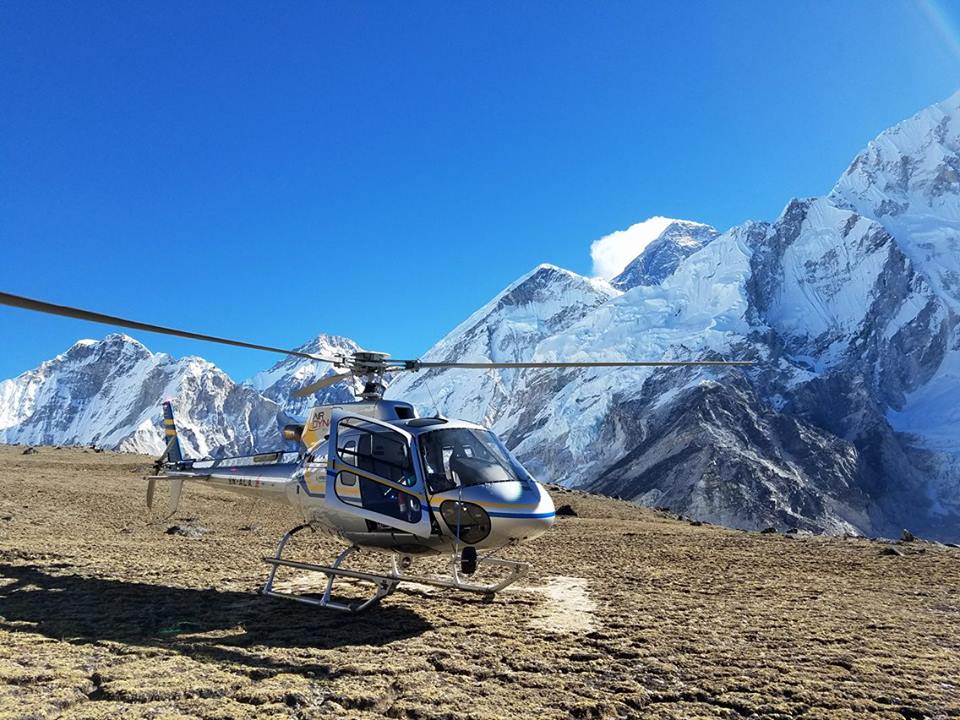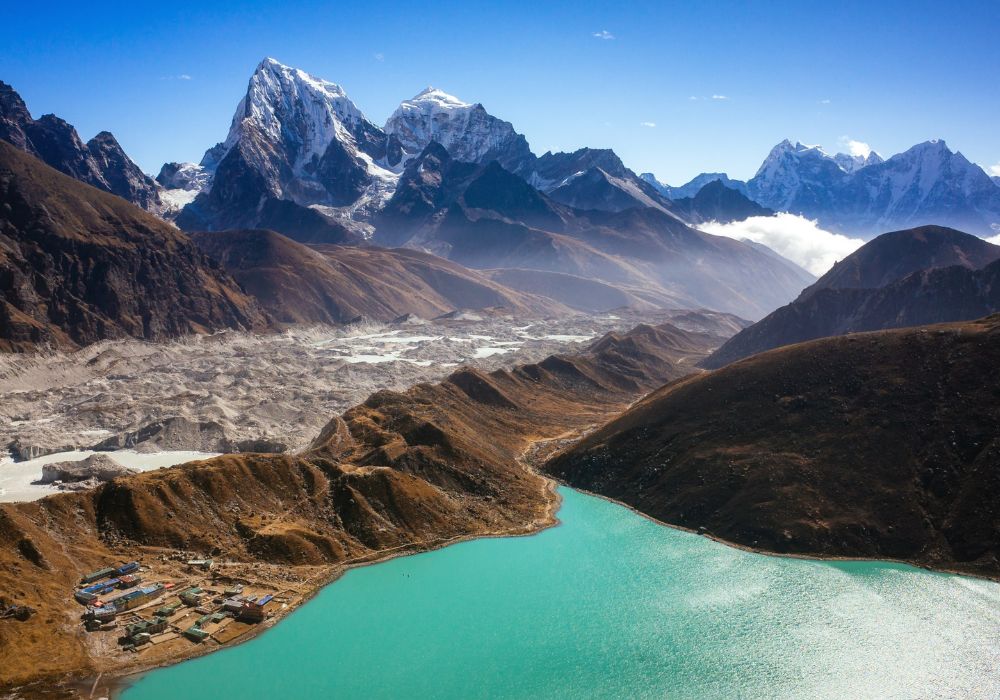
April is a lovely time to walk in the Everest region. The forests below Namche are coming into spring, more trekkers are arriving in the Khumbu, and the higher mountains are busy with climbing expeditions preparing for the season ahead. But we’d never describe April as a guarantee of clear skies or warm temperatures. You may walk in a light trekking shirt near Phakding and still need your down jacket and warm gloves when you reach Gorakshep.
For travelers planning their first journey to Everest Base Camp, April offers a good balance of spring weather and established trekking services. The challenge is still the altitude, not the month. At Amigo Treks & Expedition, we recommend an itinerary with proper acclimatization stops, comfortable walking days and enough flexibility for mountain flight delays. Our 15-day Everest Base Camp trek includes nights for acclimatization in Namche Bazaar and Dingboche before reaching the higher villages.
In brief: April is one of the main spring trekking months. Expect generally milder conditions on the lower trails than in winter, beautiful rhododendrons in suitable forest areas, busy teahouses and climbing-season activity at Base Camp. Higher elevations remain very cold, snowfall is possible and afternoon cloud can hide mountain views. On Amigo’s standard itinerary, Everest Base Camp is reached on Day 10 and Kala Patthar on Day 11.

Everest Base Camp in April at a Glance
| Planning point | What you should know |
|---|---|
| Season | Mid-spring, within Nepal’s main March–May trekking period |
| Visibility | Often good earlier in the day, though cloud, wind, haze and snow can affect the view |
| Lower villages | More comfortable daytime walking than winter; cool nights still possible |
| Upper trail | Cold mornings, freezing nights and exposed sections around Lobuche and Gorakshep |
| Trail traffic | Busy trekking period, particularly around Lukla, Namche and Base Camp |
| Lukla flights | Peak-season schedules commonly use Manthali/Ramechhap; confirm your actual departure airport |
| Everest climbing season | Expedition teams often establish or operate camps during April; access to their working areas is not included in a normal trek |
| Difficulty | A challenging high-altitude teahouse trek with no technical climbing on the standard route |
Why Choose April for the Everest Base Camp Trek?
One reason is the change of season. Rhododendrons can be flowering along the forested lower parts of the route, although their timing varies with elevation and the year’s weather. You’ll pass through Sherpa villages, cross suspension bridges over the Dudh Kosi and eventually walk above the tree line toward Dingboche and Lobuche. The contrast between the greener lower valleys and the bare upper mountains is part of what makes a spring trek memorable.
April is also part of Everest’s pre-monsoon mountaineering season. Expeditions prepare for climbs and establish their Base Camp operations. Depending on when you arrive and where the established trekking route passes, you may see tents and expedition activity from a respectful distance. Trekkers should not enter working expedition camps without permission or interfere with teams, equipment or the Khumbu Icefall route.
The main downside is popularity. Flights and good rooms in the busiest villages can be difficult to arrange at short notice. Being in a popular month does not eliminate bad weather, either. If you want a quieter journey, compare April with our March guide or consider what changes in the May trekking guide.
What Is Everest Base Camp Weather Like in April?
The useful question is where on the trail are you? April weather at Lukla is not the same as April weather at Everest Base Camp, which is more than 2,500m higher. Spring often brings pleasant sunny periods at lower elevations, while conditions at the higher lodges may still be freezing, windy or snowy. Afternoon cloud can build even after a bright morning.
For that reason, we are careful with exact “average temperature at Base Camp in April” figures found on some trekking websites. Many of these figures do not specify a measuring station, observation period or whether they describe daytime or overnight conditions. You are better served by knowing how weather changes along your itinerary than planning around one unsupported number.
| Location | Elevation | Practical April weather advice |
|---|---|---|
| Lukla and Phakding | 2,840m / 2,610m | Often comfortable while walking in sunshine; carry a light rain and wind layer |
| Namche Bazaar | 3,440m | Cool evenings and early starts; sun exposure can be strong |
| Deboche | 3,820m | Forested trail and colder lodge evenings; keep a fleece accessible |
| Dingboche | 4,410m | Exposed valley, strong sun and cold wind; use layers |
| Lobuche | 4,910m | Cold air and rough terrain; insulated gloves and a warm jacket are useful |
| Gorakshep | 5,164m | Basic high-altitude accommodation with freezing nights possible |
| Everest Base Camp | 5,364m | Typically a daytime visit; rock and glacial terrain, changing wind and visibility |
| Kala Patthar | ~5,550m | Early viewpoint hike can be very cold, especially in wind |
Nepal Tourism Board identifies spring and autumn as Nepal’s favored trekking periods, with spring particularly associated with rhododendron blooms. For a broader comparison with October and November, read our Everest Base Camp weather guide. For official forecasts, use the Department of Hydrology and Meteorology and consult your guide’s current conditions report.
Early April vs Late April: Is There a Difference?
Early April
Early April may still feel distinctly cold above Namche, particularly after a late winter snowfall. On clear mornings there can be lovely mountain views, but it is unwise to assume the route will be completely free of snow or ice. Some expeditions are still in the process of arriving and setting up at Base Camp.
Late April
Later in April, lower elevations often feel milder and more springlike. Clouds may develop during the day, and there may be more climbing expedition activity around Base Camp. The higher camps remain cold. We would not suggest leaving warm clothing behind just because you are traveling in the second half of the month.
For most trekkers, the more important questions are whether you have enough days to acclimatize and whether your Lukla flight arrangements suit your holiday. A particular week of April does not guarantee good visibility or a trouble-free flight.

Amigo’s Recommended 15-Day Everest Base Camp Itinerary
Our standard trip follows the classic trail, with two acclimatization stops built in. This is the published route used for the 15-day Everest Base Camp trek, including the Ramechhap travel arrangement common in busy trekking seasons. Walking times and distances are approximate; conditions and the group’s pace can change the day.
| Day | Route | Distance or walking time |
|---|---|---|
| 1 | Arrival in Kathmandu | Airport transfer and hotel |
| 2 | Trek briefing; drive Kathmandu–Ramechhap | Approx. 4–5 hours by road in the published itinerary |
| 3 | Fly to Lukla; trek to Phakding (2,610m) | Approx. 8km / 4 hours walking |
| 4 | Phakding to Namche Bazaar (3,440m) | Approx. 10km / 7–8 hours |
| 5 | Acclimatization in Namche | Sleep at Namche again |
| 6 | Namche to Deboche (3,820m) | Approx. 12km / 7–8 hours |
| 7 | Deboche to Dingboche (4,410m) | Approx. 11km / 5–6 hours |
| 8 | Acclimatization in Dingboche | Another overnight at Dingboche |
| 9 | Dingboche to Lobuche (4,910m) | Approx. 8.5km / 5 hours |
| 10 | Gorakshep; visit Everest Base Camp (5,364m); return to Gorakshep | Approx. 10km / 7–8 hours |
| 11 | Kala Patthar (~5,550m), then descend to Pheriche | Approx. 11km / 7–8 hours |
| 12 | Pheriche to Namche Bazaar | Approx. 18km / 7–8 hours |
| 13 | Namche to Lukla | Approx. 18km / 6 hours |
| 14 | Fly back to Ramechhap; drive to Kathmandu | Subject to weather and flight arrangements |
| 15 | Departure from Kathmandu | International departure |
This is not a race to reach Base Camp. The day from Lobuche through Gorakshep to Base Camp is tiring even in good April weather, and the early Kala Patthar walk the following morning can be cold. We encourage trekkers to speak with their guide about how they feel rather than pushing on simply because others are walking faster.
April Flights to Lukla: Why You May Need to Start From Ramechhap
April is a peak travel month in the Khumbu. Scheduled flights commonly operate from Manthali Airport in Ramechhap instead of Kathmandu when the peak-season routing is in place. On Amigo’s standard 15-day package, the listed arrangement includes a private Kathmandu–Ramechhap transfer, a night in Ramechhap and return flights between Ramechhap and Lukla.
Flight operations can change, so confirm your actual airport and airline before departure. Mountain conditions at Lukla—not the weather visible from your Kathmandu hotel—determine whether the flight can operate. A helicopter may be an option for some travelers, but it is not guaranteed in poor flying weather and costs extra unless specifically included.
For further details, see our Kathmandu to Lukla flight guide. If you have an international flight home immediately after the trek, consider leaving room for weather delays where your schedule permits.
Can You See Everest Climbing Expeditions in April?
April is associated with climbing teams arriving and acclimatizing ahead of their pre-monsoon summit attempts. This can make the Base Camp area quite different from a winter visit: you may see colorful tents, communications equipment and teams moving supplies. Exactly how much activity you’ll see depends on the date, weather and the working arrangements that season.
A standard EBC trekking visit is not permission to enter expedition camps, climb the Khumbu Icefall or approach a working climbing route. Your guide will explain where trekkers can safely walk and take photographs. There is also no guarantee that a trekking group will meet or interact with Everest summit climbers.
What Should You Pack for EBC in April?
April often tempts people to pack as though they are going on a spring holiday. We advise something different: bring comfortable walking layers for lower villages and enough warmth for freezing conditions near Gorakshep. The daypack should always carry what you may need before your porter reaches the next lodge.
- Well-fitting trekking boots: broken in before you arrive in Nepal, plus several pairs of dry hiking socks.
- Layered clothing: two to four technical shirts, thermal layers, fleece and trekking trousers.
- Insulation: a warm down or synthetic jacket for higher villages and early starts.
- Weatherproof shell: waterproof and wind-resistant jacket and trousers; don’t rely on a forecast of sunshine.
- Cold-weather protection: warm hat, neck gaiter and insulated gloves for higher elevations.
- Sun protection: sunglasses, sunscreen, lip balm and a brimmed hat.
- Sleeping bag: check the actual comfort rating for the expected high-village conditions.
- On-trail essentials: headlamp, trekking poles, water carrying capacity, personal medication and a rain-protected daypack.
Amigo’s current standard trek includes a 70L duffel, and rental of a four-season sleeping bag and down jacket if required. Check the fit and suitable comfort rating in advance. You’ll find suggested quantities and a daypack checklist in our Everest Base Camp packing list.
Is Everest Base Camp in April Suitable for Beginners?
The classic route is a high-altitude walk rather than a technical mountaineering climb. Someone new to Himalayan trekking can sometimes complete it with suitable fitness and preparation. But the altitude and walking days are demanding, whatever the month. You should be comfortable with long hill walks and several days in succession. Our Everest Base Camp training guide offers a practical preparation schedule.
April’s pleasant weather at lower elevation does not prevent altitude illness. Our standard trip includes acclimatization days at Namche and Dingboche. Fitness does not protect someone from acute mountain sickness, and simply drinking more water is not a substitute for acclimatization. Tell your guide if you develop headache, nausea or unusual fatigue during ascent, and do not sleep at a higher altitude with suspected symptoms. The CDC’s altitude-travel guidance explains these risks and the importance of gradual sleeping-altitude gain.
Have appropriate trekking insurance covering your planned altitude and medically necessary evacuation. You can also review our EBC difficulty guide for the most challenging days.
What Festivals or Events Might Coincide With an April Trip?
Nepali New Year is celebrated around mid-April. If you are spending time in Kathmandu before or after the trek, you may encounter holiday gatherings and changes to business or transport arrangements. Bhaktapur’s Bisket Jatra is a distinctive local celebration around the Nepali New Year; it is not the same thing as saying every Everest village hosts the festival.
There are two errors worth avoiding in older April guides: Buddha Jayanti follows the lunar calendar and is not automatically an April event (it falls in May in 2027), while International Everest Day commemorates the first confirmed summit on 29 May, not an April festival. If any cultural event is important to your trip, check the confirmed dates for your travel year before arranging extra sightseeing.
Which Everest Trek Is Best for April?
For a first EBC journey, the standard 15-day Base Camp trek is a straightforward choice because it follows the classic route and includes two acclimatization stops. The most suitable alternative depends on your experience and available days, not just the fact that it is April.
- Everest Panorama Trek (10 days) — an option for travelers wanting Khumbu villages and mountain views without going all the way to Base Camp.
- EBC via Gokyo and Cho La (18 days) — adds the Gokyo valley and a higher, more demanding pass crossing. Conditions should be checked carefully in spring.
- Everest Three Passes Trek (19 days) — designed for experienced, well-conditioned trekkers who want a tougher high-altitude circuit.
- EBC Trek with Helicopter Return (12 days) — removes some return walking, but still involves high-altitude ascent and depends on safe helicopter operations.
Longer and higher routes may encounter snow or ice even when the classic EBC trail is largely clear. We wouldn’t recommend switching to a high-pass itinerary without matching the route to your experience, preparation and the conditions for your particular departure.
Does an April Everest Trek Cost More?
April’s popularity means flights, guides and rooms can be in demand. Ask for a complete written quotation that states whether Ramechhap transfers, Lukla flights, meals, permits, guides, porters, the Kathmandu hotel and equipment rentals are included. Two trips advertised at similar prices can differ considerably once these items are added.
The standard 15-day package currently starts from US$1,450 per person for qualifying larger groups, but your actual quote depends on group size and confirmed arrangements. Personal insurance, visas where required, international travel and certain extras are not included. Our Everest Base Camp trek cost guide explains the budget in more detail.
Before You Depart in April
- Confirm the Lukla departure airport, including any Ramechhap transfer and hotel night.
- Keep Namche and Dingboche acclimatization days in your travel plan.
- Ask which higher-village lodge facilities are genuinely included; not every teahouse has hot showers or attached bathrooms.
- Bring a warm sleeping system, even if a Kathmandu forecast looks pleasant.
- Check whether your guide expects snow or icy sections at higher altitude before bringing specialist traction.
- Allow as much flight-delay flexibility as your overall schedule permits.
- Carry the insurer’s emergency-assistance information and confirm high-altitude cover in writing.
Everest Base Camp in April: Frequently Asked Questions
Is April a good month for the Everest Base Camp trek?
Yes. April is a popular spring trekking month with flowering lower forests, generally improved daytime walking conditions compared with winter and an active climbing-season atmosphere. You still need to prepare for snow, cold nights and variable visibility.
How cold is Everest Base Camp in April?
The upper route can be below freezing, especially overnight and early in the morning. We avoid giving one “April temperature” for all elevations; your conditions in Lukla, Namche and Gorakshep can be very different on the same day.
Does it snow on the EBC trail in April?
It can. April is spring, but storms and icy or snowy sections remain possible near higher villages and on exposed slopes. Ask your guide about the current trail.
Is early April better than late April?
Early April can be cooler, sometimes with lingering winter snow. Lower trails often warm later in the month, while afternoon cloud and expedition activity may increase. Neither half guarantees clear skies.
Can I see Everest climbing expedition tents in April?
Expedition camps are often active in April ahead of pre-monsoon climbing attempts. You may see tents and activity from permitted trail areas, but a trekking visit does not include access to working expedition camps.
Will I see the Everest summit from Base Camp?
Not clearly. The mountain’s summit is largely hidden by surrounding terrain from the Base Camp area. Kala Patthar is the standard nearby viewpoint for a better Everest summit panorama.
Do I need a guide for the EBC trek in April?
A licensed local guide is strongly recommended and is included in Amigo’s standard package. Your operator should also check the latest route-specific permit and guide requirements.
Are flights to Lukla crowded in April?
April is a popular trekking month, and peak-season flights are often routed via Manthali/Ramechhap. Book arrangements early and confirm the departure airport for your dates.
Can beginners trek to Everest Base Camp in April?
Some well-prepared first-time Himalayan trekkers can. Good hiking endurance and an acclimatization-focused itinerary matter more than technical climbing experience. April weather does not remove altitude risk.
What should I pack for April?
Pack broken-in boots, moisture-wicking walking clothes, thermals, fleece, an insulated jacket, waterproof outerwear, gloves, sun protection, a headlamp and a suitable sleeping bag.
Are rhododendrons blooming in April?
Often, in parts of the lower forested route. The exact timing depends on elevation and the weather that year; don’t expect rhododendron flowers above the tree line.
How many days does Amigo recommend?
The published classic itinerary takes 15 days, including Kathmandu and the Ramechhap logistics used during peak-season operations. Everest Base Camp is on Day 10 and Kala Patthar on Day 11.
Can I visit EBC via Gokyo or the Three Passes in April?
These routes can be possible with appropriate experience and conditions, but snow and ice on high passes may make them more demanding than the standard EBC route. Discuss the actual route with Amigo before booking.
Is Buddha Jayanti celebrated in April?
Not necessarily. Its date changes with the lunar calendar, and in 2027 it falls in May. Nepali New Year, around mid-April, is a more relevant seasonal event to check.
Is Everest Day in April?
No. International Everest Day commemorates Tenzing Norgay and Edmund Hillary’s 29 May 1953 ascent, and is observed on 29 May.
Our Advice for an April Departure
April gives you a wonderful chance to enjoy the Khumbu in spring, but it isn’t a shortcut around the effort of reaching Base Camp. Come with the right clothing, train for the long days, and give yourself time to adjust to altitude. We would much rather change a day’s walking plan than see someone struggle through an avoidable problem because they feel they must keep up with the schedule.
If you’re choosing your first Everest trek, start with our classic 15-day Everest Base Camp itinerary. Share your April departure dates and group size with Amigo so the team can confirm the actual flight routing, lodge arrangements and what is included. If comfort is your main consideration, compare the luxury Everest Base Camp trek—the lodging changes, but the mountains still deserve the same respect.