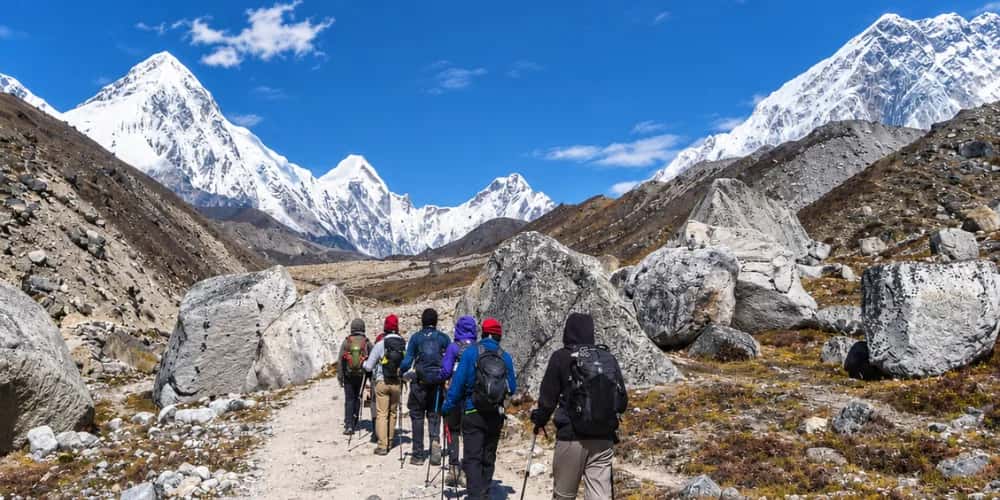
Updated
October 14, 2026
Amigo Treks & Expedition | Nepal, Tibet & Bhutan
Our Approach to Mountain Safety
The Himalayas are beautiful, but traveling at high altitude comes with challenges that should never be underestimated. Even experienced trekkers can feel unwell when they gain elevation too quickly, and everyone responds to altitude differently.
At Amigo Treks & Expedition, we take these risks seriously. Our approach starts with choosing a suitable itinerary, allowing time for acclimatization, preparing travelers before departure, and paying attention to their wellbeing throughout the journey.
Our trekking guides carry basic first-aid kits, and our team helps coordinate medical assistance and evacuation arrangements when needed. However, we also recognize that mountain travel involves risks that cannot always be predicted or prevented.
Our priority is not simply helping you reach your destination. It is helping you enjoy the journey and return safely.
This policy explains how we approach altitude safety across our trekking, climbing, helicopter, motorcycle, pilgrimage, and cultural travel programs in Nepal, Tibet, and Bhutan.
1. Understanding Altitude Sickness
As you travel higher into the mountains, atmospheric pressure decreases, meaning less oxygen is available with each breath.
Your body gradually adjusts to this change through a process called acclimatization. When you ascend faster than your body can adapt, altitude sickness may develop.
Altitude illness becomes a concern for unacclimatized travelers at around 2,500 meters and can occasionally occur at lower elevations.
Physical fitness does not guarantee protection. Someone who regularly runs marathons can develop altitude sickness, while another traveler with less hiking experience may adjust without difficulty.
Previous high-altitude experience can be helpful, but it does not guarantee that you will acclimatize successfully on your next trip.
For this reason, we consider the route, sleeping altitude, speed of ascent, physical demands, and each traveler's health when planning high-altitude journeys.
2. How We Plan Acclimatization
Acclimatization is one of the most important considerations when planning a Himalayan trek or expedition.
For overnight high-altitude journeys, our planning follows internationally recognized recommendations:
Avoid traveling directly from low altitude to a sleeping elevation of 2,750 meters or higher in one day whenever practical.
Above 3,000 meters, aim to limit sleeping-altitude gains to approximately 500 meters per day.
Allow an additional acclimatization night for every 1,000 meters of sleeping-altitude gain.
Include extra rest or acclimatization time when the route or a traveler's condition requires it.
Do not continue to a higher sleeping altitude when someone has symptoms suggesting acute mountain sickness.
The elevation where you sleep matters more for acclimatization than the highest point you visit during the day.
On some treks, a gentle walk to a higher viewpoint followed by a return to a lower sleeping elevation can form part of the acclimatization schedule.
However, acclimatization walks should never be forced when someone is feeling unwell.
Acclimatization Days on Our Treks
Our standard Everest Base Camp Trek includes acclimatization days at Namche Bazaar and Dingboche.
Other journeys, including the Annapurna Circuit, Manaslu Circuit, and high-altitude climbing programs, require different arrangements depending on their routes and overnight elevations.
Some established Himalayan routes involve larger sleeping-altitude gains because of the location of villages, camps, roads, or available accommodation.
Where this occurs, we assess the additional risks and recommend slower routes, extra acclimatization time, or alternative overnight stops whenever practical.
Having acclimatization days in an itinerary does not eliminate the possibility of altitude sickness.
The actual condition of each traveler remains the deciding factor when determining whether it is safe to continue.
3. Different Trips Require Different Altitude Precautions
Not every Amigo journey involves the same level of altitude exposure.
Trekking in Nepal
For high-altitude treks in the Everest, Annapurna, Manaslu, Langtang, Mustang, Dolpo, Kanchenjunga, Makalu, and other Himalayan regions, we consider the daily elevation gain, overnight stops, walking duration, and access to lower elevations.
Short treks need particular attention. Reaching a high-altitude destination in fewer days does not necessarily make the journey easier or safer.
When a longer itinerary provides a more suitable acclimatization schedule, we encourage travelers to consider that option.
Peak Climbing and Mountaineering Expeditions
Climbing programs involve additional risks associated with higher camps, extreme weather, physical exertion, technical terrain, and limited medical access.
For peak climbing and major expeditions, acclimatization planning also considers camp rotations, recovery time, summit attempts, and emergency descent options.
Specialized medical equipment, oxygen, and other arrangements depend on the expedition's approved operating plan.
Tibet and Mount Kailash
Many destinations in Tibet are already at significant altitude, even when traveling by vehicle.
Lhasa is approximately 3,650 meters above sea level, while journeys toward Everest Base Camp, Mount Kailash, and Lake Manasarovar reach considerably higher elevations.
Rapid road travel can expose travelers to substantial altitude changes without giving their bodies sufficient time to adjust.
We encourage travelers planning Mount Kailash journeys to choose itineraries with adequate acclimatization time, particularly before beginning the kora and crossing Dolma La Pass.
Shorter itineraries may involve greater altitude-related risks, which should be considered carefully before booking.
Bhutan Tours and Treks
Bhutan holidays range from cultural sightseeing to demanding high-altitude trekking.
Cultural tours through Paro, Thimphu, and Punakha generally require different altitude precautions from trekking programs such as the Druk Path and Jomolhari routes.
We assess the elevations, walking activities, overnight locations, and individual circumstances of each journey.
Helicopter Tours
Helicopter tours can take travelers from relatively low elevations to mountain destinations above 3,500 or 4,000 meters in a short period.
Although brief visits generally present a different altitude illness risk from overnight stays, rapid exposure can still cause problems, particularly for travelers with certain medical conditions.
We encourage guests with relevant heart, lung, or previous altitude-related conditions to consult a doctor before booking a high-altitude helicopter excursion.
Landing arrangements and time spent at high altitude depend on the flight's approved operating conditions, weather, and passenger safety.
Motorcycle and Overland Tours
Motorcycle and overland trips through Upper Mustang, Manang, Tibet, and other mountain regions may involve rapid altitude gain.
Altitude-related dizziness, exhaustion, or difficulty concentrating can affect a rider's ability to operate a motorcycle safely.
Travelers experiencing concerning symptoms must stop riding, inform the tour leader, and undergo an appropriate assessment before continuing.
Cultural and Wildlife Holidays
Most lower-altitude holidays, including visits to Kathmandu, Pokhara, Chitwan, and Bardia, do not require formal acclimatization schedules.
We still consider general travel safety, medical needs, road conditions, and emergency arrangements.
If a cultural or wildlife holiday includes a high-altitude excursion, the relevant altitude precautions apply to that part of the journey.
4. First-Aid Kits and Medical Preparedness
Our trekking guides carry a basic first-aid kit during trekking journeys.
These kits are intended to help manage minor injuries and provide initial assistance until additional medical care can be arranged if necessary.
Basic first-aid supplies may include bandages, sterile dressings, antiseptic materials, medical tape, and other common first-aid items, depending on the trip's requirements.
Our guides also pay attention to symptoms that may indicate altitude sickness, exhaustion, dehydration, cold exposure, or other health concerns.
However, a basic first-aid kit is not a substitute for professional medical treatment.
Some mountain emergencies require oxygen, prescription medication, specialized equipment, urgent descent, or evacuation to a medical facility.
The equipment and emergency arrangements available differ between ordinary treks, remote camping journeys, and major mountaineering expeditions.
Before departure, our operations team considers the route's risks, communication arrangements, and the medical resources available along the journey.
Personal Medication
We recommend that travelers carry their own prescribed medication and a small personal first-aid supply.
If you have allergies, an existing medical condition, or require specific medication, please inform our team before departure.
Do not assume that your guide's first-aid kit contains your regular medication or specialized medical supplies.
5. How Our Guides Monitor Travelers at Altitude
Our guides pay attention to how guests are feeling throughout the trek, particularly after reaching higher overnight stops.
On high-altitude journeys, regular wellbeing checks help identify possible problems before they become more serious.
Our approach includes asking travelers about:
Headaches or dizziness.
Nausea, vomiting, or loss of appetite.
Unusual tiredness or weakness.
Breathing difficulty or persistent coughing.
Changes in balance or coordination.
Confusion or unusual behavior.
On overnight high-altitude treks, our operational standard is to check travelers' wellbeing regularly, including morning and evening assessments and additional checks when symptoms occur.
A pulse oximeter may be used where available, but oxygen saturation readings alone cannot reliably diagnose or rule out altitude sickness.
We encourage all travelers to communicate openly with their guides.
If you develop a headache, feel unusually weak, or experience any concerning symptoms, please tell your guide immediately.
You should never feel pressured to hide symptoms because you are worried about slowing down the group.
6. Recognizing Serious Altitude Illness
There are three major altitude-related illnesses that travelers should understand.
Acute Mountain Sickness (AMS)
AMS commonly develops after ascending to a higher elevation.
Typical symptoms include a headache accompanied by nausea, dizziness, unusual fatigue, or other symptoms.
Someone with suspected AMS should not continue to a higher sleeping altitude.
Mild symptoms may improve with rest and time at the same elevation, but the person's condition must be monitored.
Worsening or severe symptoms require descent and appropriate medical attention.
High-Altitude Cerebral Edema (HACE)
HACE is a life-threatening condition affecting the brain.
Warning signs include confusion, unusual behavior, serious loss of balance, difficulty walking straight, or reduced consciousness.
Suspected HACE requires urgent medical treatment and immediate arrangements for assisted descent or evacuation.
The affected person must not be left alone.
High-Altitude Pulmonary Edema (HAPE)
HAPE is a life-threatening condition involving fluid accumulation in the lungs.
Warning signs include unusual breathlessness, a persistent cough, chest congestion, a marked decline in walking performance, or breathing difficulty at rest.
HAPE may occur without other typical symptoms of AMS.
Suspected HAPE requires urgent medical assistance, oxygen when available and appropriate, and prompt assisted descent or evacuation.
Our Three Essential Altitude Safety Rules
Do not ascend to a higher sleeping altitude when you have symptoms suggesting altitude sickness.
Descend when symptoms become severe or worsen despite rest or appropriate treatment.
Treat confusion, loss of coordination, and breathing difficulty at rest as medical emergencies.
Not every illness in the mountains is caused by altitude, so medical assessment remains important.
7. What Happens During a Medical Emergency?
If a traveler becomes seriously unwell, our priority is to arrange appropriate care and move them to a safer location.
Depending on the situation, the guide or expedition leader may:
Stop the planned ascent and assess the traveler's condition.
Provide appropriate initial first aid within their training.
Seek assistance from a qualified medical professional or the nearest suitable health facility.
Arrange urgent descent when indicated.
Contact our Kathmandu operations team for additional coordination.
Organize ground transport, assisted evacuation, or helicopter rescue when necessary and available.
Coordinate with emergency contacts and the traveler's insurance provider.
Our team considers the person's condition, weather, terrain, transport availability, and access to medical facilities when making emergency arrangements.
Helicopter evacuation cannot be guaranteed. Poor weather, visibility, landing restrictions, and aircraft availability can prevent or delay flights.
When urgent descent is needed, we do not rely solely on the possibility of helicopter rescue.
A traveler with a serious medical condition should remain supervised and receive appropriate assistance.
Can Your Guide Change the Itinerary?
Yes.
Our guides and expedition leaders may change or stop an activity when conditions make it unsafe to continue.
This could mean spending another night at the same elevation, descending to a lower village, avoiding a high pass, or turning back before reaching a summit.
We understand that travelers invest considerable time and money in their Himalayan journeys.
However, continuing simply to complete the itinerary is not an acceptable reason to overlook a serious health concern.
8. Altitude Medication and Supplemental Oxygen
Some travelers use acetazolamide, commonly known as Diamox, to help prevent altitude sickness.
It may be appropriate for certain journeys, particularly when rapid ascent cannot be avoided. However, travelers should consult a qualified medical professional before taking it.
Medication does not replace adequate acclimatization.
Other treatments for severe altitude illness require medical direction and appropriately trained personnel.
Supplemental oxygen can be helpful in altitude-related emergencies, but it does not replace necessary descent or medical treatment.
Not all trips carry emergency oxygen or advanced medical equipment. Available supplies and arrangements must be confirmed for each departure.
We discourage travelers from relying on medication or oxygen as a reason to ignore symptoms or continue ascending when they are unwell.
9. Practical Advice for Staying Healthy at Altitude
A few sensible habits can make your journey more comfortable.
We recommend that travelers:
Walk at a comfortable, steady pace.
Drink regularly according to thirst and physical activity.
Eat sufficient meals, even when appetite decreases.
Avoid alcohol during initial acclimatization and when experiencing altitude symptoms.
Avoid sleeping pills or other medicines that suppress breathing unless directed by a doctor.
Wear appropriate clothing and protect themselves from cold, wind, and strong sunlight.
Get sufficient rest.
Report any unusual symptoms to their guide.
Drinking excessive water does not prevent altitude sickness and can cause other medical problems.
Likewise, being physically fit or experienced does not eliminate the need for gradual acclimatization.
10. Travel Insurance and Emergency Evacuation
Suitable travel insurance is an important requirement for our high-altitude trekking, climbing, and remote mountain journeys.
Travelers must arrange appropriate cover for their planned activities and maximum travel elevation in accordance with their booking conditions.
Depending on the journey, the policy should cover:
High-altitude trekking or mountaineering.
Emergency medical treatment.
Helicopter evacuation where applicable.
Hospitalization and medical repatriation.
Other relevant trip interruption or emergency expenses.
Standard travel insurance may not cover trekking above certain elevations or technical climbing activities.
Please review your insurance policy carefully before departure and carry your policy details and emergency assistance contact number.
Amigo can assist with rescue coordination, but insurance approval, payment, and reimbursement depend on the insurer's terms and conditions.
11. Your Responsibilities as a Traveler
Mountain safety works best when our guests and guides communicate openly.
Before traveling, we ask you to provide relevant medical information, prepare appropriately, and understand the physical demands of your chosen journey.
During the trip, please follow your guide's safety advice and report symptoms promptly.
If the guide recommends rest, descent, or a change to the itinerary for medical reasons, we ask you to respect that decision.
For longer or more demanding journeys, discuss any health concerns with your doctor before departure.
Our aim is to help you make an informed decision about the journey and travel with realistic expectations.
12. Our Responsibility as a Local Trekking Company
As a Kathmandu-based trekking and adventure company, we believe responsible mountain travel begins long before a group reaches the trail.
Our responsibilities include explaining the demands of a journey, considering altitude exposure during itinerary planning, assigning suitable guides and support arrangements, and helping coordinate assistance when difficulties arise.
We also review significant safety incidents and feedback to identify opportunities for improvement.
We do not claim that every risk can be eliminated or that every itinerary is suitable for every traveler.
Different people need different levels of preparation, and sometimes a slower itinerary or a different journey is the better choice.
We believe giving travelers clear information and practical advice is an essential part of our responsibility.
Your Safety Matters More Than the Destination
We know that trekking to Everest Base Camp, completing the Kailash kora, crossing a Himalayan pass, or climbing a mountain may be a long-held dream.
We want you to have an enjoyable and memorable experience, but we also want you to recognize when the conditions call for a change of plan.
Our guides carry basic first-aid kits on trekking journeys, and our team works to make appropriate safety and emergency arrangements for the trips we organize.
Still, altitude sickness and other mountain emergencies can occur despite careful preparation.
If you are concerned about altitude, have an existing medical condition, or are unsure which itinerary suits you, please speak with our team before booking.
At Amigo Treks & Expedition, reaching the destination is an achievement. Making a responsible decision to turn back when necessary is equally important.
Medical References
This policy is informed by internationally recognized high-altitude medicine guidance:
This policy provides general information about our approach to mountain safety. It does not replace professional medical advice, individual medical assessment, or emergency medical treatment. Equipment, medical supplies, acclimatization arrangements, and evacuation options depend on the itinerary and must be confirmed for each departure.
Policy updated: October 2026
Recent Amigo reviews
Recent traveler sentiment from the wider Amigo collection
The related trip does not have public reviews yet, so this guide is showing the latest approved feedback from recent Amigo travelers.
Average rating
5.0
Showing now
4
recent review summaries
Review source
Latest approved reviews
Across the Amigo site
Jack Thompson
Australia
Amazing Nepal Motorbike Tour with a Great Guide and Mechanic
We were a group of 8 riders and joined the Nepal Motorbike Tour with Amigo Treks & Expedition in May 2026. The whole trip was very well organized, and everyone in our group had a great time. The bikes were...

T Saavedra
US
Ultimate Luxury Everest Base Camp Trek
After years of exploring various destinations, Everest Base Camp remained on our bucket list as that one intimidating challenge. The logistics alone seemed overwhelming, and we wondered if we could handle such...

Julien Moreau
FR
Upper Mustang Motorbike Tour
I recently completed the Upper Mustang Motorcycle Tour with Amigo Treks and Expedition, and honestly, I’m still trying to find the words to describe how incredible the experience was. From the moment we kicked...

Luther
AU
Everest Motorcycle Tour
Dinesh and the team at Amigo Treks and Expeditions went above and beyond for us. Allowing us to custom-design our trip and adjust it on the go as required, best to suit our group of 18 riders from Australia. Th...