Manaslu Trek 2026/27: Route and Permit Update
This overview explains the Manaslu Circuit and its villages, scenery and preparation. Updated route note: Many current trips drive from Kathmandu towards Machha Khola, rather than beginning the walk at the older Arughat trailhead. Road access and departure travel time must be checked for each group. The high crossing is Larkya La, approximately 5,100–5,160m, where weather and acclimatization matter more than a fixed itinerary.
Nepal Immigration’s current Manaslu restricted-area schedule lists US$100 for the first week in September–November and US$15 for each day beyond a week; in December–August the figures are US$75 for the first week and US$10 for each additional day. Separate Manaslu Conservation Area and Annapurna Conservation Area permits may apply. Confirm the actual route and documents with a registered trekking agency. Amigo’s 15-day Manaslu Circuit package currently starts from US$1,560 per person.
Do not describe Kathmandu rest days as sufficient mountain acclimatization. The current package includes Samagaon and Samdo before Dharamshala, but the gain from Samdo to Dharamshala can be substantial. Review the sleeping-altitude sequence with your guide and a travel-medicine professional, and read the complete Manaslu Circuit guide for further route and safety detail.
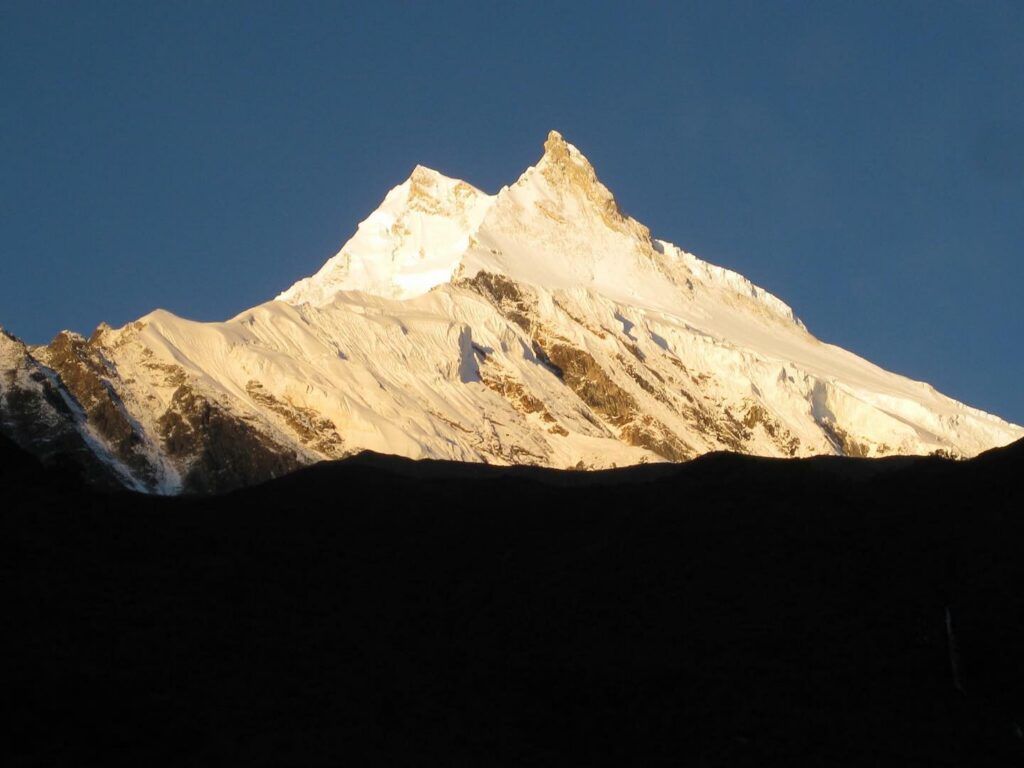
The Manaslu Circuit Trek is a challenging but rewarding trekking route in the western region of Nepal, offering stunning views of the Manaslu massif and the surrounding landscape. The trek takes adventurers on a circuit around the base of Manaslu, the world’s eighth-highest peak, offering a true adventure in the heart of the Himalayas.
The trip starts with preparation in Kathmandu, followed by an overland journey toward the Budhi Gandaki valley. Many present-day itineraries use Machha Khola or a nearby accessible roadhead, rather than the older Arughat trail start; the practical endpoint and driving time depend on road conditions. Kathmandu is not a substitute for acclimatization during the higher-altitude trekking days. No Lukla flight is needed.
Trekkers will pass through small villages and rural farmlands as they ascend the trail, where they will be able to witness the traditional way of life of the locals and learn about their culture and history. The trail also goes through the Manaslu Conservation Area, which is home to a variety of flora and fauna, including the endangered snow leopard.
As the trail gets higher, the landscape becomes more rugged and remote, with towering peaks rising up on all sides. Trekkers will have the opportunity to visit the Manaslu Base Camp, situated at an altitude of 4,600 meters (15,091 feet), offering stunning views of the surrounding mountains.
After the base camp, the trail continues to the Larkya La Pass, the highest point of the trek at an altitude of 5,106 meters (16,752 feet). From the pass, trekkers will have a panoramic view of the entire Manaslu massif and the surrounding peaks.
After descending from the pass, the trail continues around the base of Manaslu, offering more opportunities to view the mountain and its surrounding peaks. The trail then heads east, passing through the Budhi Gandaki Valley and eventually reaching the town of Dharapani, where the trek comes to an end.
The Manaslu Circuit Trek is a demanding trek that requires a high level of physical fitness and mental preparedness. It is important to be well-equipped with the proper gear and clothing and to have a good understanding of the challenges and risks associated with trekking at high altitudes. With proper preparation and the right attitude, the Manaslu Circuit Trek can be a life-changing adventure.
In addition to the physical challenges of the trek, trekkers will also face logistical challenges, as the Manaslu Circuit Trek is a relatively remote and isolated route. Trekkers will need to be self-sufficient and capable of dealing with the challenges of the high altitude and rugged terrain.
Despite the challenges, the rewards of the Manaslu Circuit Trek are well worth the effort. Trekkers will be rewarded with stunning views of the Manaslu massif and the surrounding peaks, as well as the opportunity to experience the culture and way of life of the local people.
The Manaslu Circuit Trek is a true adventure in the heart of the Himalayas, offering a unique and unforgettable experience for those who are up to the challenge. With proper preparation and the right attitude, the Manaslu Circuit Trek can be a life-changing adventure that will be remembered for a lifetime.
What Is The Best Season for The Manaslu Circuit Trekking?
The best season for the Manaslu Circuit Trekking is considered to be the autumn season, which typically falls between September and November. The weather is generally clear and stable during this time, with warm days and cool nights. The autumn season also offers the best visibility, with clear views of the surrounding mountains and the Manaslu massif.
The spring season, which falls between March and May, is also considered a good time to trek in the Manaslu region. During this time, the weather is mild and the landscapes are lush and green, with wildflowers blooming in the valleys. However, the spring season can also bring more unpredictable weather and the risk of snowfall at higher elevations.
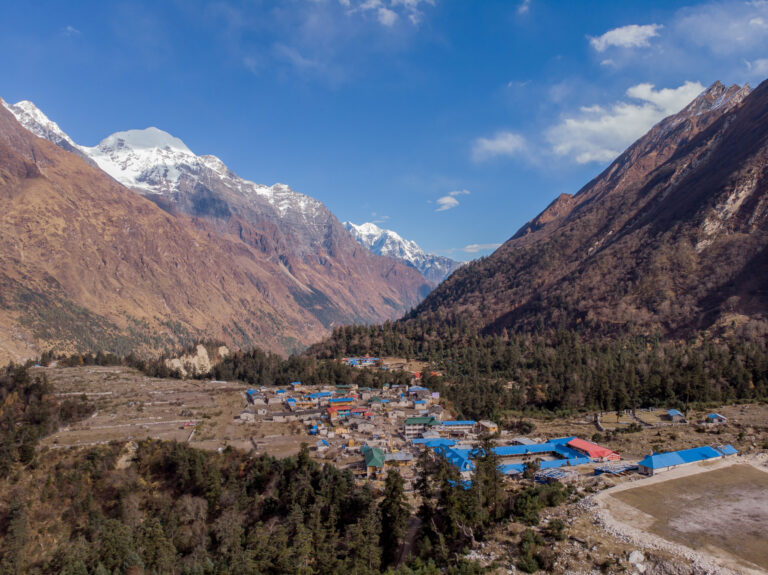
The summer season, which falls between June and August, is typically the monsoon season in Nepal, with frequent rainfall and cloudy skies. While the rain can make the trails muddy and slippery, it also brings fresh new growth to the forests and meadows, making it a beautiful time to trek in the region.
The winter season, which falls between December and February, is generally not considered the best time to trek in the Manaslu region. The temperatures are cold, with the risk of snow and ice on the trails, and the skies are often cloudy, reducing visibility. However, for experienced trekkers who are well-equipped for the cold and are looking for a more challenging adventure, the winter season can also offer a unique and rewarding experience.
Overall, the best season for the Manaslu Circuit Trekking will depend on personal preferences and the specific goals of the trek. While the autumn season offers the best weather and visibility, the other seasons can also offer their own unique charms and challenges.
How difficult is the Manaslu Circuit Trek?
The Manaslu Circuit Trek is considered a challenging trek that requires a high level of physical fitness and mental preparedness. The trek involves long days of hiking at high altitudes, with some steep and rugged terrain, and can be physically demanding for even experienced trekkers.
One of the main challenges of the Manaslu Circuit Trek is the high altitude. The trek takes place at elevations ranging from 600 meters to 5,106 meters (1,969 feet to 16,752 feet), and the thin air and low oxygen levels can be difficult for some trekkers to adjust to. Altitude sickness is a common concern on the trek, and it is important to be aware of the symptoms and to take appropriate precautions to prevent and treat the condition.
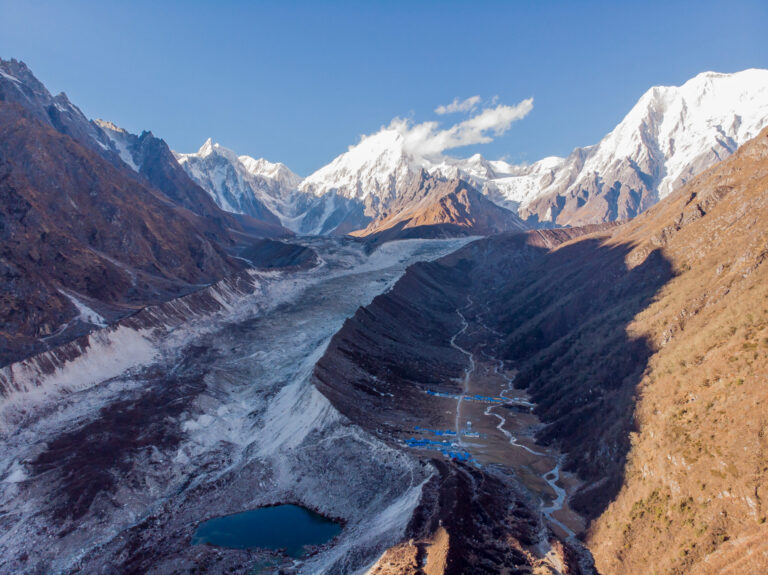
Another challenge of the Manaslu Circuit Trek is the isolation and remoteness of the route. The trek takes place in a relatively remote and inaccessible region, and trekkers will need to be self-sufficient and capable of dealing with the challenges of the high altitude and rugged terrain.
In addition to the physical challenges of the trek, trekkers will also face logistical challenges, such as finding accommodations and obtaining permits and other necessary documents. It is important to be well-organized and to have a good understanding of the logistics of the trek to ensure a smooth and successful experience.
Overall, while the Manaslu Circuit Trek is a challenging trek, it is also a rewarding and unforgettable adventure. With proper preparation and the right attitude, even those with no previous trekking experience can successfully complete the trek and enjoy the beauty and solitude of the Manaslu region.
Packing lists for Manaslu Circuit Trek
When packing for the Manaslu Circuit Trek, it is important to bring the necessary gear and clothing to ensure a successful and comfortable experience. The following is a list of recommended items to bring on the trek:
- Backpack: A good quality backpack with a capacity of at least 50 liters is essential for carrying your gear on the trek. The backpack should be well-padded and comfortable to wear, with adjustable straps and a waist belt for added support.
- Hiking boots: A pair of sturdy and comfortable hiking boots are essential for the trek. The boots should provide good support and have a good grip on the trails, with a high-cut ankle to protect against sprains and other injuries.
- Clothing: It is important to bring layers of clothing to stay warm and comfortable on the trek. This should include a base layer of moisture-wicking fabric, a mid-layer of fleece or wool, and an outer layer of waterproof and windproof material. Be sure to also bring a warm hat, gloves, and a scarf to protect against the cold.
- Sleeping bag: A good quality sleeping bag is essential for staying warm at night. The sleeping bag should be rated for at least -10 degrees Celsius and should be compact and lightweight for easy packing.
- Headlamp: A headlamp is a useful tool for navigating the trails at night and for finding your way around the teahouses. Be sure to bring extra batteries or a charging cable for your headlamp.
- Water bottles: It is important to stay hydrated on the trek, so be sure to bring at least two 1-liter water bottles. Water can be purified using iodine tablets or a water filter, and can be refilled at the teahouses along the trail.
- Snacks and energy bars: It is a good idea to bring along some snacks and energy bars to keep your energy levels up on the trek. Nuts, dried fruit, and jerky are all good options, as are energy bars and gels.
- First aid kit: A basic first aid kit should include bandages, adhesive tape, antiseptic wipes, and painkillers. Be sure to also bring any necessary medications, such as altitude sickness pills or other prescription drugs.
- Sunscreen and sunglasses: The sun at high altitudes can be intense, so be sure to bring along sunscreen with a high SPF rating, and a pair of sunglasses to protect your eyes.
Overall, the items on this packing list will help to ensure a successful and comfortable experience on the Manaslu Circuit Trek. Be sure to also check with your trekking company for any additional requirements or recommendations.
Manaslu Circuit Trek FAQs for 2026/27
Can I book the Manaslu Circuit Trek as a solo traveler in 2026/27?
Yes. Since the March 2026 rule change, one foreign trekker can obtain a Manaslu restricted-area permit through a registered trekking agency without another foreign client. A licensed trekking guide is still required; the change does not permit unguided independent trekking.
What permits does the Manaslu Circuit require?
The restricted-area permit applies in the defined Manaslu zone. Manaslu and Annapurna conservation-area entry requirements can also apply to the standard circuit.
Can I follow the old Arughat roadhead itinerary exactly?
Road construction and road damage have changed practical access. Machha Khola is a common current trailhead, but vehicles and walking stages must be confirmed for the departure.
Is Larkya La safe to cross every day in autumn?
No. Snow, winds, conditions on the trail and group health may prevent a planned crossing.
Can Kathmandu rest days replace mountain acclimatization?
No. The high sleeping elevations and ascent rate during the mountain trek need individual assessment.