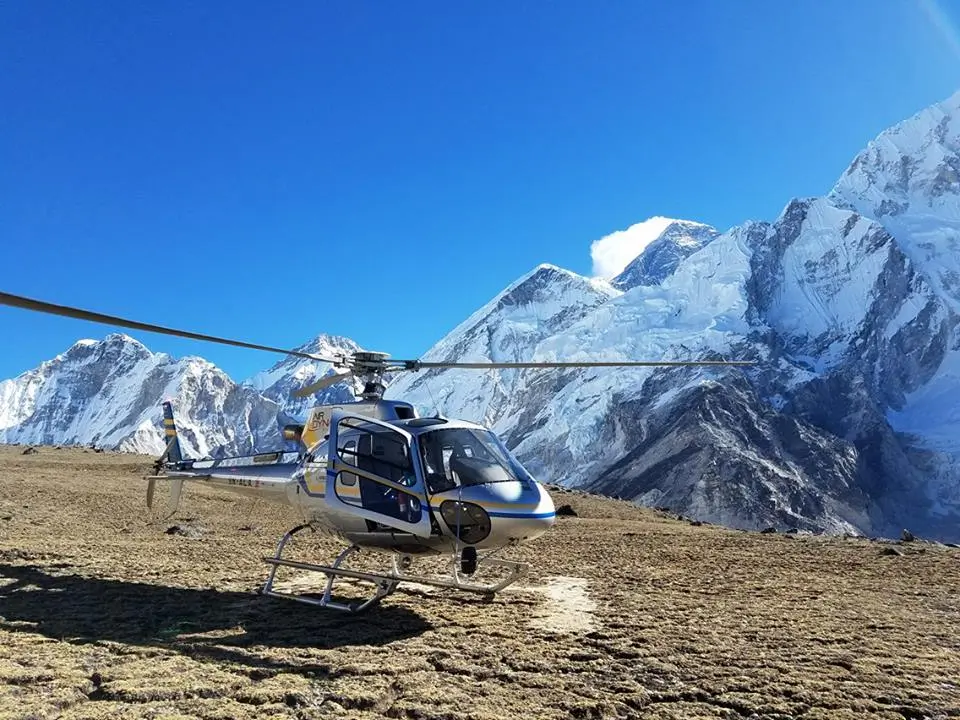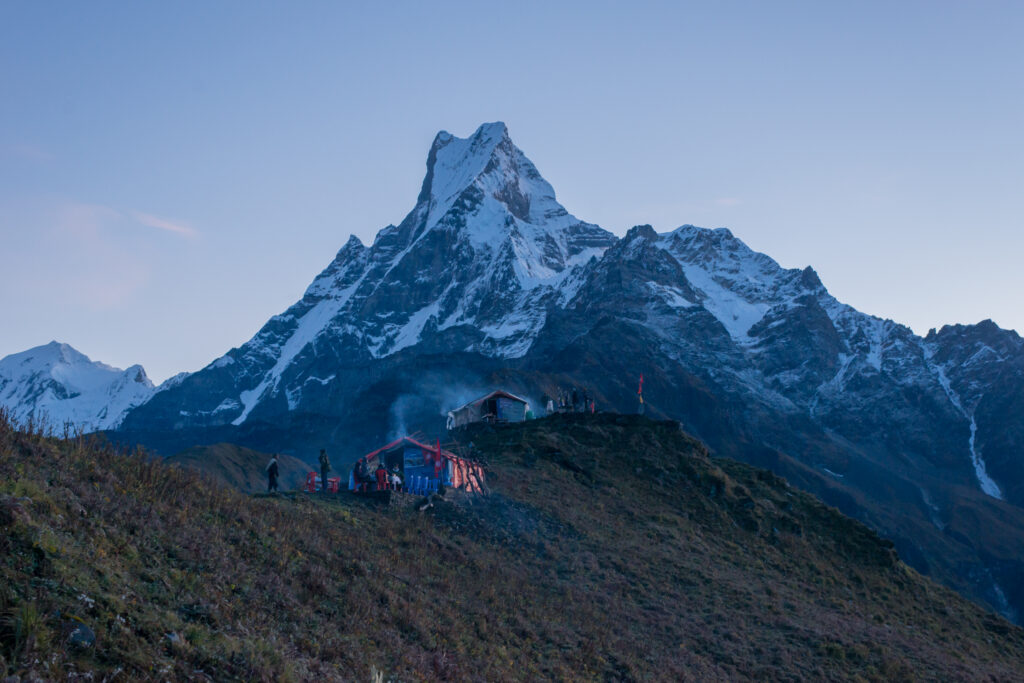
The Annapurna Base Camp trek takes you through village paths, stone steps, bamboo and rhododendron forest, and finally into an extraordinary mountain amphitheater beneath Annapurna I and Machhapuchhre. The destination is Annapurna Base Camp (ABC), at approximately 4,130 meters (13,550 feet)—not 5,000 meters as an older version of this article incorrectly suggested.
This is our practical Annapurna Base Camp Trek Useful Information guide, updated for 2026/27 by Amigo Treks & Expedition. It covers the details travelers often ask us about before departure: insurance, fitness, permits, Kathmandu–Pokhara travel, trailhead access, teahouses, food, altitude precautions, packing and Nepal visas. If you are choosing between itineraries, compare our 6-day Pokhara trek, 10-day Kathmandu trek and 12-day ABC trek with Ghorepani and Poon Hill.
Quick answer: ABC is a non-technical but physically demanding mountain trek that reaches 4,130m. Most travelers should expect steep stairs, several hours of walking on consecutive days, changing weather and basic high-altitude lodges. Spring and autumn are generally preferred. Amigo’s three current guided ABC packages include trekking permits, licensed guide and porter support, lodge accommodation and three meals daily during the trek. A travel-insurance policy that includes trekking at this elevation and emergency helicopter evacuation is a separate responsibility.
Quick Facts Before You Book
| Topic | What you need to know |
|---|---|
| Highest elevation | Annapurna Base Camp, 4,130m / approximately 13,550ft |
| Main trekking style | Non-technical teahouse trekking, with steep stone steps and sustained uphill and downhill walking |
| Short route | 6 days from Pokhara; a faster itinerary with limited extra acclimatization time |
| Kathmandu itineraries | 10 days via a shorter sanctuary approach or 12 days including Ghorepani/Poon Hill |
| Accommodation | Teahouse lodges; room availability more restricted at Deurali and ABC |
| Meals on Amigo’s guided treks | Breakfast, lunch and dinner during the trek, plus specified hot drinks and treated water |
| Documentation | ACAP entry and route-applicable TIMS and licensed guide arrangements; agency confirms exact requirements |
| Recommended seasons | Usually March–May and October–November, subject to current conditions |
| Safety priorities | Gradual enough pacing, alertness to altitude symptoms, rockfall/avalanche exposure and weather decisions |
Difficulty, Fitness and Preparation
You do not need ropes, crampon technique or mountaineering experience for the normal ABC trail in suitable conditions. However, non-technical does not mean easy. Expect long stair climbs and descents, rough or slippery trail sections and several days of walking with a daypack. Some walking days can take roughly 4–7 hours, while longer or disrupted days may take more. The exact daily duration depends on the itinerary and your pace.
If you hike regularly, you can improve your preparation with hill walks, stairs, steady cardiovascular exercise and strength training for your legs and core. Begin building this routine several weeks or, ideally, two to three months in advance. Break in your boots on real walks, practice hiking with your intended daypack and give yourself time to recover between training sessions.
The 6-day route from Pokhara moves into the mountains more quickly and is best considered by well-prepared hikers who understand rapid altitude gain. Fit beginners may prefer a longer schedule, but even the 12-day version needs sensible pacing near Deurali and Machhapuchhre Base Camp. Tell your guide about any unusual fatigue or symptoms rather than treating the itinerary as a race. Our ABC trek difficulty guide explores the stairs, distances and preparation in more detail.
Altitude and Acclimatization at 4,130m
Annapurna Base Camp is high enough for altitude illness, particularly when a traveler moves quickly from the lower hills to the sanctuary. Headache, nausea, dizziness or unusual fatigue at altitude should be taken seriously. Symptoms can affect strong and experienced walkers too; physical fitness does not eliminate the risk.
The CDC Yellow Book guidance on altitude illness recommends managing the rate of ascent, recognizing symptoms promptly and descending when serious altitude illness is suspected. Keep communication open with your guide. If symptoms worsen, do not push uphill to reach a planned lodge or sunrise view. Severe confusion, loss of coordination or breathing difficulty requires urgent medical attention and descent; evacuation depends on mountain conditions and may not be immediately available.
Let Amigo know before departure about previous altitude reactions or relevant medical conditions. Seek personalized advice from a clinician about high-altitude travel and whether preventative medication is appropriate. No single trek length or medication can guarantee that altitude problems will not occur.
Travel Insurance and Helicopter Evacuation
Check that your insurance explicitly covers trekking to at least 4,130m and emergency helicopter rescue at the elevations you may reach. In practice, choosing a policy that covers trekking to 4,500m or 5,000m can provide a clearer buffer, but always verify the written policy wording rather than assuming the advertised maximum includes every activity.
- Emergency medical treatment, hospital costs and medically necessary evacuation, including helicopter evacuation when available.
- The intended maximum trekking altitude and whether guided teahouse trekking is included without a special mountaineering endorsement.
- Trip interruption, weather disruption, baggage and travel cancellation subject to actual policy terms.
- Pre-existing condition exclusions, deductibles, claim documentation and arrangements for payment guarantees.
Amigo’s current ABC packages provide guide support and basic first-aid equipment, but personal travel insurance is not included. Helicopter operations are limited by weather, daylight and site conditions, so insurance coverage does not guarantee an immediate aircraft pickup. Keep an offline copy of your insurance details and emergency-assistance contact number.
Permits and Licensed Guide Requirements
The Annapurna Sanctuary lies inside the Annapurna Conservation Area. Travelers need to follow applicable ACAP requirements and, for routes under the revised trekking arrangements, a licensed guide and trekking-agency-issued TIMS card. The Nepal Tourism Board’s TIMS list specifically includes the Poon Hill–ABC trek. Your agency should confirm what is required for your chosen Ghandruk/Jhinu or Ghorepani variation rather than assuming every itinerary and nationality follows an identical procedure.
| Current published fee | SAARC nationals | Other foreign visitors |
|---|---|---|
| Annapurna Conservation Area Permit (ACAP) | NPR 1,000 | NPR 3,000 |
| Agency TIMS eCard where applicable | NPR 1,000 | NPR 2,000 |
The Nepal Tourism Board park-entry fee page also lists a separate Nepali conservation-area category and an exemption for children below 10. For ACAP permit applications and current payment procedures, use the official NTNC e-permit service. Amigo’s published 6-, 10- and 12-day guided ABC packages list all required trekking permits as included, so don’t automatically add these amounts a second time to a package price.
Getting to the Trailhead: Kathmandu, Pokhara, Ghandruk or Jhinu
For international guests on the 10- or 12-day itineraries, Kathmandu is generally the starting and ending city. Travel continues to Pokhara by road under the usual itinerary, with flights available as an extra-cost option. Driving time between Kathmandu and Pokhara can change considerably because of construction, traffic, landslides and seasonal conditions. Keep a realistic buffer rather than depending on a rigid hour-by-hour timetable.
Amigo’s 6-day trek begins and ends in Pokhara. Its published standard transport takes trekkers by jeep towards Ghandruk and returns from the Jhinu Danda approach. The 10-day trip uses an approach towards Ghandruk or Jhinu depending on the confirmed itinerary, while the 12-day route generally goes through Ulleri, Ghorepani, Poon Hill and Tadapani before joining the sanctuary trail.
Vehicles do not reach Annapurna Base Camp. Roads around Jhinu Danda can be rough or temporarily blocked, and roadhead access can change after monsoon damage. Your guide will confirm the practical drop-off point and any additional walking or suspension-bridge crossing before you start. From Chhomrong, the trekking trail passes Sinuwa, Bamboo, Dovan, Himalaya and Deurali toward Machhapuchhre Base Camp and ABC, with day stops adjusted to your chosen schedule.

Food and Accommodation on the Annapurna Sanctuary Trail
You will stay in locally operated teahouses rather than large hotels. Lodges at lower stops generally have a wider range of rooms and menu choices, while Deurali, Machhapuchhre Base Camp and Annapurna Base Camp offer more basic, weather-dependent services. Rooms may be shared at higher elevations even when your city and lower-trail accommodation is booked on a twin-sharing basis.
Amigo’s guided ABC packages include breakfast, lunch and dinner each trekking day, typically chosen from the lodge menu. The published packages also provide three cups of tea or coffee per trekking day, seasonal fruit when available and treated drinking water. Meals and hotel nights in Kathmandu and Pokhara differ between packages: the 6-day Pokhara trek excludes city hotels and city meals, while the 10- and 12-day Kathmandu packages list specified city nights and breakfast.
Typical trekking meals include dal bhat, vegetable dishes, noodle soups, potatoes, porridge and simple eggs or bread. Choices become narrower at altitude. Dietary needs should be discussed ahead of departure; we can ask lodges about vegetarian, vegan or other preferences, but specialized ingredients and fully allergen-free preparation cannot be guaranteed on remote trekking trails.
Wi-Fi, hot showers, battery charging and laundry are often limited or billed separately. Electricity may be solar-powered or intermittent. Bring a charged power bank, a headlamp and a little flexibility. A private city-hotel room does not imply a private room at ABC; ask about any single supplement and where sharing may still be unavoidable.
Drinking Water, Hygiene and Communication
Use filtered, boiled or properly treated drinking water. Amigo includes treated water in its current ABC trekking packages, but travelers still need to avoid untreated stream or tap water. Carry a refillable bottle and consider a backup purification method consistent with the guide’s advice. Single-use bottled plastic becomes an increasing waste burden on the trail.
Mobile signals vary dramatically between the lower villages and the high sanctuary. Some lodges sell Wi-Fi access, but outages are common and a guide’s phone is not guaranteed to connect everywhere. Tell family members that you may be offline for parts of the trek; agree on an emergency contact plan rather than expecting daily messages. Amigo can help coordinate contact when networks are available.
Best Time to Trek to Annapurna Base Camp
| Season | Typical considerations |
|---|---|
| Spring: March–May | Rhododendrons in lower forest, popular hiking weather; possible late-season cloud and unstable mountain conditions |
| Autumn: October–November | Often clearer views and busy lodges; nights get colder later in the season |
| Early winter: December–February | Cold weather, snow and ice at higher elevations, shorter days and possible closure of exposed sections |
| Monsoon: June–September | Heavy rain, mud, leeches in lower forests, landslides and often poor visibility |
Weather in the sanctuary can change suddenly even in peak season. The approach above Deurali toward Machhapuchhre Base Camp includes sections where avalanches, falling ice or rock and snow conditions demand particular attention. If conditions are unsafe, Amigo’s guide may change the schedule, wait or turn back. Avoid planning the trek around an inflexible expectation that base camp must be reached on a specific day.
Annapurna Base Camp Packing List
- Footwear: broken-in, grippy hiking boots; moisture-wicking hiking socks and comfortable footwear for evenings.
- Layering: quick-drying tops, fleece or insulated mid-layer, waterproof/windproof shell and warm down or synthetic jacket.
- Cold protection: thermal base layers, warm hat, sun hat and gloves; add heavier gloves and traction gear if the guide recommends them for winter.
- Daypack: waterproof cover, reusable water containers, snacks, personal medication, sunscreen, sunglasses and lip balm.
- Sleeping and electronics: a sleeping bag suitable for the expected temperatures, headlamp, power bank and charging cables.
- Documents and hygiene: passport or permitted identity documents, insurance details, small first-aid items, toiletries and a compact personal towel.
Amigo’s current ABC package inclusions mention down jackets and sleeping bags where required, with loan or rental arrangements differing between packages. Verify the exact equipment provision and available sizes before packing. Porters normally carry the main trekking duffel within the arranged weight allowance; you still carry your personal daypack.
Nepal Tourist Visa and Entry Documents in 2026/27
Most eligible international travelers can obtain a Nepal tourist visa on arrival at Tribhuvan International Airport or apply through the country’s official visa process before travel. The Department of Immigration’s published fees are US$30 for 15 days, US$50 for 30 days and US$125 for 90 days. Confirm your passport’s required validity, nationality-specific eligibility, entry point and accepted payment arrangements before leaving home.
There is no blanket rule that all SAARC or Chinese visitors need no visa. Indian citizens are exempt from obtaining a Nepal visa under the applicable bilateral rules. Eligible SAARC nationals may receive a free 30-day tourist visa once per calendar year, while Chinese nationals are offered a separate visa-fee concession. Some nationalities must obtain approval in advance rather than relying on visa on arrival. The Nepal Immigration visa guidance explains these distinctions; travelers should check the requirements for their own passport rather than using a generic list.
The old 2021 article also included a list of land-border offices and a free three-day transit visa that should not be treated as current travel instructions. Border operations and policy change. Confirm your exact crossing or airport’s entry facilities with immigration officials before booking an unusual route into Nepal.
Responsible Trekking and Guide Support
The Annapurna region is home to Gurung communities and a protected landscape. Use marked paths, carry out packaging, respect monastery and village etiquette and avoid disturbing animals or vegetation. Small choices—refilling bottles, ordering locally prepared food and following community guidance—can reduce unnecessary waste and support the people who host trekkers.
Our guides and porters are part of the team, not disposable extras. Current Amigo ABC packages generally arrange one porter for two trekkers and include staff insurance and associated expenses. Ask your guide for practical advice about pacing and the trail rather than putting the team under pressure to finish a shortened itinerary at all costs. Learn about our approach to responsible tourism in Nepal.
Choosing the Right Amigo Annapurna Base Camp Itinerary
| Available itinerary | Published starting price | Who may prefer it |
|---|---|---|
| 6-day ABC from Pokhara | US$635/person | Fit trekkers already staying in Pokhara and comfortable with a faster ascent |
| 10-day Short ABC Trek | US$830/person | Travelers who want an organized Kathmandu-to-Kathmandu package without the Ghorepani/Poon Hill detour |
| 12-day ABC Trek | US$1,020/person | Travelers who want the broader route through Ghorepani and Poon Hill plus the sanctuary |
These are published starting-from amounts, not fixed quotes for every departure and party size. The shorter packages are not automatically easier; fewer walking days may mean longer daily climbs and faster altitude gain. For a full package price comparison see our Annapurna Base Camp Trek Cost 2026/27 guide. For route descriptions and preparation, visit our Annapurna Base Camp Trek Guide and ABC first-timer guide.
Annapurna Base Camp Trek FAQs
How high is Annapurna Base Camp?
Annapurna Base Camp is approximately 4,130 meters (13,550 feet). The normal ABC trekking itinerary does not climb above 5,000m; that older claim confused it with another route.
Do I need previous high-altitude trekking experience?
Not necessarily for the standard route, but you need appropriate fitness, realistic daily pacing and awareness of altitude symptoms. The fast 6-day trek is more demanding for first-time high-altitude hikers.
How many hours do we walk each day?
Many walking days take roughly four to seven hours, depending on your chosen route, fitness, weather and the trail. Some days can be longer, especially if conditions change.
Is a guide required for Annapurna Base Camp?
Nepal Tourism Board’s revised TIMS rules list the Poon Hill–ABC route under licensed-guide and trekking-agency-issued TIMS arrangements. The requirements for a specific ABC itinerary should be checked before departure.
How much does the ACAP permit cost?
Nepal Tourism Board lists NPR 3,000 for non-SAARC foreign visitors and NPR 1,000 for SAARC visitors. Separate Nepali and child rules exist.
Is TIMS included in the Amigo package?
Amigo’s current 6-, 10- and 12-day guided ABC trek packages include the required trekking permits. The precise TIMS requirements are checked against your final route.
Do I need travel insurance for ABC?
You should arrange appropriate insurance covering trekking to at least 4,130m, medical expenses and emergency helicopter evacuation. Confirm the insurer’s written altitude limits and exclusions.
Is helicopter rescue guaranteed if something goes wrong?
No. Rescue requires an aircraft, suitable conditions, a feasible landing or pickup plan and arrangements with the insurer and operator. Weather can delay evacuation.
What hotels or lodges are available at ABC?
Basic teahouse lodges serve the high sanctuary. Rooms may be shared near Deurali, Machhapuchhre Base Camp or ABC, and hot showers, charging and internet may be limited.
Are meals included on the trek?
Amigo’s current guided ABC packages list breakfast, lunch and dinner on trekking days, plus specified cups of tea or coffee and treated water. Additional drinks or snacks are usually personal expenses.
Can I drive directly to Jhinu Danda?
A jeep can normally reach an accessible roadhead near the Jhinu area when road conditions allow. The last approach may require walking and a bridge crossing; vehicles do not drive to Annapurna Base Camp.
What is the best month to trek?
March to May and October to November are commonly preferred, but weather is variable. Winter snow and monsoon rain may create significant trail or transport challenges.
Is the ABC trek possible in winter?
Sometimes, but snow, ice, short daylight and exposure on the Deurali–MBC approach can make parts unsafe. A guide may change or cancel the upper route.
Is Annapurna Base Camp trek suitable for children or seniors?
Suitability depends on individual health, prior hiking experience, weather and daily pace. A family or older traveler should discuss the proposed itinerary and altitude risks in advance.
Do Indian citizens need a Nepal visa?
Indian citizens do not require a Nepal visa, subject to current rules about acceptable identification and travel arrangements. Other SAARC citizens should verify the applicable visa scheme.
What are Nepal’s tourist visa fees in 2026/27?
The current standard Nepal tourist visa fees are US$30 for 15 days, US$50 for 30 days and US$125 for 90 days, with nationality-specific exemptions or restrictions.
Can I do a 6-day ABC trek from Pokhara?
Amigo operates a 6-day Pokhara-to-Pokhara itinerary with a rapid ascent. It is best for appropriately prepared hikers; it may need to be extended when weather or acclimatization warrants.
How much does Annapurna Base Camp trek cost with Amigo?
Current published starting prices are US$635 for 6 days from Pokhara, US$830 for 10 days from Kathmandu and US$1,020 for 12 days from Kathmandu. Final prices depend on group size, dates and changes to the itinerary.
Plan Your Trek With Amigo
For a more suitable trip, tell us how many days you have, whether you are starting in Kathmandu or Pokhara, your previous hiking experience and any need for a slower ascent or a private departure. We can compare the walking schedules and explain actual transport, accommodation and permit arrangements before you book. The most important choice is not the shortest possible itinerary, but one that lets you enjoy the Annapurna Sanctuary with appropriate preparation.