
Guide quick answer
The Annapurna Circuit varies by start point, road use, side trips, and accommodation level. Check how many days the route allows before crossing Thorong La.
Guide workflow
Move from route research to a confident itinerary
Read the guide, compare itineraries, or ask our team for advice.
-
01
Understand the route
Start with the overview and key planning considerations before comparing trip options.
-
02
Check practical details
Use the contents to find advice on when to go, transport, and route difficulty.
-
03
Compare an itinerary
View a related trip or ask our team to help choose a route.
On this page
Use the guide with context
- Guide details
- Introduction
- Annapurna Circuit 2026/27: At a Glance
- Choosing Your Trekking Route: Variations of the Circuit
- Dealing with Altitude on the Annapurna Circuit
- Nepali Language and Cultural Etiquette for Trekkers
- Accommodation and Food on the Trek
- Challenges and Safety Considerations
- Photography Tips for the Annapurna Circuit
- Post-Trek Activities in Pokhara and Kathmandu
- Conclusion
- Comparing Annapurna Circuit to Other Popular Nepal Treks
- The 11-Day Short Annapurna Circuit: Day-by-Day Outline
- Annapurna Circuit Road Access and Thorong La Status (October 2026)
- Annapurna Circuit Permits and Trekking Guide Rules
- Thorong La Crossing: What Makes the Pass Day Difficult?
- Which Amigo Annapurna Circuit Package Fits You?
- More Annapurna Circuit Planning FAQs
- FAQs
- Supporting source material

Guide details
Introduction
Reviewed for 2026/27: This complete Annapurna Circuit travel guide retains the detailed route, culture, accommodation, packing and photography advice from the original article while updating the practical details that most often change. The Circuit is not the same as the Annapurna Base Camp Trek: this journey travels through Manang and crosses the exposed Thorong La pass at 5,416m before descending towards Muktinath and Mustang.
Annapurna Circuit 2026/27: At a Glance
| Planning detail | What to know before booking |
|---|---|
| Highest point | Thorong La / Thorung La Pass, 5,416m (17,769ft) |
| Key eastern locations | Besisahar, Dharapani, Chame, Pisang, Manang, Yak Kharka or Ledar, Thorong Phedi or High Camp |
| Western side | Muktinath, Jomsom / Kali Gandaki Valley; optional extra trails |
| Road access | May reach Chame in suitable conditions; road damage, landslides or closures can change the start |
| Trekking guide | Nepal Tourism Board lists Annapurna Circuit under licensed-guide and agency TIMS rules |
| Permits | ACAP entry, plus applicable agency TIMS documentation |
| High-altitude planning | Assess overnight elevation gains and reserve time for acclimatization in Manang |
| Best general seasons | March–May and October–November, but Thorong La weather controls safe passage |
| Important distinction | The shorter circuit is not necessarily easier; road transfers compress altitude exposure |
Our current catalog features the 11-day Short Annapurna Circuit Trek from US$1,090 per person, the extended Annapurna Circuit Trek listing from US$1,450, the 15-day Tilicho Lake and Circuit trek from US$1,414, and the 16-day Luxury Annapurna Circuit Trek from US$2,970. These are published starting prices, not confirmed availability or final quotes for every group. The published classic tour currently contains an inconsistency between its 19-day label and 20 numbered days; travelers should obtain a reconciled day-by-day plan before booking.
This is the route and destination reference guide. Our Annapurna Circuit guide for beginners focuses on first-timer preparation, and the Annapurna Circuit itinerary update article discusses Amigo's longer package. Each article serves a different purpose so readers can find the right depth without relying on outdated permit or road assumptions.
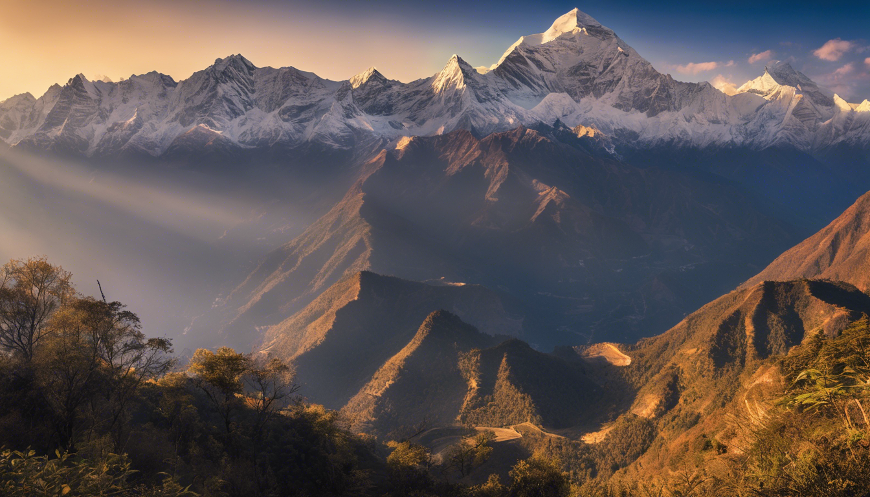
The Annapurna Circuit trek takes you from subtropical forests to high-altitude deserts, with views of the Annapurna range. The route passes through villages where you can learn about local customs and daily life.
In this guide, you'll find everything you need to know to plan your Annapurna Circuit trek. We'll cover essential gear, physical preparation, accommodation options, and safety considerations. You'll also learn about route variations, dealing with altitude, cultural etiquette, and photography tips. By the end, you'll be well-equipped to tackle this incredible trek and make the most of your time in Nepal's stunning Himalayan region.
Choosing Your Trekking Route: Variations of the Circuit
The Annapurna Circuit offers various trekking options to suit your preferences and time constraints. You can choose from the classic route, add exciting side trips, or opt for shortened versions. Let's explore these variations to help you decide which one fits your adventure goals.
Classic Annapurna Circuit
The classic Annapurna Circuit can take approximately two to three weeks or more when travelers walk substantial lower sections and include sensible acclimatization and transfers. Modern shortened versions are available because road access reaches closer to the high mountain villages. The highest point is Thorong La (also written Thorung La), 5,416m / 17,769ft. Trekking time depends on where you start and finish and whether you add Tilicho Lake or Poon Hill.
Annapurna Circuit with Side Trips
To enhance your trekking experience, consider adding these popular side trips:
- Tilicho Lake: A 3-4 day detour to the stunning glacial lake at 4,919 meters. It's a challenging but rewarding trek with incredible views.
- Guru Sangpo Cave: A 2-hour 40-minute walk from Larjung, this cave offers a unique spiritual experience with its intriguing rock formations.
- Gangapurna Lake: A short 30-minute walk from Manang village, this young glacial lake provides serene views and photo opportunities.
- Milarepa Cave: Located east of Bhraka, this 2-hour hike takes you to a cave with historical significance and beautiful scenery.
- Ice Lake: A challenging trek near Manang, offering panoramic views of Annapurna III, Gangapurna, and other peaks.
Shortened Versions of the Trek
If you're short on time, consider these condensed options:
- Short Annapurna Circuit: Start from Manang, reducing the trek by 5-6 days. This option is suitable for various fitness levels and still includes the Thorung La Pass crossing.
- 15-Day Annapurna Circuit: A more intense version for fit trekkers who can hike 6-7 hours daily. This route covers the most scenic parts of the circuit in a shorter timeframe.
The difficulty and duration of your trek depend on your route, physical fitness and the season.
Dealing with Altitude on the Annapurna Circuit
As you embark on the Annapurna Circuit trek, you'll face the challenge of high altitudes. Understanding how to deal with altitude is crucial for a safe and enjoyable experience.
Understanding altitude sickness
Altitude sickness, or Acute Mountain Sickness (AMS), can occur above 2,500 meters. It's caused by the lack of oxygen at higher elevations. Symptoms include headaches, nausea, dizziness, and fatigue. Don't ignore these signs, as they can lead to more serious conditions.
Acclimatization strategies
To prevent altitude sickness, follow these strategies:
- Ascend gradually: Limit your daily altitude gain to 300-500 meters.
- Take rest days: Plan a rest day every 600-900 meters of elevation gain.
- Stay hydrated: Drink plenty of water to combat dehydration.
- Eat well: Focus on carbohydrates, which are easier to digest at high altitudes.
- "Climb high, sleep low": Ascend during the day and descend slightly for sleep.
- Listen to your body: If you feel unwell, communicate with your trekking team.
Use of medications like Diamox
Diamox (acetazolamide) can help prevent and alleviate altitude sickness symptoms. It works by stimulating breathing and increasing blood oxygen levels. However, it's not a substitute for proper acclimatization.
Before taking Diamox:
- Consult a healthcare professional
- Be aware of potential side effects like frequent urination and tingling sensations
- Consider alternative treatments and acclimatization techniques first
Remember, acclimatization is a gradual process that can't be rushed. By following these strategies and staying alert to your body's signals, you'll be better prepared to tackle the altitude challenges of the Annapurna Circuit.
Nepali Language and Cultural Etiquette for Trekkers
As you embark on the Annapurna Circuit trek, understanding Nepali language basics and cultural etiquette will enhance your experience and help you connect with locals. Here's what you need to know:
Basic Nepali phrases for trekking
Learning a few key phrases will go a long way in showing respect and building rapport:
- "Namaste": The universal greeting, meaning hello or welcome
- "Dhanyabad": Thank you
- "Khana": Food
- "Pani": Water
- "Jhola": Backpack
- "Tarca": Flashlight
- "Nadii": River
- "Pahada": Mountain
Use these words to communicate your needs, express gratitude, and navigate your surroundings.
Packing list for the Annapurna Circuit
Your backpack is your lifeline on the trek. Opt for a 35-50 liter capacity pack like the Osprey Stratos 50. Here's a rundown of essential items:
- Sleeping bag: Choose a warm, lightweight option like the Therm-A-Rest Vesper 32F.
- Clothing: Pack thermal layers (Icebreaker Merino 175), hiking shirts and pants, warm jackets (fleece and down), and rain gear.
- Footwear: Bring trail running shoes (Altra Lone Peak 6), hiking socks, and flip-flops for rest stops.
- Accessories: Don't forget a headlamp, water bottle, microfiber towel, dry bag, sunglasses, and a buff for neck protection.
- Personal items: Include toiletries, a first-aid kit, and any necessary medications.
Remember, your porter's bag should be a duffel, not a suitcase or rucksack.
Training and acclimatization
Physical preparation is crucial for enjoying the trek. The Annapurna Circuit involves continuous hiking for 10+ days, often on stairs, covering distances of 6-15km daily. To prepare:
- Focus on stair training and hill walks.
- Gradually increase your backpack weight in training.
- Aim for 3-5 hour hikes once a week, plus additional cardio sessions.
- Practice multi-day hikes to build endurance.
Acclimatization is vital as you'll be trekking at high altitudes. Choose an itinerary that allows time for your body to adjust to the lower oxygen levels.
Health and travel insurance
Before your trek:
- Visit your GP to get altitude sickness medication and other necessary prescriptions.
- Obtain comprehensive travel insurance that covers high-altitude trekking and helicopter evacuation.
- Register your insurance details with your trekking company upon arrival in Nepal.
Remember, proper preparation is key to a safe and enjoyable Annapurna Circuit experience. Start your training early and pack smartly to make the most of this incredible adventure.
Accommodation and Food on the Trek
On the Annapurna Circuit Trek, you'll find a variety of accommodation options and delicious meals to fuel your journey. As you trek through the stunning landscapes, you'll have the opportunity to experience the warm hospitality of the local people and savor traditional Nepali cuisine.
Types of teahouses and lodges
Teahouses and lodges are the primary accommodation options along the Annapurna Circuit. These family-run establishments offer simple yet comfortable rooms for trekkers. You'll typically find twin-shared bedrooms with basic amenities such as warm blankets, pillows, and bedsheets. In some areas, you might even come across more luxurious options like the Ngawal Mountain House or the Japanese-inspired Tanpopo in Marpha.
Bathrooms are usually shared, with Western-style toilets in lower altitude areas and traditional squat toilets in more remote locations. Hot showers are available in some lodges, though you may need to pay extra for this luxury in teahouses.
Typical Nepali and trekkers' meals
The food along the Annapurna Circuit is hearty and designed to keep you energized for your trek. You'll find a mix of traditional Nepali dishes and trekker-friendly options:
- Breakfast: Start your day with Tibetan bread, chapati, toast, eggs, hash brown potatoes, and hot beverages like tea or coffee.
- Lunch and Dinner: The most popular dish is Dal Bhat, a traditional Nepali meal consisting of rice, lentils, vegetables, and sometimes meat. Other options include momos (dumplings), thukpa (noodle soup), and even Western-style dishes like pizza and burgers in some larger teahouses.
- Snacks: Keep your energy up with biscuits, chocolate, and fruit available at various stops along the trail.
Water safety and purification
Staying hydrated is crucial during your trek, but it's essential to ensure your water is safe to drink. Here are some options for obtaining clean water:
- Boiled water: Available at teahouses for a small fee.
- Water filling stations: Found along some parts of the Annapurna Circuit, offering safe water at a lower cost than bottled water.
- Purification methods: Use water purification tablets, UV light devices like SteriPen, or portable water filters to treat water from streams or taps.
Drink regularly and monitor thirst, effort and urine output rather than forcing an identical 3–4 liters on every trekker each day. Water needs vary with altitude, weather and exercise. Use filtered, boiled or properly treated water, avoid untreated stream or tap water, and ask your guide about safe water sources. Excessive water intake without sufficient salts may be harmful.
Challenges and Safety Considerations
The Annapurna Circuit trek presents unique challenges that you need to be aware of to ensure a safe and enjoyable experience. Understanding these risks and taking appropriate precautions is crucial for your well-being during the trek.
Altitude sickness prevention and symptoms
Altitude sickness is a significant concern when trekking in the Annapurna region. As you ascend above 2,500 meters, your body needs time to adjust to the decreasing oxygen levels. To prevent altitude sickness:
- Ascend gradually, limiting your daily altitude gain to 300-500 meters
- Take rest days every 600-900 meters of elevation gain
- Stay hydrated and maintain a healthy diet
- Avoid alcohol and smoking
Be alert for symptoms such as headaches, dizziness, nausea, and difficulty breathing. If you experience these symptoms, stop ascending and consider descending if they worsen.
Weather-related risks
The Annapurna Circuit's weather can be unpredictable, posing various challenges:
- Lower regions may experience heavy rainfall
- Higher altitudes can see unexpected snowfall
- Monsoon season increases the risk of landslides
To mitigate these risks:
- Check weather forecasts regularly
- Be prepared with appropriate clothing and gear
- Consider trekking during spring (March to May) or autumn (September to November) for more stable weather conditions
Emergency evacuation procedures
In case of severe altitude sickness or other emergencies, helicopter evacuation may be necessary. To ensure your safety:
- Purchase comprehensive travel insurance that covers high-altitude trekking and helicopter evacuation
- Register your insurance details with your trekking company upon arrival in Nepal
- Familiarize yourself with emergency protocols and communication methods
Remember, your safety is paramount. If you experience severe symptoms or feel unsafe, don't hesitate to seek help or consider aborting your trek. Proper preparation and awareness of these challenges will help you have a safer and more enjoyable Annapurna Circuit experience.
Cultural dos and don'ts
Respecting local customs is crucial for a harmonious trek:
- Remove shoes before entering homes or temples
- Dress modestly, especially in religious places and remote areas
- Seek permission before photographing people or religious artifacts
- Avoid touching sacred objects like mani walls, and flags, and shortens
- Be mindful of dietary restrictions; many Hindus are vegetarian, and beef is often prohibited
Interacting with locals and guides
Engaging with locals and guides can enrich your trekking experience:
- Greet people with "Namaste" and a smile
- Use respectful terms like "Dai" (brother) or "Didi" (sister) when addressing locals
- Be open to invitations to join local events or celebrations
- Follow your guide's lead in cultural situations
- Show appreciation for hospitality; it's a cornerstone of Nepali culture
Remember, small gestures of respect and cultural sensitivity can make a big difference. By learning basic Nepali phrases and following local customs, you'll create meaningful connections and gain a deeper appreciation for the rich culture along the Annapurna Circuit.
Photography Tips for the Annapurna Circuit
The Annapurna Circuit offers a wealth of photographic opportunities, from stunning landscapes to cultural encounters. To make the most of your trek, consider these tips for capturing the beauty of this iconic route.
Best viewpoints and photo opportunities
The Annapurna Circuit is filled with breathtaking vistas and unique scenes. Some standout locations include:
- Syange Waterfall: A multi-step waterfall that's perfect for long-exposure shots.
- Chamche Waterfall: An impressive cascade that can be enhanced with a human subject for scale.
- Timing Suspension Bridge: Capture the fall colors and dramatic scenery.
- Manang Stream: Frame Gangapurna Mountain with the flowing water in the foreground.
- High Camp Viewpoint: Offers panoramic views, but exercise caution due to the steep drop-offs.
- Marpha: A photographer's paradise for street photography and cultural shots.
Camera gear for trekking
Choosing the right equipment is crucial for a successful photography trek:
- Lenses: A versatile zoom like 24-105mm can cover most situations. Consider adding a wide-angle (16-35mm) and a telephoto (70-200mm) if you can manage the weight.
- Filters: Pack a polarizer and a few neutral-density filters for long exposures.
- Tripod: Essential for low-light and night photography, but consider weight constraints.
- Batteries and memory cards: Bring more than you think you'll need, as charging opportunities may be limited.
- Camera clip: A Peak Design clip can secure your camera to your backpack strap for easy access while hiking.
Ethical photography practices
Respect for local culture and the environment is paramount:
- Always ask permission before photographing people, especially the elderly.
- Be mindful of religious sites where photography may be forbidden.
- Avoid exploitative or intrusive photography of locals.
- Consider whether you'd be comfortable if someone took a similar photo of you or your family.
- Respect the natural environment and don't disturb wildlife for a shot.
By following these tips, you'll capture stunning images while maintaining a positive relationship with the local communities and preserving the beauty of the Annapurna Circuit for future trekkers.
Post-Trek Activities in Pokhara and Kathmandu
After completing the challenging Annapurna Circuit trek, you'll want to unwind and explore the vibrant cities of Pokhara and Kathmandu. These urban centers offer a perfect blend of relaxation and cultural experiences to round off your Nepalese adventure.
Relaxation and recovery options
Your body deserves some pampering after the rigorous trek. In Pokhara, you'll find excellent massage options to soothe your tired muscles. Malama Spa comes highly recommended, but Seeing Hands is another favorite among trekkers. These spas offer skilled therapists who understand the unique needs of hikers, helping them recover and rejuvenate.
For a more tranquil experience, head to Begnas Lake. This serene freshwater lake changes color with the seasons and provides a peaceful atmosphere for relaxation. You can enjoy a quiet boat ride or simply sit by the shore, taking in the beautiful surroundings and reflecting on your trekking journey.
Sightseeing in Pokhara
Pokhara is a treasure trove of natural beauty and cultural sites. Start your exploration at Phewa Lake, the second-largest lake in Nepal. Here, you can hire a boat and paddle at your own pace, enjoying the warm water below and the sun above. The lake offers stunning views of the Annapurna range, especially beautiful during sunrise and sunset.
Don't miss the spectacular Devi's Fall, where the Pardi Khola stream vanishes underground, creating a unique natural phenomenon. Nearby, you'll find the Gupteshwor Mahadev Cave, an intriguing underground cave system that's worth exploring.
For panoramic views of Pokhara and the surrounding mountains, visit the World Peace Pagoda. The hike up offers scenic stops and local coffee shops along the way, making it a perfect blend of exercise and relaxation.
Exploring Kathmandu Valley
Your post-trek adventure continues in Kathmandu, the vibrant capital city. While the traffic can be challenging, the city's rich culture and history make it worth exploring. Visit the International Mountain Museum to learn about indigenous cultures and mountaineering history in Nepal.
For a break from the city's hustle, take a day trip to Bhaktapur, just a two-hour bus ride from Kathmandu. This ancient city showcases exquisite Newar architecture and culture, offering a glimpse into Nepal's rich heritage.
If you're seeking fresh air and tranquility, consider a day trek to Chitlang and Markhu. These nearby destinations offer a peaceful lake and hiking trails, providing a refreshing contrast to Kathmandu's urban environment.
Conclusion
The Annapurna Circuit trek offers an unforgettable journey through Nepal's stunning landscapes and rich cultural heritage. From rugged mountain passes to serene lakes, this adventure has an impact on both body and soul. The careful planning, physical preparation, and cultural sensitivity discussed in this guide are essential to making the most of this extraordinary experience.
To wrap up, the Annapurna Circuit is more than just a trek; it's a chance to challenge yourself, connect with nature, and gain a deeper understanding of Nepali culture. Whether you're capturing breathtaking photos, savoring local cuisine, or simply soaking in the majestic views, this journey promises memories that will last a lifetime. So lace up your boots, pack your backpack, and get ready to explore one of the world's most iconic trekking routes.
Comparing Annapurna Circuit to Other Popular Nepal Treks
When planning your Himalayan adventure, you might find yourself torn between the Annapurna Circuit and other popular treks in Nepal. Let's explore how this iconic route compares to some of its counterparts.
Annapurna Circuit vs Everest Base Camp
While both treks offer breathtaking mountain scenery, there are notable differences between the Annapurna Circuit and the Everest Base Camp (EBC) trek. The Annapurna Circuit is generally longer, taking 12-16 days to complete, compared to the EBC trek's 12-14 day duration. However, the Circuit offers more flexibility in terms of itinerary length.
The Annapurna Circuit reaches Thorong La at 5,416m. Everest Base Camp is approximately 5,364m, while the commonly visited Kala Patthar viewpoint is higher, around 5,545m. Comparing only a single peak elevation does not describe the overall difficulty: walking days, overnight altitude, high-pass exposure, weather and acclimatization all matter.
The normal Everest Base Camp trek often uses a flight to Lukla, though road-based approaches are also possible; flight prices and departure airports can change. The Annapurna Circuit is reached mainly by road, typically using the Besisahar–Dharapani–Chame corridor when conditions permit. Both journeys require reliable transport contingency plans, especially after monsoon damage or highway disruptions.
In terms of scenery, the Annapurna Circuit offers more diverse landscapes, from subtropical forests to arid high-altitude deserts. You'll also experience a wider variety of cultures and traditional village life. The EBC trek, while offering stunning views of Everest, follows more of an out-and-back route, meaning you'll retrace some of your steps.
Differences from the Annapurna Sanctuary Trek
The Annapurna Sanctuary Trek, also known as the Annapurna Base Camp (ABC) trek, is another popular option in the region. This trek is shorter and easier than the Annapurna Circuit, typically taking 7-10 days to complete. The highest point on the ABC trek is 4,130 meters (13,550 feet), making it less challenging in terms of altitude.
While the Annapurna Circuit takes you on a journey around the entire Annapurna massif, the Sanctuary Trek leads you into the heart of it. The ABC trek's goal is to reach the Annapurna Base Camp, surrounded by a natural amphitheater of towering peaks. In contrast, the Circuit's objective is to complete a loop around the range.
The Sanctuary Trek doesn't involve crossing any high passes like the Thorong La on the Circuit. This makes it a good choice for those new to high-altitude trekking or those with less time available.
Unique features of the Annapurna Circuit
What sets the Annapurna Circuit apart is its incredible diversity. You'll experience a wide range of landscapes, climates, and cultures as you trek around the Annapurna range. The Circuit takes you through Hindu villages in the lower regions and Buddhist communities in the higher areas, offering a rich cultural experience.
One of the Circuit's highlights is crossing into the Mustang region, which feels more like Tibet than the rest of Nepal. You'll also have the opportunity to see several of the world's highest peaks, including Annapurna II (7,937m), Dhaulagiri (8,167m), and Machhapuchhre (6,993m).
The Annapurna Circuit also offers exciting side trips, such as visiting Tilicho Lake or climbing Poon Hill for sunrise views. These detours allow you to customize your trek and add extra adventure to your journey.
Road expansion has changed sections of the historic circuit, particularly on the lower Manang and Kali Gandaki sides. Depending on the section, trekkers may choose alternative walking routes away from vehicle traffic. However, flood damage and seasonal roadworks can alter access unexpectedly. The drive to Chame and return from Muktinath must be verified for the exact departure date; neither a particular jeep road nor Thorong La is guaranteed open every day.
The Annapurna Circuit combines varied landscapes with visits to mountain communities. Choose a route and pace that suit your experience, fitness and available time.
The 11-Day Short Annapurna Circuit: Day-by-Day Outline
Amigo's 11-day trek generally uses a private jeep from Kathmandu toward Chame, then hikes through Pisang and Manang, crosses Thorong La and finishes by road via Pokhara. This saves lower-valley walking days, but it also puts trekkers at high elevation relatively early. The following is the current catalog outline, not a promise of driving or pass conditions on a specific future date.
| Day | Main stage | Altitude or planning note |
|---|---|---|
| 1 | Arrive in Kathmandu | Overnight in Kathmandu |
| 2 | Drive from Kathmandu toward Chame | Chame approx. 2,670m; road access must be confirmed |
| 3 | Walk to Lower Pisang | Approx. 3,200m |
| 4 | Walk via Humde and Braga to Manang | Approx. 3,540m |
| 5 | Acclimatization day in Manang | Local walk and return to the same sleeping elevation |
| 6 | Manang to Yak Kharka | Approx. 4,050m |
| 7 | Yak Kharka to Thorong Phedi or High Camp | Published package lists High Camp ~4,833m; a significant sleeping-altitude gain |
| 8 | Cross Thorong La to Muktinath | Pass 5,416m; early start and long descent |
| 9 | Drive to Pokhara | Via current legal and passable road routes |
| 10 | Return to Kathmandu | Overland as arranged, flight upgrade on request |
| 11 | Departure | Transfer to the international airport |
Important acclimatization consideration: From Yak Kharka (about 4,050m) to a published High Camp sleeping stop at about 4,833m is an increase of approximately 783m in sleeping elevation, which exceeds the often-recommended 500m/day guideline above 3,000m. Using Thorong Phedi instead, a slower approach or another acclimatization night may be safer for some trekkers, but the actual route should be assessed by the guide and a travel-medicine professional. The CDC's altitude guidance recommends limiting sleeping-altitude increases above 3,000m when feasible, with periodic rest days. A short package is not a medical guarantee.
Annapurna Circuit Road Access and Thorong La Status (October 2026)
Road and trail access have been affected by recent floods, repair works and high-mountain snow. An early-October 2026 trail report said trekkers could reach Chame and described a pass crossing in early October, but separate reports have noted road interruptions beyond Chame and on the Kali Gandaki side. Those are dated observations—not live guarantees for your dates.
Before committing to a specific drive or attempting Thorong La, Amigo should check with the relevant conservation office, licensed local guide, transport operator, weather service and high-pass lodges. Plan for an alternative walking trail, a delayed departure or a change to your itinerary when conditions demand it. It is particularly risky to advertise Kathmandu–Chame driving hours as fixed in every season.
Annapurna Circuit Permits and Trekking Guide Rules
Nepal Tourism Board's revised TIMS card and licensed-guide requirements explicitly lists the Annapurna Circuit Trek. Under the current published system, travelers on covered routes should be accompanied by a licensed trekking guide and obtain a trekking-agency-issued TIMS eCard. The TIMS fee is currently NPR 1,000 for SAARC and NPR 2,000 for other foreign trekkers; confirm nationality-specific requirements before departure.
For the Annapurna Conservation Area (ACAP), the official NTNC permit system lists NPR 1,000 for SAARC nationals and NPR 3,000 for other foreign visitors, including tax. Nepal Tourism Board's park fee table also shows the appropriate Nepali and child categories. The public Amigo Circuit packages list required trekking permits as included; do not add the fees a second time unless your customized quotation says they are excluded.
Thorong La Crossing: What Makes the Pass Day Difficult?
Most groups spend time in Manang, then sleep at one or more high camps before making an early attempt at the pass. From Thorong Phedi to 5,416m, the route climbs in cold, thin air; after the top, the descent toward Muktinath can be long and rough on the knees. The full pass day often takes eight to ten hours, but that is not a service guarantee: pace, snow, trail condition and the starting lodge all affect timing. Turning back before the pass is sometimes the safest option.
- Set out only with an experienced guide's assessment of weather, pass status and the health of every trekker.
- Do not ascend to sleep higher with suspected altitude illness; severe breathlessness, confusion or loss of coordination requires urgent descent and medical attention.
- Carry insulated layers, windproof protection, gloves, headlamp, sun protection and enough food and treated water for a long day.
- Avoid an itinerary with no buffer for pass closure, slow acclimatization or vehicle delays.
- Have appropriate travel insurance covering trekking and emergency evacuation at least up to 5,416m; availability of helicopter rescue is weather-dependent.
Which Amigo Annapurna Circuit Package Fits You?
| Published program | Starting price | Best reason to consider |
|---|---|---|
| 11-Day Short Annapurna Circuit | US$1,090 per person | Limited time, with explicit attention to rapid ascent and road contingencies |
| Extended Annapurna Circuit | US$1,450 per person | Longer route with lower valleys; confirm published total days |
| 15-Day Tilicho and Circuit | US$1,414 per person | Adds Tilicho Lake but increases high-altitude walking and time exposure |
| 16-Day Luxury Circuit | US$2,970 per person | Upgraded city and lower-trail lodging, still basic facilities near the high pass |
The trip that fits best is not necessarily the cheapest or shortest. The shorter trip drives closer to high altitude while longer options offer more varied trail experience. The Tilicho detour should be assessed separately for weather, rockfall and current access. No Amigo package guarantees that Thorong La will remain passable on every planned crossing day.
More Annapurna Circuit Planning FAQs
How high is Thorong La Pass?
Thorong La is approximately 5,416m / 17,769ft. It is a high trekking pass, not a technical summit, and requires good acclimatization and weather assessment.
Can I drive from Kathmandu to Chame in one day?
Amigo's 11-day itinerary plans a jeep transfer toward Chame, but travel time and road access depend on the condition of the Besisahar–Chame corridor. Check the road immediately before leaving.
Do I need a guide on the Annapurna Circuit?
Nepal Tourism Board explicitly lists Annapurna Circuit under the revised licensed-guide and agency-issued TIMS system. Use a government-registered trekking agency for your arrangements.
How much do ACAP and TIMS cost?
Current published foreigner rates are NPR 3,000 for ACAP and NPR 2,000 for TIMS, while qualifying SAARC rates are NPR 1,000 each. Amigo's guided packages already list required permits as included.
Is the 11-day circuit safer or easier than the extended trek?
Not automatically. Faster road access reduces hiking days but may accelerate altitude gain, and a high-camp overnight can exceed recommended daily sleeping-altitude increases. Discuss a modified schedule.
Is it safe to sleep at Thorong High Camp?
Suitability depends on your acclimatization, symptoms and weather. The 11-day catalog shows a notable Yak Kharka-to-High Camp sleeping gain; an additional night or lower sleeping option may be appropriate.
Does the Circuit include Annapurna Base Camp?
No. The Annapurna Circuit crosses the Manang–Mustang side by Thorong La. The separate ABC trek enters the Annapurna Sanctuary and reaches 4,130m.
Can I visit Tilicho Lake on the standard Circuit?
Tilicho Lake is an optional detour with additional trekking days, higher exposure and independent weather constraints. Choose a package explicitly including it.
When is the best time for the Circuit?
Spring and autumn often provide more usable pass windows. Snow and wind can make Thorong La dangerous or impassable at any time, particularly in winter.
Is Jomsom to Pokhara transport guaranteed?
No. Road and scheduled flight options may be disrupted by weather, landslides, airport operations or road repairs. Ask which transport is actually included in the chosen tour.
FAQs
Is a guide required for the Annapurna Circuit trek? Yes, a licensed guide is mandatory for the Annapurna Circuit trek. Regulations effective from April 1, 2023, stipulate that trekkers must employ a government-certified guide and cannot trek solo to Thorong La Pass.
This is not a trek that stays below 3,000m. It includes Manang at roughly 3,540m, progressively higher overnight stops, and the 5,416m Thorong La crossing. It demands several days of hill walking, meaningful acclimatization and readiness for high winds, snow, cold and a long descent to the Mustang side.
Are there shower facilities available on the Annapurna Circuit? While hot showers are not guaranteed daily, some lodges along the Annapurna Circuit offer solar-powered showers. In other locations, you might only find a bucket of hot water available for a fee.
Supporting source material
Source article
Annapurna Circuit Trek for Beginners 2026/27: Fitness, Route & Thorong La
Annapurna Circuit Trek for beginners: detailed 2026/27 guide to Thorong La 5,416m, acclimatization, trekking fitness, 11-day and classic ro…
Read source articleSource article
Annapurna Circuit Trek: Know Before You Go (2027 Guide)
The Annapurna Circuit Trek is a popular trekking route in Nepal’s Annapurna region that takes trekkers through some of the Himalayas’ most breathtaking landscapes. This trek...
Read source articleSource article
Annapurna Circuit Trek 2026/27: Updated Route, Comfort & Cost
Amigo's updated Annapurna Circuit Trek for 2026/27: route choices, 11-day Short Circuit, permit fees, Chame road access, Thorong La safety…
Read source article