Annapurna Circuit Trek 2026/27: Updated Route, Comfort and Planning Advice
Reviewed 10 October 2026. This article explains the practical changes to Amigo’s Annapurna Circuit: jeep-supported access, selected lodge upgrades, a longer scenic finish and the decisions that matter around Thorong La. We have retained the original detailed descriptions and all photographs. For a complete trekking reference, see the Annapurna Circuit Trek Guide; first-time Himalayan trekkers may prefer the Circuit guide for beginners.
Choose Your Annapurna Circuit Itinerary for 2026/27
| Amigo tour | Current starting price | What changes |
|---|---|---|
| Short Circuit — 11 days | US$1,090 per person | Private jeep approach toward Chame; faster altitude gain |
| Extended Annapurna Circuit | US$1,450 per person | More village and walking stages; published 19/20-day discrepancy |
| Circuit and Tilicho Lake — 15 days | US$1,414 per person | Adds the Tilicho side journey and high-altitude exposure |
| Luxury Annapurna Circuit — 16 days | US$2,970 per person | Upgraded city/lower-trail stays but basic facilities near the pass |
These are published starting-from prices, not confirmed departure availability. Comparing just the total days overlooks the most important differences: walking stages, vehicle access, height gained between overnight stops, accommodation and the opportunity to change plans if the weather closes Thorong La.
The extended tour currently says 19 days in the catalog heading but has 20 numbered daily stages. We have not silently deleted either. Until the product page is reconciled, ask for a confirmed schedule showing exactly when the trip starts and ends.
For those who have known Nepal only for Everest and its base camp trek, Amigo Treks and Expedition would like to introduce one of the most accessible and rewarding alternatives, Annapurna Circuit Trek – a journey that offers breathtaking landscapes, rich cultural experience and Himalayan vistas that will embed in your memory like a timeless melody that plays every time you recall the beauty of the Himalayas.
What Is the Annapurna Circuit Trek?
The key to understanding the Annapurna Circuit Trek lies in knowing the Annapurna Massif.
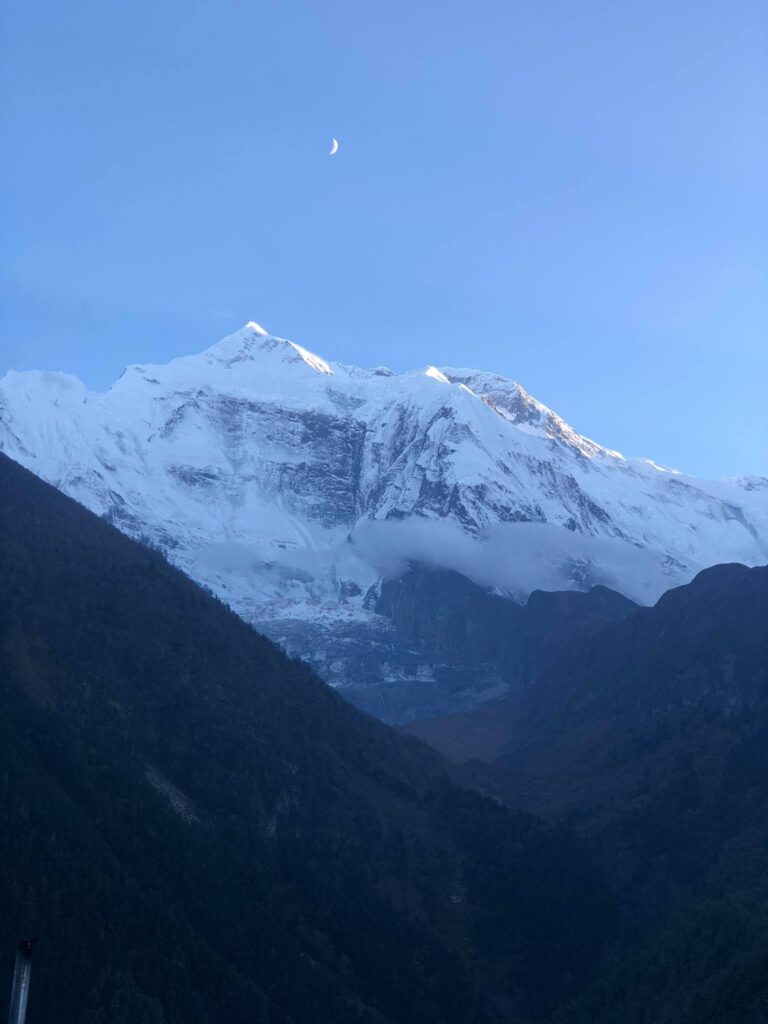
Annapurna massif is a compact group of mountains that accommodating the 10th highest peak in the world- Annapurna I (8,091m), provides home to several other prominent peaks, such as Annapurna II (7,937m), Annapurna III (7,555m), Annapurna IV (7,525m), Annapurna South (7,219m), Gangapurna (7,455m), Machhapuchhre(6,993m), as well as Hiunchuli (6,441m). The highest point of this massif is the summit of Annapurna I, that is 8,091m above sea level and for this reason this vast mountain range is also known as the Annapurna I mountain range.
Thus, Annapurna Circuit Trek is a walking journey around this beautiful massif. It’s a multi-day, high-altitude trekking route that makes trekkers circumambulate this massif. The highest point of this trek is 5,416 meters at Thorung La Pass, which is also one of the highest mountain passes in the world.
Where is the Annapurna Circuit Trek located & where does the Annapurna Circuit Trek start?
Where is the Annapurna Circuit Trek located, and where does the Annapurna Circuit Trek start?
Annapurna Circuit Trek is located in north-central Nepal (Gandaki Province), within the Annapurna Conservation Area. Being one of the longest trekking trails in Nepal, the trail goes through Lamjung and Manang district- running along the Marsyangdi River, before descending to Mustang and Myagdi district -running along the Kali Gandaki River.
The classic Annapurna Circuit trek typically begins in Besisahar or Bhulbhule and gently ascends through diverse landscapes – terraced fields and lush subtropical forests to alpine valleys and eventually to the high mountain pass. However, the extension of road networks up to Manang has significantly altered the traditional Annapurna Circuit trekking route. Hence, these days the starting point of the trek varies depending on how many days you plan to spend on the journey and how far you want to avoid the motorable road. The most common present-day starting points are Jagat (1,300m), Dharapani (1,860m) or Chame (2,670m).
Annapurna Circuit Trek is one of the long distance treks in Nepal. But how long does Annapurna Circuit Trek take?
Annapurna Circuit Trek distance varies with the choice of route and the starting and the ending point of the trek. For example;
- Starting Besisahar and finishing in Jomsom the distance will be around 140 kms
- Starting Besisahar and finishing in Ulleri the distance will be around 209 kms
- Starting Jagat and finishing in Jomsom the distance will be around 118 kms
- Starting Jagat and finishing in Ulleri the distance will be around 186 kms
- Starting Dharapani and finishing in Jomsom the distance will be around 110 kms
- Starting Dharapani and finishing in Ulleri the distance will be around 179 kms
- Starting in Chame and finishing in Jomsom the distance will be around 86 kms
- Starting in Chame and finishing in Ulleri the distance will be around 156 kms
Moreover, including Tadapani and Ghandruk in the itinerary will increase the Annapurna Circuit Trek distance by approximately 15 kilometers and adding Tilicho Lake side trip will increase the distance by an extra 30 kilometers.
How many days does Annapurna Circuit Trek take?
There are various factors that affect the duration of the trek.
- If you are planning to end your Annapurna Circuit Trek in Jomsom, and take a flight or a road transportation to Pokhara, the trekking journey takes roughly 11 days (if you start from Besisahar), 9 days (if you start from Jagat), 8 days (if you start from Dharapani) and 7 days (if you start from Chame). Therefore, depending on the start point the Annapurna Circuit trek that ends in Jomsom takes 7-11 days.
- If you are planning a full Annapurna Circuit trek that extends to Ghorepani and Poon Hill, additional 4 days will be required to complete the journey on foot. However, if you want to avoid trekking on a motorable road, an additional 3 days should be enough to complete this trekking journey.
- Planning to visit the Ice Lake in Manang? Add one more day to the itinerary.
- Planning to hike to Tilicho Lake? Add 3 more days to the itinerary
- Whether you are opting for a short Annapurna Circuit Trek or looking for a longer version, this trek perfectly ends with a flight from Jomsom to Pokhara or drive to Pokhara city in Nepal from Jomsom, Ulleri or Ghorepani.
There is no single fixed number of days for the Circuit. Amigo currently offers the 11-day Short Annapurna Circuit, the extended Annapurna Circuit, the 15-day Circuit with Tilicho Lake and the 16-day Luxury Annapurna Circuit. These follow different routes and include different services. The extended package currently has a 19-day label but 20 numbered itinerary days, a discrepancy that must be reconciled before confirming bookings.
How hard is Annapurna Circuit Trek?
The Annapurna Circuit Trek difficulty level is often categorized under moderate to challenging. The trek is moderate because it follows well-established trails, offers gradual altitude gain with opportunities for acclimatization and does not require technical climbing skills. It is challenging because it involves long walking days, steep ascents and descents, demanding altitude, especially at Thorung La mountain pass (5,416m) in Nepal, posing risk of altitude sickness- all of which requires good physical fitness and mental endurance.
For trekkers with a good fitness level and some prior high-altitude hiking experience this trek is a very rewarding experience that offers manageable challenges, breathtaking scenery and a deep sense of accomplishment. However, for physically fit beginners, with careful preparation, proper acclimatization and a gradual pace to safely handle the high altitude and long walking days, this Annapurna Circuit Trek can be made less challenging and an achievable goal.
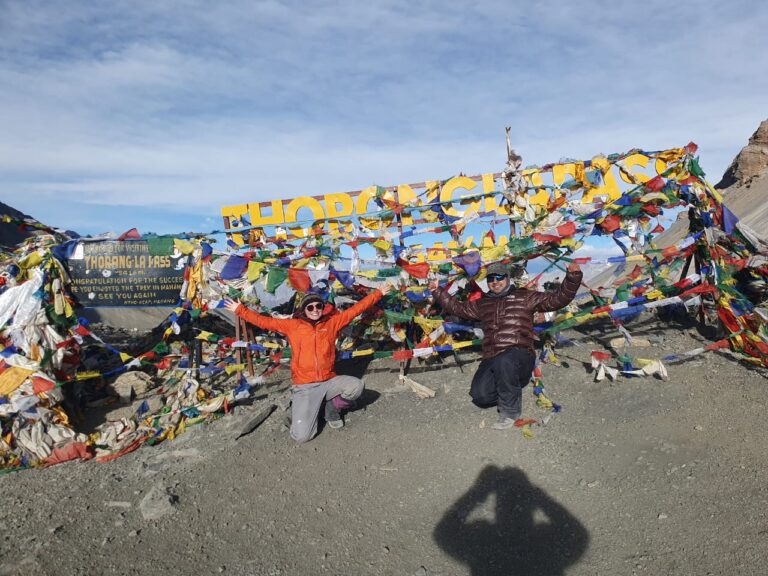
What is the best time to take up the Annapurna Circuit trekking challenge?
Spring (March–May) and autumn (October–November) are generally the preferred seasons for a trek crossing Thorong La. Even in these months, snow, strong winds and sudden storms can make the 5,416m pass unsafe. December, January and February often bring severe cold, deep snow, ice and closures; a run of mild winters does not make winter a reliable or generally safe pass-crossing season. Ask for a departure-specific weather and trail assessment rather than assuming year-round availability.
If best time refers to best visibility, what mountains can I see during the Annapurna Circuit Trek?
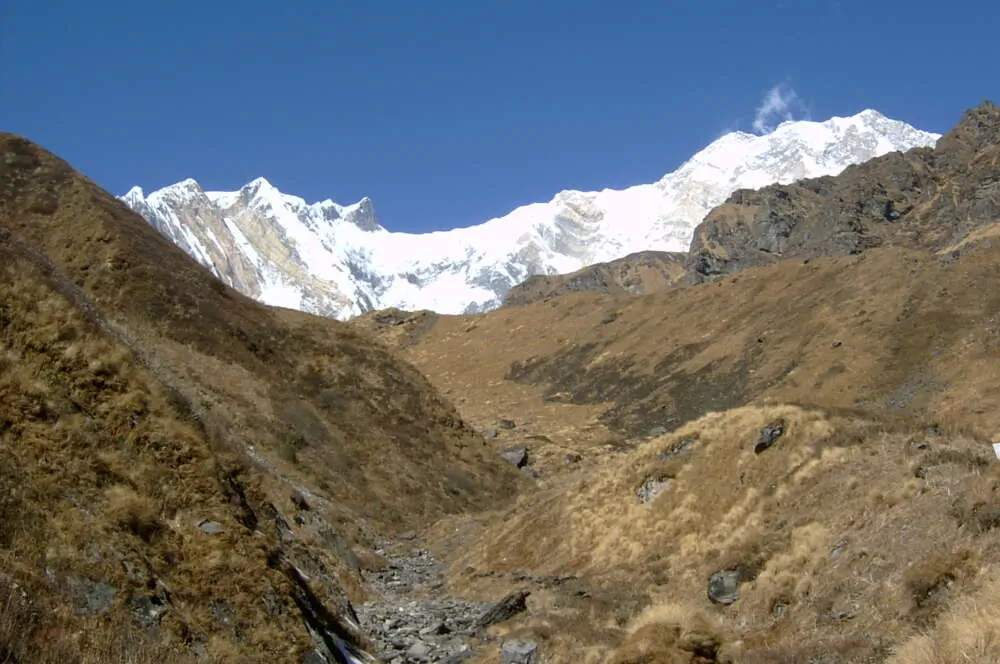
On this trek you are circling not just a mountain, but the entire massif, therefore, during Annapurna Circuit Trek days, the mountain views are ample. However, the most prominent views are of Manaslu, Lamjung Himal, Annapurna-I, II, III, IV, South, Gangapurna, Pisang Peak, Tilicho Peak, Chulu East, Center, West, Tare Kang, Yakwakang, Khangsar, Thorung Peak, Singu Chuli, Tharpu Chuli, Baraha Sikhar Chuli, Nilgiri-south, central north, Dhaulagiri, Tukuche, Hiunchuli, Machhapuchhre, Mardi Himal, Gandarwa Chuli as well as Thapa Peak. These peaks are visible from different sections of the Annapurna Circuit trekking trail.
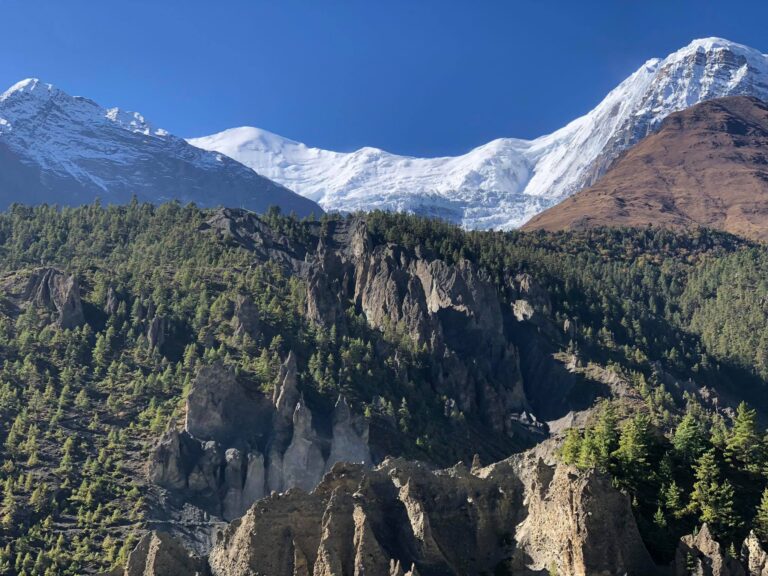
What do Annapurna Circuit Trek accommodation options look like?
Annapurna Circuit accommodation includes locally run teahouses and mountain lodges. Lower settlements such as Chame, Pisang and Manang may have comfortable twin rooms, some with attached bathrooms and optional hot showers. However, attached bathrooms and reliable electricity are not standard in every lodge. At Thorong Phedi, High Camp or Tilicho Base Camp, facilities are usually much simpler and shared rooms may be necessary. Amigo confirms the realistic room category for each overnight stop rather than promising luxury throughout the high route.
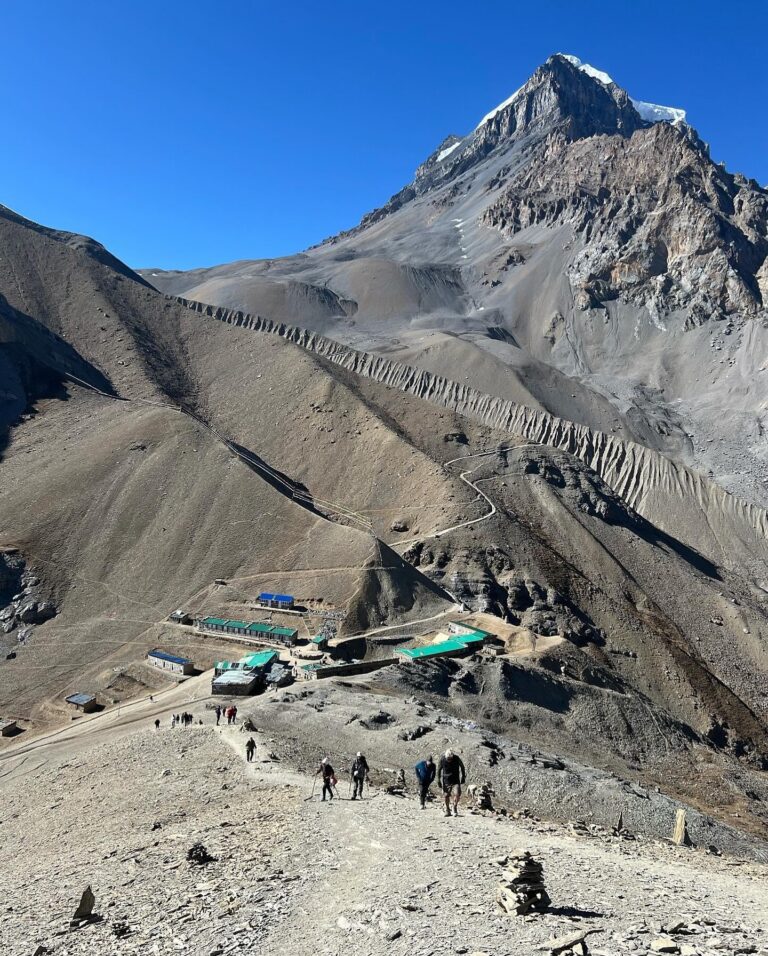
Moreover, for those looking for a premium upgrade, a few nightstops, such as Chame, Pisang, Ngawal, Manang, Muktinath, Jomsom,Tatopani as well as Ghorepani also offer deluxe and luxury upgrades. Thus, if you are planning a luxury Annapurna Circuit Trek escape, you can now plan one.
What are the meal options like on Annapurna Circuit Trek?
The meal options during the Annapurna Circuit Trek are generally hearty, simple and designed to provide energy for trekkers. The menu looks similar across the villages, but the options decrease with the increase in altitude.
Breakfasts during the trek are usually porridge, pancakes, Tibetan bread, chapati, toast with eggs, muesli or cornflakes with milk. Tea or coffee is also served with breakfast.
For lunch and dinner you have the choice of Nepali food options, such as Dal Bhat (which means lentil soup and rice), Thukpa, Momo, Chowmein, Fried Rice, Tibetan bread pizza etc, as well as western inspired dishes, such as Pasta, Veg or cheese sandwiches, burgers, fries as well as instant noodles. For drinks milk tea, black tea, lemon tea, hot lemon with ginger and honey (preferred by most during the trek), and instant or brewed coffee, hot chocolate (at some places) are available.
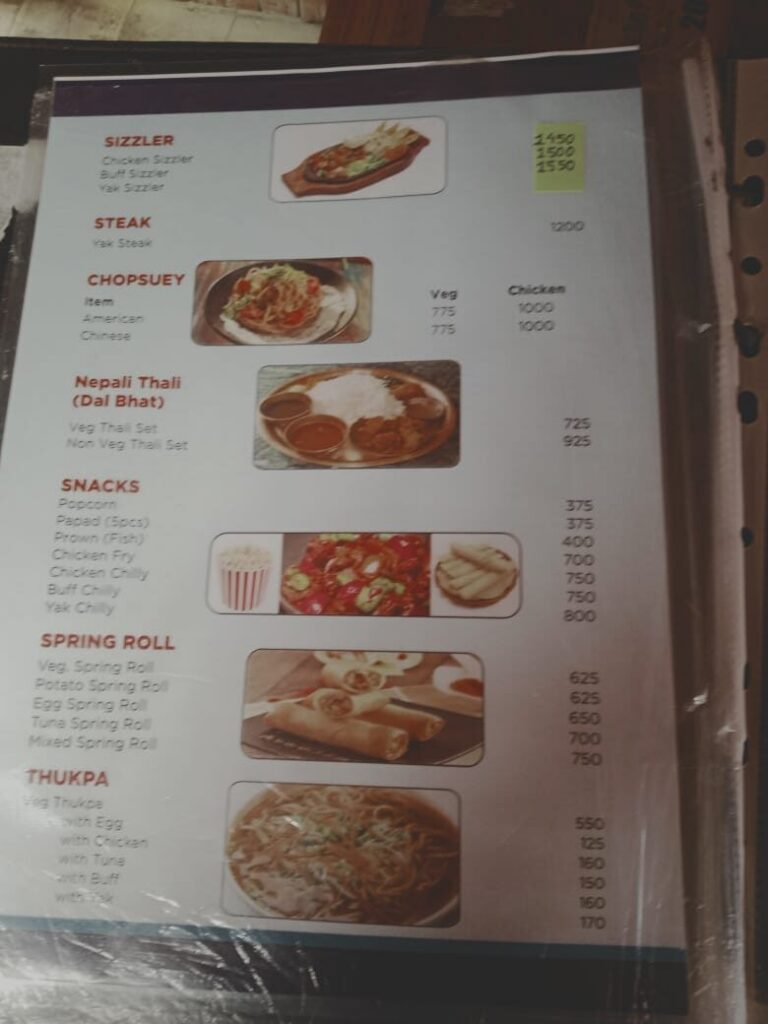
Vegetarian options are widely available and mostly recommended. A typical Nepali meal (Rice, Dal, Curry, Pickle) is the most common vegan and gluten free option available during the Annapurna Circuit Trek. If you have any dietary restrictions, your Annapurna Circuit trek guide will take care of it and will make sure the restricted ones are not served, instead the alternate options are provided.
Is it mandatory to hire an Annapurna Circuit trekking guide for this trek or is it possible to trek independently?
The Annapurna Circuit is best arranged with an appropriately qualified, government-licensed trekking guide. A guide helps with route choices, changing mountain conditions, local communication, permits, teahouse arrangements and organizing assistance when guests need it. Training, language ability and experience vary by individual; a guide is not a doctor and cannot guarantee the pass will be safe or open.
Hence, a company of a person with such skills improves safety and navigation, especially in remote and weather prone areas; makes logistics, permits, and teahouse/lodge bookings easy; provides the knowledge of local culture, trails, side trips and accommodations; helps communicate with local people and provide great support in emergencies.
Nepal Tourism Board’s current guide and TIMS guidance explicitly lists Annapurna Circuit Trek under the licensed-guide and agency-issued TIMS arrangement. Guests traveling alone can still request a private guided departure, but should not assume the route permits unguided trekking. Amigo’s guided packages include the required permits, and group departures can help distribute some trip costs.
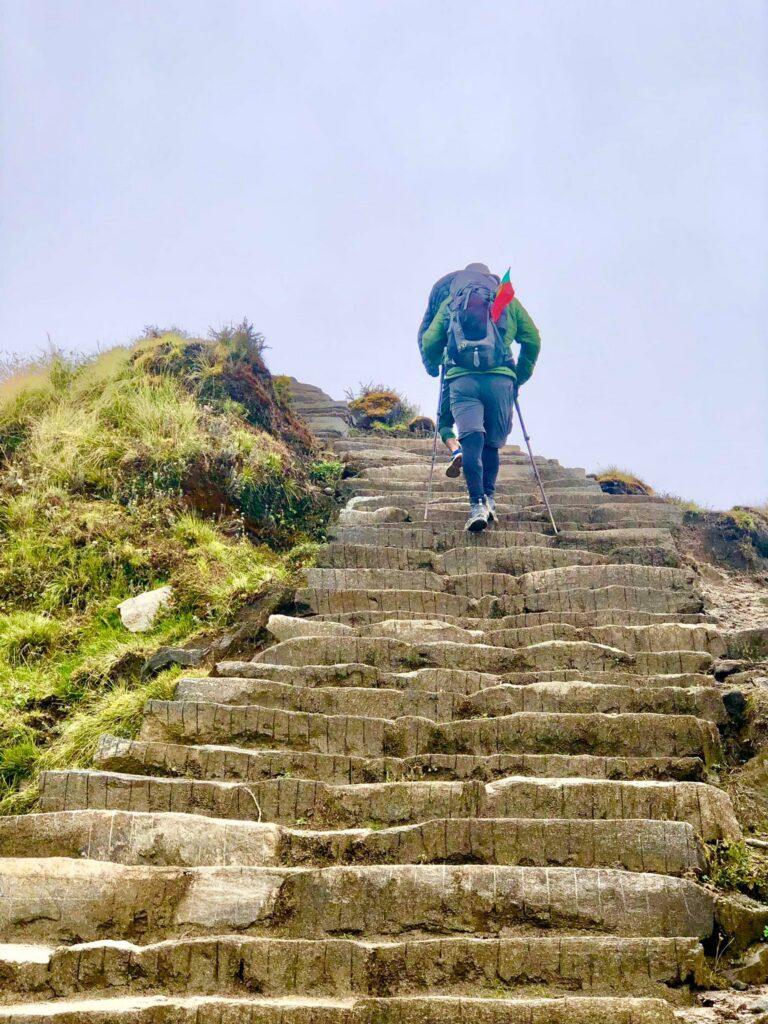
This 2026/27 update explains the appeal and limitations of Amigo’s extended Circuit itinerary, including the drive to Chame, mountain acclimatization, high-pass crossing, cultural villages and time in Pokhara. Important: the public extended trip is labeled 19 days but has 20 numbered itinerary stages, while the historic outline within this article has its own 19-day draft. Confirm the final dates, overnight stops and road sectors directly with Amigo before booking.
- The extended Annapurna Circuit journey starts and finishes in Kathmandu, but the numbered stages in this blog are an illustrative version of the itinerary. The current main trip catalog has a different count—19 days in its title and 20 numbered stages—so the complete departure-to-departure schedule must be confirmed in writing before travel.
Day 01: Arrival in Kathmandu
Day 02: Kathmandu Valley sightseeing tour and trek preparation
Day 03: Drive to Besisahar (760m), (176 km), (7h)
Day 04: Drive to Chame (2,670m/8759ft),(66 km),(5h)
Day 05: Trek to Pisang (3,200m/10,498ft),(15km),(5-6h)
Day 06: Trek to Ngawal via Ghyaru (3,660m/12,007ft),(10km),(5h)
Day 07: Trek to Manang (3,540m/11,614ft),(11km),(5h)
Day 08: Acclimatization day in Manang
Day 09: Trek to Ledar (4200m/13,779ft),(11km),(6h)
Day 10: Trek to Thorung Phedi (4,525m/14845ft),(5km),(2-3h) or High Camp(4,925m/16,158ft),(6km),(3-4h)
Day 11: Trek to Muktinath (3,760m/12,335ft),(15km) (9-10h) via Thorung La Pass (5,416m/17,769ft)
Day 12: Trek to Lubra Valley (2,790m/9,153ft),(7km),(3h) and drive to Tatopani (1,190m/3,904ft),(4h)
Day 13: Drive to Shikha (2h) and trek to Ghorepani (2,880m/9,448ft),(6km),(3-4h)
Day 14: Hike to Poon Hill (3193m/10,475ft) and trek to Tadapani (2630/8628ft),(9km),(6h)
Day 15: Trek to Ghandruk(1940m/6,364ft),(5.5km), (3h)
Day 16: Drive to Pokhara (2-3h)
Day 17: Explore day in Pokhara
Day 18: Drive or fly to Kathmandu
Day 19: Departure day.
- The two nights in Kathmandu before the trek offers more than just a chance to explore the valley and experience its food, culture, history and lifestyle- they also give you ample time to recover from jet lag and take care of any last-minute preparations. You’ll be glad you chose this package, especially if your luggage doesn’t make it on the same flight as you- a situation that’s becoming increasingly common these days. Also, arriving from sea level, you’ll land at 1,300 meters, giving your body a head start on acclimatization and helping you prepare for the higher altitudes ahead.
- If you’re used to smooth, well-paved roads, it’s important to know that road conditions in Nepal can be quite different. Many major highways are still under construction-a situation that has persisted for years and seasonal floods and landslides often affect large stretches of these routes. As a result, long drives of over 7 hours on such roads can be quite exhausting, that also before stating the trek. That’s why our itinerary is thoughtfully designed to take you only as far as Besisahar on the first day, ensuring a more comfortable start to your trekking adventure.
- The road toward Chame is rough in places and vulnerable to landslides, flooding, repair work and temporary closures. Driving time and the accessible endpoint must be checked for each departure. Rapid travel from Kathmandu to Chame (approximately 2,670m) does not in itself ensure safe altitude acclimatization. Operators should plan realistic transfers and consider an alternative trailhead if road conditions change.
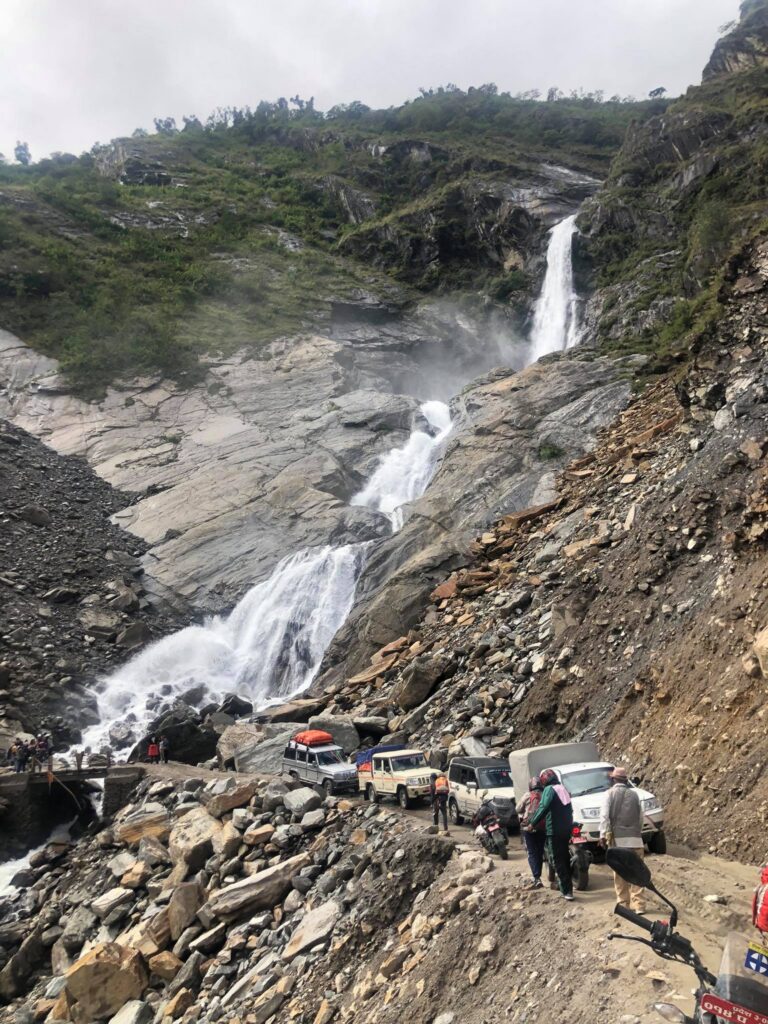
- Successful acclimatization depends on sleeping-altitude changes, not only the height climbed during the day. The CDC’s 2026 high-altitude guidance generally advises limiting sleeping-altitude gain to around 500m per night above 3,000m where feasible, with additional rest nights for further gain. Manang is a useful acclimatization location, but a single rest day cannot guarantee readiness for Ledar, Thorong Phedi or High Camp. The actual plan should be adapted for symptoms and the rate of ascent.
- The town and villages selected for overnight stops in this itinerary are carefully chosen for their wide range of accommodation options, including deluxe and premium lodges, for those seeking a more comfortable or even luxurious stays.
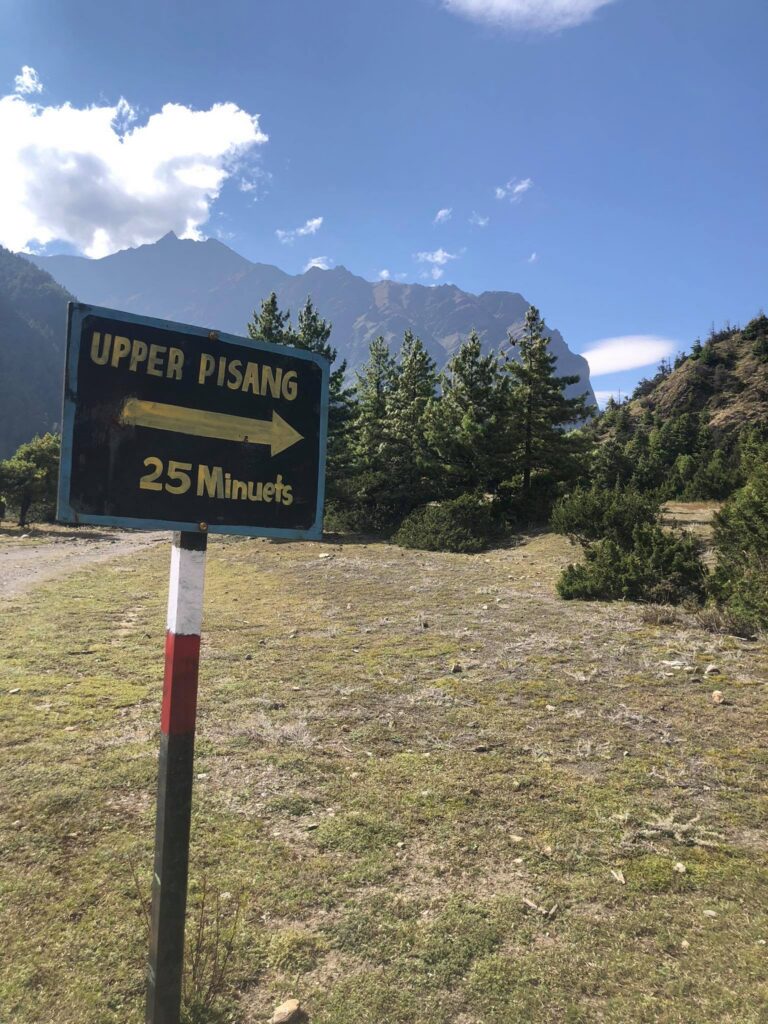
- Amigo can discuss appropriate acclimatization walks around Manang, returning to sleep at a lower elevation. An Ice Lake excursion is challenging and is not suitable for every guest. Thorong Phedi and High Camp should also not be treated as interchangeable overnight choices: High Camp is considerably higher and may exceed a safe sleeping gain for some trekkers. Your guide should determine the plan based on prior altitude exposure, symptoms, weather and route condition.
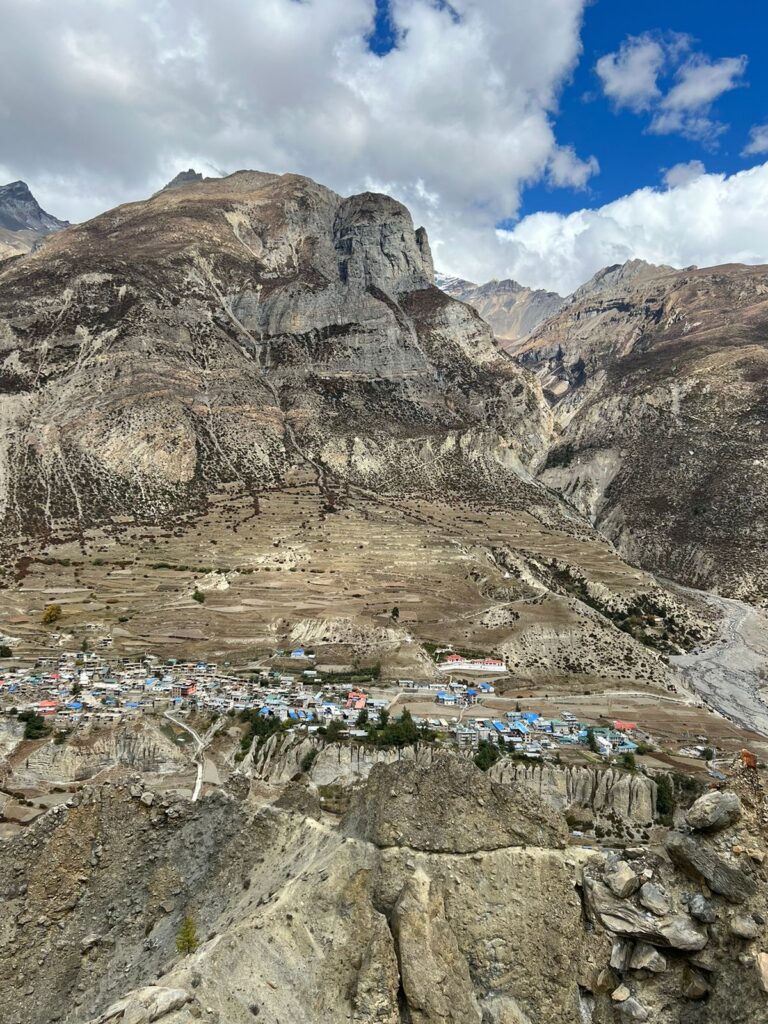
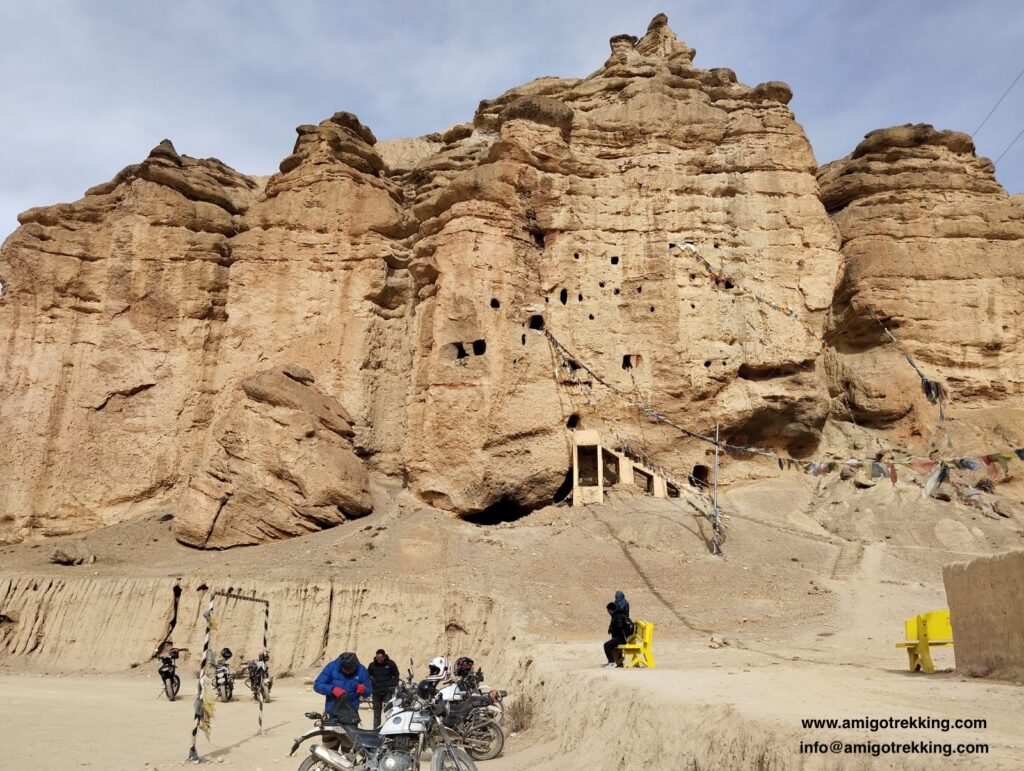
- The inclusion of Lubra Valley is a unique highlight that sets this trek apart, as most Annapurna Circuit routes don’t feature it. This addition introduces trekkers to one of Nepal’s oldest and pristine Bon villages, dating back to the 12th century. Housing only about 14 families the village still follows Bon tradition and culture.
- The use of road transportation from Besisahar to Chame, Lubra to Tatopani and Tatopani to Shikha helps trekkers minimize road trekking as much as possible. This adjustment creates extra space in the itinerary, allowing for the inclusion of more must-visit trekking sections in the Annapurna region.
- Travelers with extra days can explore Ghorepani, Poon Hill, Tadapani and Ghandruk after crossing Thorong La, with excellent scenery and village culture. These additions require corresponding walking days and transfers. They should not be described as automatically fitting every extended trip sold under the 19-day label until the itinerary is reconciled.
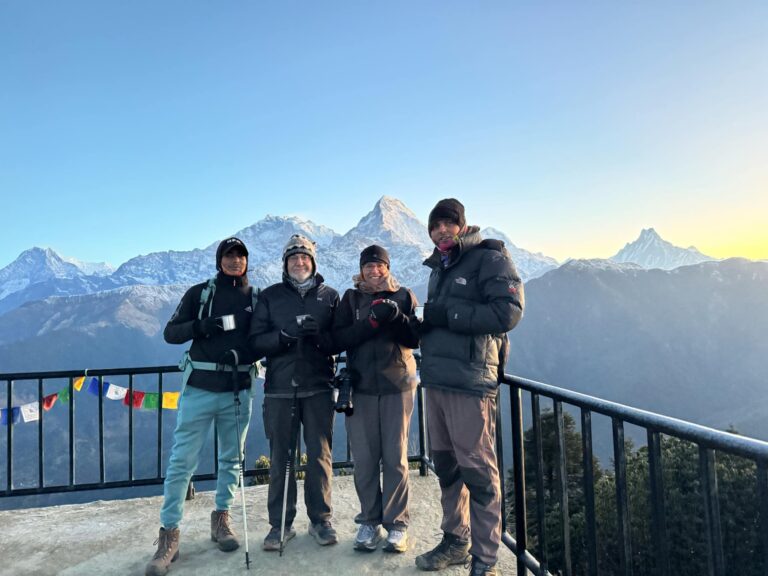
- The trek from Ghorepani to Ghandruk is also a part of the longer Annapurna Base Camp trail. By covering this section now, you’ll have the option to choose the shorter ABC route in the future, or decide whether you’d like to walk this section again on your next ABC trek. It also makes it easier if you want to extend your trek to the Annapurna Base Camp, last-minute.
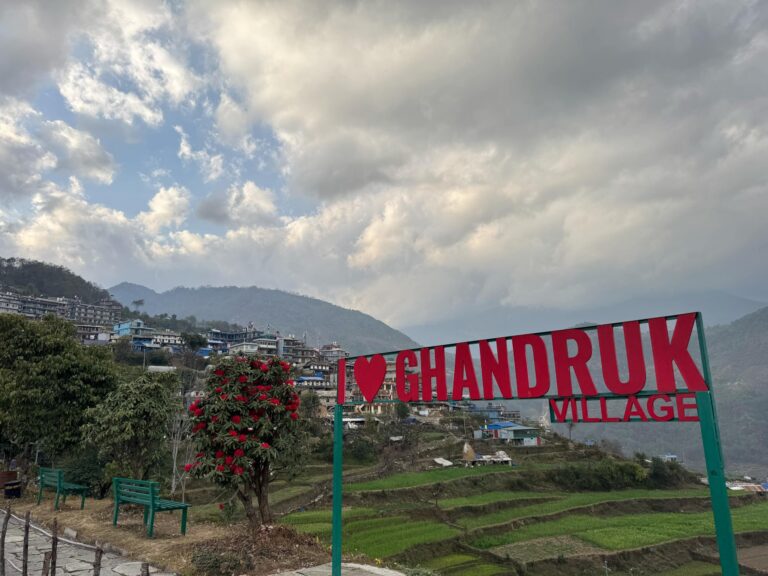
- A night in Ghandruk, before ending the trek, offers one final opportunity to be transported to a simpler, more authentic time, before heading back to the hustle and bustle of everyday life.
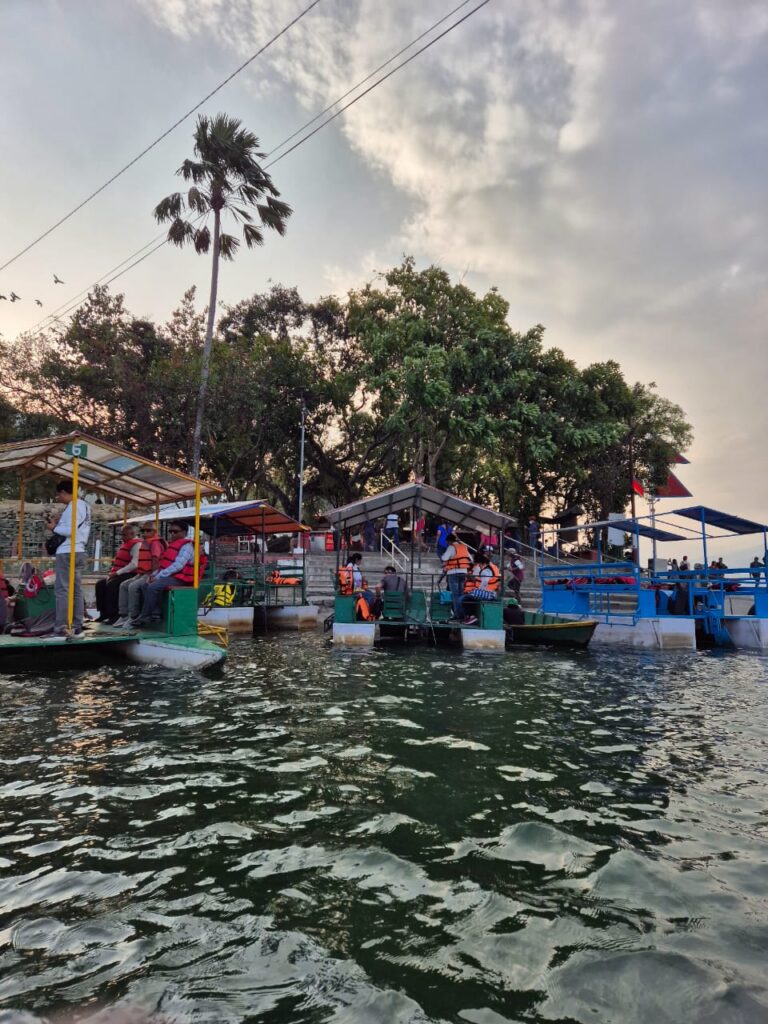
- This itinerary also includes a full day in Pokhara before returning to Kathmandu to conclude the journey. With its serene lakeside ambiance, vibrant nightlife, bustling markets, and rejuvenating spa, massage, sauna, yoga and meditation centers, Pokhara offer the perfect blend of natural beauty and modern comforts, allowing trekkers of all kinds to unwind and wrap up their adventure in style.
- The itinerary beautifully ends with one night in Kathmandu, before taking a long flight the next day back home of to your onward destination.
Road, Altitude and Weather: Essential 2026/27 Updates
The Annapurna Circuit passes through varying conditions between the lower Marsyangdi valley, Manang and Thorong La at about 5,416m. Heavy rain, snow, road damage or high wind can interrupt either the vehicle access or the trek. In late September and early October 2026, parts of the route were disrupted; reports that specific sections later reopened are not a guarantee for future departure dates. Amigo should confirm road status with local drivers and high-pass conditions with the current trekking team and relevant officials shortly before travel.
The CDC Yellow Book guidance emphasizes managing overnight altitude gain, recognizing mountain-sickness symptoms and descending rather than pushing upward when serious symptoms develop. A successful day in Manang does not guarantee acclimatization for a high camp above 4,500m. Everyone should consider suitable medical advice before departure and buy insurance explicitly covering trekking and medically necessary evacuation at the elevations on the selected itinerary.
Current Annapurna Circuit Guide and Permit Requirements
The Nepal Tourism Board TIMS guidance includes Annapurna Circuit Trek among routes requiring a licensed guide and trekking-agency-issued TIMS. The listed agency eCard fee is NPR 1,000 for qualifying SAARC nationals and NPR 2,000 for other foreign visitors. NTNC lists ACAP at NPR 1,000 for SAARC and NPR 3,000 for other foreigners, tax included, on its official permit portal. The current Amigo guided Circuit packages list required trekking permits as included, so don’t add the standard fee amounts twice without reviewing your quote.
Annapurna Circuit Trek 2026/27 — Frequently Asked Questions
Why does the extended Annapurna Circuit say 19 days but show 20?
The current catalog’s day label and numbered itinerary are inconsistent. The blog retains its illustrative stages, but Amigo should confirm and correct the booked day-by-day schedule before payment.
What is Amigo’s current short Annapurna Circuit duration?
The short package is 11 days, not the outdated 15-day label. The separate Circuit with Tilicho Lake is 15 days.
How much does the Annapurna Circuit cost in 2026/27?
Amigo’s current published prices start at US$1,090 for the 11-day short option, US$1,450 for the extended option, US$1,414 for Tilicho and US$2,970 for the 16-day luxury version. Prices require a final group and date quote.
Is Thorong La at 5,416m difficult?
Yes. It is a challenging high-altitude pass, subject to snow, wind, thin air and long uphill and downhill walking. The crossing is not guaranteed.
Can our jeep drive from Kathmandu to Chame?
Some itineraries plan a Chame road approach, but this requires checks for road repairs, floods, landslides and actual transport access close to departure.
Is 1,000m sleeping-altitude gain acceptable every day?
It should not be presented as the normal safe target. CDC guidance generally recommends around 500m per night above 3,000m, with additional acclimatization time.
Can we stay at Thorong High Camp instead of Phedi?
Only when the guide judges the sleeping-altitude increase, health and weather appropriate. High Camp is substantially higher than Thorong Phedi and is not simply a comfort upgrade.
Do I need ACAP and TIMS for the Circuit?
The Nepal Tourism Board and NTNC publish the relevant permit arrangements; Amigo’s guided Circuit packages state that required permits are included. Confirm nationality and exact route requirements.
Is a guide mandatory for Annapurna Circuit?
Nepal Tourism Board lists this route under the agency-issued TIMS and licensed-guide system. Private travel for one guest remains possible with required guiding arrangements.
Is winter suitable for every Thorong La trek?
No. Snow, cold, strong wind and possible closures make winter much more demanding; a mild season does not guarantee passage.
What is different about the luxury Annapurna Circuit?
It adds selected upgraded accommodations and transport, but very high-altitude lodges near the pass remain basic and may involve shared facilities.
Can I add Tilicho Lake to the extended circuit?
A Tilicho detour needs extra time, high-altitude preparation and route-condition checks. Compare the dedicated 15-day Tilicho product instead of assuming it’s included.
Amigo’s extended Annapurna Circuit can combine Himalayan scenery, mountain culture, carefully planned trekking and time to recover in Pokhara. Before booking, compare the actual trip length, route stages, sleeping elevations and included transfers on the updated Annapurna Circuit package. You can also contact info@amigotrekking.com for a dated, reconciled itinerary and final quote.