2026/27 route and safety update: This older overview has been brought into line with Amigo’s published 15-day Everest Base Camp itinerary and the CDC Yellow Book’s high-altitude guidance. Read our comprehensive EBC difficulty guide for detailed day-by-day expectations. Training improves walking ability but cannot prevent altitude illness.
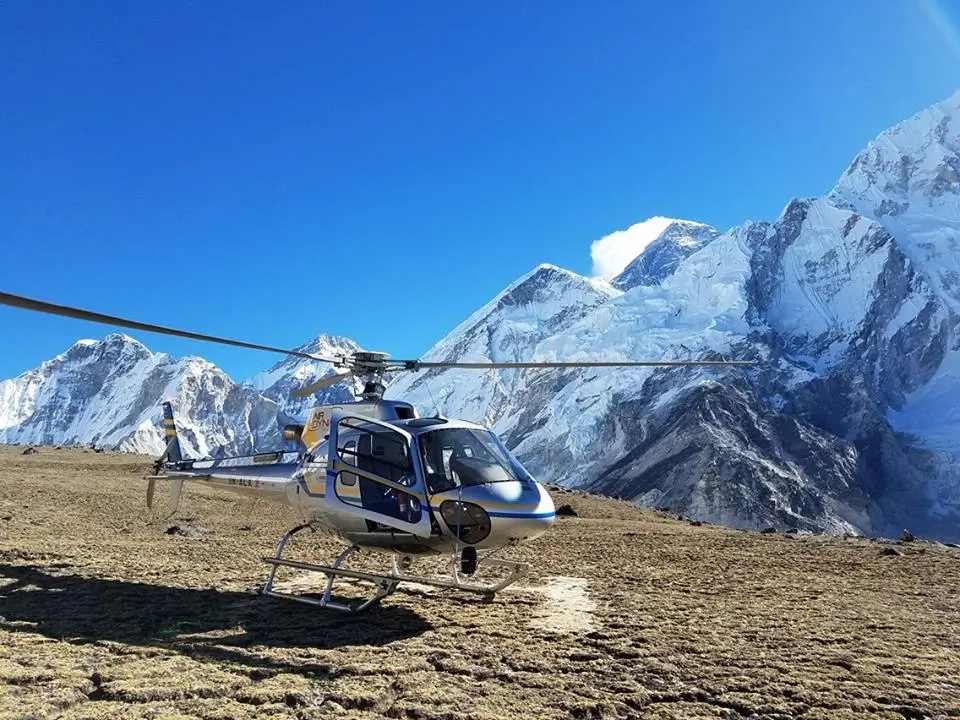
Everest Base Camp is one of Nepal’s best-known high-altitude trekking destinations at approximately 5,364m. Base Camp itself offers views of the Khumbu Icefall and nearby mountains; for a much clearer view of Mount Everest’s summit, trekkers commonly hike to Kala Patthar when conditions allow.
Even though the results of the trek are amazing, completing the trek will take a bit of preparation.
The normal Everest Base Camp route is non-technical, so ropes and mountaineering experience are not usually required. However, it is a challenging multi-day trek involving long walks, uneven terrain, thin air and substantial elevation gain.
Preparation, individual health, acclimatization, weather and sensible decisions with your guide matter far more than willpower alone. Turning back when altitude symptoms appear is sometimes the correct outcome.
Everest Base Camp attracts trekkers from many countries, but visitor numbers vary from year to year and do not indicate how safe or easy the route will be for an individual.
People from all around the world gather every year to check the EBC trek off of their bucket lists. People of all ages, shapes, and sizes have completed it. And we are here to support you to do the same.

Although the standard Everest Base Camp trek is non-technical, it is not suitable for everyone. The following practical considerations can help you decide whether this itinerary fits your fitness, health and available time.
Everest Base Camp Trek Difficulty
Everest Trek Length
Duration depends on whether Kathmandu, transport and acclimatization days are counted. Amigo’s current standard Everest Base Camp package lasts 15 days including Kathmandu, the Lukla flight arrangements, two acclimatization days and the return journey. Do not choose a faster ascent simply to meet a fixed holiday length.
Altitude is a major factor, but steep ascents, rocky tracks, suspension bridges and repeated long descents also add physical difficulty. The same distance on a low-altitude flat trail would feel very different.
Trekking distance varies with the route and optional side hikes. Amigo’s published 15-day itinerary includes an approximately 10km Namche ascent, an 8.5km hike to Lobuche, about 10km on Base Camp day and return stages of approximately 18km each from Pheriche toward Namche and from Namche to Lukla. Do not assume every day is limited to 10–12km; plan for repeated efforts and some long days.
Check our Detailed Itinerary for more information.
This is high-altitude hiking on uneven stone steps, dirt paths, rocks and occasional snow or ice depending on the season. Snow does not cover the whole route throughout the year, and conditions can change quickly.
Everest Base Camp Trek Altitude
The most tedious aspect of the Everest Base Camp Trek is the altitude. Walking 115 km on the leveled ground is not as challenging as walking the same distance at a higher altitude as you progress.
Amigo’s current 15-day itinerary includes a Kathmandu-to-Ramechhap road transfer during applicable peak-season flight operations, followed by a Ramechhap-to-Lukla flight; Kathmandu–Lukla arrangements vary by season and operating conditions. The itinerary allows dedicated acclimatization days in Namche Bazaar and Dingboche.
Namche Bazaar (about 3,440m) and Dingboche (about 4,410m) are important stops for acclimatization. A carefully paced itinerary can reduce altitude-illness risk, but cannot guarantee that every trekker will acclimatize or reach Base Camp.
On Day 10 of Amigo’s 15-day itinerary, trekkers walk from Lobuche to Gorakshep, visit Everest Base Camp (about 5,364m), then return to Gorakshep. The hike to Kala Patthar (about 5,550m) is on Day 11, followed by descent to Pheriche. Kala Patthar should be attempted only if health, weather and conditions allow.
Anyone may develop acute mountain sickness or more serious altitude illness, regardless of physical fitness. Acclimatization days and a gradual sleeping-altitude schedule reduce risk but cannot eliminate it. Report headaches, nausea or unusual fatigue to your guide and do not ascend to sleep higher while symptomatic.
Due to the extreme altitudes, we suggest you consult your doctor before taking on this trek.
Everest Base Camp Trek Training
Many well-prepared hikers complete the Everest Base Camp trek, but success depends on suitable fitness, pacing and conditions as well as the support of a knowledgeable guide.
If you are a beginner, make sure you exercise regularly for 3 to 6 months before your trek. While you do not need to lift heavy weights, you do need to do some cardio and leg exercises.
Aerobic activities such as walking, cycling, swimming or jogging can improve stamina. Strength exercises, stair climbs and downhill hiking practice prepare your legs for the trek. Training does not prevent altitude sickness, because acclimatization depends on altitude exposure and individual physiology.
Gradually build toward several hours of hilly walking with a light daypack, and practise two walking days in succession if your fitness permits. See our 12-week Everest Base Camp training plan for a progressive approach. Recovery and suitable medical advice matter as much as increasing distance.
The Everest Base Camp hike is an enchanting experience. Make sure you make time to take in the surroundings. Since the path is as breathtaking as the goal.
The difficulty is manageable for some first-time high-altitude trekkers who prepare carefully, but the route is not an easy walk. Assess your own fitness, experience, medical circumstances and willingness to change plans if needed.
Prepare consistently, follow your guide’s safety advice, and consider adequate high-altitude trekking insurance. Making sensible decisions—including descending or turning around—is part of a successful mountain journey.