
Guide quick answer
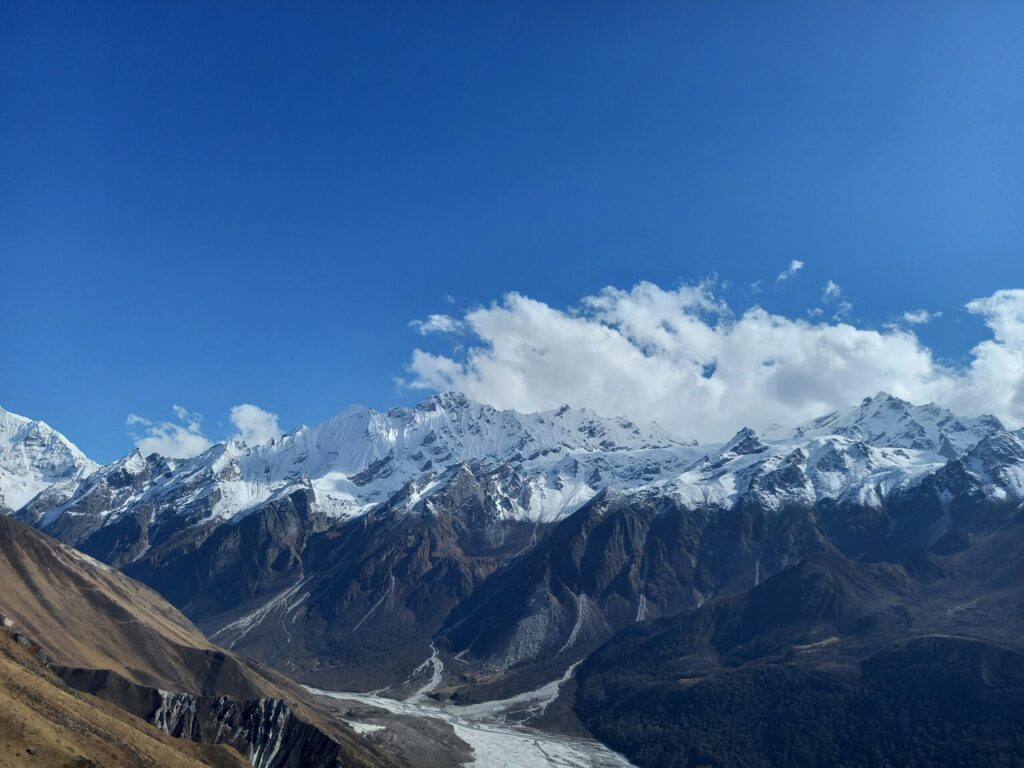
Langtang offers a shorter approach from Kathmandu than Everest or the Annapurna Circuit, with teahouse trekking through the valley toward Kyanjin Gompa.
Guide workflow
Move from route research to a confident itinerary
Read the guide, compare itineraries, or ask our team for advice.
-
01
Understand the route
Start with the overview and key planning considerations before comparing trip options.
-
02
Check practical details
Use the contents to find advice on when to go, transport, and route difficulty.
-
03
Compare an itinerary
View a related trip or ask our team to help choose a route.
On this page
Use the guide with context
- Guide details
- Langtang and Gosaikunda: Updated 2026/27 Planning Information
- Understanding Langtang National Park
- Why Choose the Langtang Valley Trek
- Best Time to Trek Langtang Valley
- Planning Your Langtang Trek
- Day-by-Day Trekking Itinerary
- Essential Gear and Preparations
- Physical Preparation and Fitness
- Accommodation and Food on the Trail
- Conclusion
- FAQs
- Frequently Asked Travel Questions
- Supporting source material

Guide details
Langtang and Gosaikunda: Updated 2026/27 Planning Information
Reviewed 10 October 2026. The Langtang Valley Trek is a rewarding teahouse journey through Tamang communities, forest trails and the high valley around Kyanjin Gompa, approximately 3,870m on Amigo's current itinerary. Our 11-day Langtang Valley Trek starts at US$1,050 per person in the published catalog, including Kathmandu travel days and transfers. The practical walking stages begin after the road transfer toward Syabrubesi; road works, landslides and weather can change the actual time required.
The Nepal Tourism Board's park fee table currently lists NPR 3,000 for other foreign visitors and NPR 1,500 for SAARC nationals for Langtang National Park. The revised TIMS guidance includes Langtang Trek, Langtang–Gosaikunda and Tamang Heritage routes in the agency-issued TIMS and licensed-guide system, generally NPR 2,000 for foreign trekkers outside SAARC or NPR 1,000 for SAARC where applicable. Amigo's current guided package lists required trekking permits and guide services as included.
Acclimatization matters. The published walk from Lama Hotel around 2,455m to Langtang village around 3,430m is a substantial ascent in sleeping elevation. Review that stage with the licensed guide and a travel clinician before assuming an 11-day itinerary suits every traveler. Optional excursions above Kyanjin Gompa to Kyanjin Ri or Tserko Ri reach materially greater elevations and should be attempted only if conditions and individual acclimatization permit. This is the complete destination guide; see our shorter Langtang travel overview for quick answers.
| Langtang planning detail | Current information |
|---|---|
| Published guided package | 11 days from US$1,050 per person starting price |
| Trekking trail | Syabrubesi → Lama Hotel → Langtang Village → Kyanjin Gompa and return |
| Highest scheduled lodge | Kyanjin Gompa around 3,870m; optional side hikes can be higher |
| Park entry | NPR 3,000 non-SAARC foreign / NPR 1,500 SAARC |
| Agency TIMS | NPR 2,000 other foreign / NPR 1,000 SAARC where required |
| Emergency considerations | Weather, altitude symptoms, communications and evacuation limitations |
The Langtang Valley Trek is Nepal's best-kept secret. Unlike the crowded paths of Everest Base Camp and Annapurna Circuit, which attract thousands of visitors annually, this trek delivers the same magnificent Himalayan views in peaceful solitude.
After a full-day road transfer from Kathmandu toward Syabrubesi, you'll walk through forests and traditional Tamang villages toward Kyanjin Gompa, approximately 3,870m on Amigo's published itinerary. Walking distances and times depend on the chosen stages and any optional viewpoints. Both experienced hikers and determined beginners will find the moderate difficulty level appealing.
This detailed guide explores the essential elements of Langtang Valley Trek. You'll find route information, prime seasons to visit, gear lists, and details about places to stay along the trail.
Understanding Langtang National Park
Langtang National Park, Nepal's first Himalayan national park, sits in the central Himalayan region. The park opened its gates in 1976. This pristine wilderness covers a big protected area of 1,710 square kilometers with a 420 square kilometer buffer zone.
Geography and Natural Features
Nature's architectural brilliance shines through the park's dramatic landscape. The elevation climbs from 1,000 meters to reach 7,245 meters at Langtang Lirung Peak. The park's natural features paint an impressive picture: rocks and ice (60.7%), forests (29.9%), grassland (4.9%), shrubland (2.8%), and cultivation (1.7%).
Flora and Fauna Diversity
Different vegetation zones create varied hues across the landscape. The park's rich biodiversity shows itself through:
- Subtropical forests with Sal trees (below 1,000m)
- Temperate forests with oak and maple (2,600-3,000m)
- Subalpine zones with silver fir and rhododendrons (3,000-3,600m)
- Alpine meadows above 4,000m
The park provides sanctuary to 46 species of mammals. Visitors might spot the elusive red panda, snow leopard, or Himalayan black bear. Bird watchers will be excited to learn that more than 250 bird species make this park their home.
Conservation Efforts and Challenges
The park's location marks a vital meeting point between the Indo-Malayan and Palearctic realms, making its preservation essential for global biodiversity. The park faces several challenges, and local communities don't deal very well with crop damage by wild animals and livestock losses.
Park authorities tackle these challenges by working closely with local communities through buffer zone management programs. They share 30-50% of park revenue with local communities to encourage their participation in conservation efforts. This partnership helps maintain sustainable resource management while supporting community development.
A trek through Langtang Valley supports these conservation efforts. Tourism revenue maintains the delicate balance between preservation and community needs.
Why Choose the Langtang Valley Trek
Want a real Himalayan adventure without the tourist crowds? The Langtang Valley Trek gives you the perfect mix of culture and natural beauty. The best part? It's just a short distance from Kathmandu.
A Perfect Alternative to Crowded Trekking Routes
The Langtang Valley Trek is much quieter than the busy Everest and Annapurna paths, but the mountain views are just as breathtaking. The trails here wind through untouched landscapes where you can really connect with nature. Access is by road from Kathmandu toward Syabrubesi, commonly requiring a full travel day. Landslides, traffic and roadworks can extend the journey, so confirm the current route and vehicle arrangements before departure.
Rich Cultural Heritage of Tamang People
The valley's heart beats with the Tamang people's culture, who make up 80% of the locals here. Their heritage shines through in many ways:
- Sonam Lhosar festivals light up January-February
- Their music comes alive with the Damphu instrument
- Buddhist practices run deep - 90% of the community follows Buddhism
- About 100 sub-clans keep their traditions alive
Tamang communities still speak their language, wear traditional dress, and live by their customs. This gives you a real peek into true Himalayan life. When you stay in their homes, their warmth and hospitality make this trek special.
Diverse Landscapes and Wildlife
The valley shows off nature's best work. You'll walk through thick rhododendron forests, grassy meadows, and valleys carved by ancient glaciers. Animal lovers might spot some of Nepal's rarest creatures - the park is home to 46 different mammals, including red pandas, Himalayan black bears, and snow leopards.
Nature's show doesn't stop there. The mighty peaks of Langtang Lirung (7,227m), Dorje Lakpa (6,966m), and Langtang II (6,596m) tower above. Each day brings something new - from rushing waterfalls to high mountain lakes. Every step of your trip will stick in your memory.
Best Time to Trek Langtang Valley
The timing of your Langtang Valley Trek plays a crucial role in shaping your adventure. Let me walk you through the seasonal patterns that will help you plan your journey perfectly.
Season-by-Season Weather Analysis
Spring (March-May) welcomes trekkers with pleasant daytime temperatures between 10°C to 20°C (50°F to 68°F). The landscape comes alive as rhododendrons splash vibrant colors across the hillsides. Crystal clear skies and minimal rainfall make this season perfect for your trek.
Autumn (September-November) stands out with its steady weather and daytime temperatures ranging from 10°C to 15°C (50°F to 59°F). The mountains reveal themselves in their full glory after the monsoon, creating picture-perfect moments against brilliant blue skies.
Winter's touch (December-February) turns the valley into a magical snow-covered realm, though temperatures can dip below -10°C (14°F). The summer monsoon (June-August) brings heavy rains and humidity that make trekking quite challenging.
Peak vs Off-Peak Considerations
Autumn draws more trekkers than spring, though both seasons are considered peak times. You'll need advance bookings for accommodations at popular stops during these busy months.
Winter's quiet trails come with lower prices, but you'll need extra preparation for the cold. Summer sees fewer visitors, but muddy paths and potential landslides need careful consideration.
Photography Opportunities in Different Seasons
Each season paints the valley in its unique colors:
- Spring: Blooming rhododendrons create perfect foregrounds for snow-peaked mountains
- Autumn: Crystal-clear vistas and golden fall colors dominate the landscape
- Winter: Pristine snow blankets create magical scenes
- Summer: Dramatic clouds and lush green valleys offer moody shots
Your best shots will come during the golden hours - early morning or late evening. Mountain views shine brightest after rainfall, particularly in those crisp early morning moments when clouds part ways.
The Himalayan weather changes quickly, so keep your camera ready for those dramatic moments. The valley’s forests, villages and glaciers offer varied subjects for photography.
Planning Your Langtang Trek
Planning your Langtang Valley Trek needs careful preparation to make your trip smooth. Let me walk you through the permits, transportation, and trekking arrangements you'll need.
Required Permits and Documentation
The Langtang Valley Trek requires two main permits:
- Langtang National Park entry: NPR 3,000 for non-SAARC foreign visitors, NPR 1,500 for SAARC nationals and NPR 100 for Nepali citizens under the current park-entry fee table (children below 10 exempt).
- Agency-issued TIMS eCard for applicable foreign trekking routes: NPR 2,000 for non-SAARC foreign trekkers or NPR 1,000 for SAARC nationals. Nepal Tourism Board lists the Langtang Trek under its licensed-guide and trekking-agency TIMS requirements.
Park entry and TIMS registration are different processes. Langtang National Park entry can be arranged at designated official counters; where TIMS applies, the licensed trekking agency processes the eCard online. Ask your agency to confirm identification, nationality and documentation requirements before departure.
Transportation Options to Syabrubesi
Several options will take you to the trailhead at Syabrubesi:
Local Bus:
- Ask Amigo or the bus operator to confirm the current departure terminal, operating day and departure time.
- Bus fares can change; obtain a current ticket quotation rather than relying on older fixed fares.
- Allow a full travel day. Actual journey time depends on road condition, traffic and weather.
Shared Jeep:
- Shared-jeep departures depend on demand, operator schedules and road conditions; confirm availability ahead of travel.
- Passenger capacity depends on the vehicle and the safe load for the road.
- Confirm the current per-seat price and the exact drop-off location when booking.
Private Jeep:
- A private jeep allows a flexible departure, subject to vehicle availability and safe passenger loading.
- Request an up-to-date whole-vehicle quote specifying route, stops and any weather or road contingency charges.
Choosing Between a Guide and Solo Trekking
Nepal's new 2023 regulations require foreign trekkers to hire a certified guide for the Langtang Valley Trek. This rule helps ensure trekker safety and supports local communities.
The total cost of a qualified local guide depends on itinerary length and services, including accommodation, meals, transport and insurance. Amigo's published guided Langtang package already includes the guide and porter services listed in its inclusions. A guide brings several benefits:
- Expert navigation and route planning
- Cultural and historical knowledge
- Emergency assistance and safety support
- Help with accommodation bookings
The guide's fee might increase your budget, but their local expertise and safety support make your trek more enjoyable. Their knowledge becomes especially valuable during bad weather or when you face altitude-related challenges.
Day-by-Day Trekking Itinerary
The Langtang Valley Trek packs eight amazing days of Nepal's most beautiful landscapes. Here's a detailed day-by-day guide to help you plan your mountain trip.
Detailed Route Description
A scenic drive from Kathmandu takes you to Syabrubesi (1,460m), where your trail starts. The first day's trek covers 11.3km through lush forests to Lama Hotel (2,480m) in about 6-7 hours. Your second day brings a steady climb to Mundu through Langtang Village (3,430m). You'll see how local communities rebuilt their homes after the 2015 earthquake.
The third day's trek to Kyanjin Gompa (3,870m) is shorter but rewarding. You'll walk just 5km in 2-3 hours. This shorter distance lets you rest and explore nearby areas. Your fourth day at Kyanjin Gompa gives you a chance to climb Tsergo Ri (4,984m). The summit rewards you with stunning 360-degree mountain views.
Altitude Considerations and Acclimatization
The trek has major altitude changes. Daily elevation gains need careful planning:
You can avoid altitude sickness if you:
- Keep a steady pace and climb no more than 300-500m daily
- Drink plenty of water throughout your trek
- Rest properly during the acclimatization day at Kyanjin Gompa
Recommended Rest Stops and Photo Points
Clear mornings offer amazing photo spots along your trek. The suspension bridge near Bamboo village, Langtang Village's memorial site, and Kyanjin Ri's panoramic views stand out. Tea houses dot the trail for breaks. Ghodatabela makes the most scenic rest stop with your first clear view of the Langtang range.
The trek back takes two days. You'll descend from Kyanjin Gompa to Lama Hotel on day six (19km) and reach Syabrubesi on day seven (12km). The downhill trek shows new views of the landscapes you climbed earlier.
Essential Gear and Preparations
A safe and comfortable trek through Langtang Valley needs proper gear selection and budget planning. Here's what you need to know about preparing for this amazing experience.
Complete Packing Checklist
The right gear plays a vital role in your trekking success. Here are the must-have items:
- Clothing Layers:
- Moisture-wicking base layers
- Insulating fleece or down jacket
- Waterproof outer shell
- Thermal wear for nights
- Footwear: High-quality, waterproof trekking boots with good ankle support
- Accessories: Headlamp, trekking poles, sleeping bag (rated for low temperatures)
- Personal Items: Water bottles, purification tablets, first-aid kit
Health and Safety Considerations
Start your health preparation weeks before the trek. Hepatitis A and typhoid vaccinations are vital for Nepal travel. You need 3-4 liters of water daily to stay hydrated, but make sure it's either boiled or properly purified since tap water isn't safe.
Respiratory illnesses are common in Kathmandu and on trekking routes. Here are some safety measures to think about:
- Buy travel insurance that explicitly covers trekking above your maximum planned altitude, medical treatment and medically necessary helicopter evacuation. Evacuation prices and availability vary substantially with weather, location and the aircraft response needed.
- Keep basic medications handy for self-treatment
- Watch for altitude sickness symptoms
Budget Planning and Money Matters
Your trek budget should include these key expenses:
Permits and Documentation:
- Agency-issued TIMS eCard where applicable: NPR 2,000 for non-SAARC foreign trekkers; NPR 1,000 for SAARC trekkers.
- Langtang National Park entry: NPR 3,000 for non-SAARC foreign visitors; NPR 1,500 for SAARC nationals (Nepali and child exemptions are separate).
Daily Expenses:
- Teahouse accommodation: USD 10-25 per night during peak season
- Meals: USD 5-15 per meal, increasing with altitude
- Water: USD 2-5 per bottle (varies with altitude)
Staffing and other services when not included in your package:
- Licensed guide: required for applicable foreign trekkers on the Langtang Trek under the current agency-TIMS rules; request a total quote covering wages, meals, lodging, transport and insurance.
- Additional porter: optional; request a current quote covering porter expenses and insurance. Amigo's published 11-day package already includes a porter for every two guests.
Device charging costs USD 2-5 per hour, and hot showers cost USD 5-10. Small cash denominations are essential since ATMs aren't available on the trail, and many remote teahouses may not accept cards.
Smart ways to save money include:
- Trek during the off-season for better accommodation rates
- Pack your own snacks to avoid expensive trial prices
- Use water purification tablets instead of bottled water
- Choose local Nepali meals over international cuisine
Physical Preparation and Fitness
Your success on the Langtang Valley Trek depends on good physical conditioning. The trek is rated moderate, but you'll need to prepare your body and mind for 5-7 hours of daily walks on challenging terrain.
Training Requirements
You should start preparing about 3 months before the trek. Here's what your training should include:
- Cardiovascular Training
- Swimming
- Running
- Cycling
- Brisk walking
- Strength Training
- Core exercises
- Shoulder workouts
- Back Strengthening
- Leg training
Mix these workouts with regular hikes on terrain with good altitude gain. City dwellers can climb stairs in tall buildings as a good alternative.
Altitude Sickness Prevention
The standard route sleeps at Kyanjin Gompa around 3,870m, while optional viewpoints are higher. Altitude illness is possible, particularly if sleeping elevation increases too quickly. These guidelines will help minimize your risks:
| Prevention Measure | Implementation |
|---|---|
| Ascent Rate | Limit to 300-500m per day above 3,000m |
| Hydration | Drink 3-4 quarts daily |
| Diet | Focus on carbohydrate-rich foods |
| Rest | Schedule acclimatization breaks |
Tell your guide right away if you feel headaches, nausea, or dizziness. You might need to go down if these symptoms don't go away.
Mental Preparation Tips
Your mental toughness is vital to trek success. Try these strategies to build psychological strength:
- Mindfulness Training: Do yoga and meditation to develop focus and calm
- Visualization: Picture yourself conquering challenging sections
- Social Connection: Bond with fellow trekkers and locals for emotional support
Note that physical fitness makes your trek better but won't guarantee protection from altitude sickness. Keep a steady pace, listen to your body, and be open with your trekking partners about how you're feeling.
Accommodation and Food on the Trail
The Langtang Valley Trek offers a network of charming tea houses that provide shelter and sustenance. These welcoming stops make your adventure both comfortable and memorable.
Tea House Features and Facilities
Tea houses dot the Langtang trail at intervals of a few hours' walking distance. You'll find these mountain lodges offer simple but comfortable rooms that cost between 1000-2500 Rs per night. Each room includes:
- Beds equipped with blankets and pillows
- Shared bathroom facilities (lower elevation lodges might have attached bathrooms)
- Common dining areas with fireplaces
- Power outlets to charge devices (USD 3-5 per charge)
- WiFi access (extra charges apply)
Facilities get simpler as you climb higher, especially after Lama Hotel. Hot showers are available but cost an extra USD 5-10.
Local Cuisine and Dining Options
The tea house's common dining room serves as your restaurant, offering an impressive variety of dishes. Here's what you can expect to pay:
| Meal Type | Cost Range |
|---|---|
| Simple Meal | USD 5-15 |
| Tea/Coffee | USD 3-5 |
| Snacks | USD 5-8 |
| Bottled Water | USD 2-5 |
Vegetarian and vegan trekkers will find plenty of options. Dal bhat, Nepal's traditional dish of rice, lentils, and vegetables, comes with unlimited refills and remains popular among trekkers. The menu also includes momos (dumplings), thukpa (noodle soup), and familiar international dishes like pizza and pasta.
Tips for Comfortable Stays
Here's what I've learned about making your stay more comfortable:
- Room Selection: Peak seasons need advance booking, especially at popular stops like Lama Hotel, Langtang Village, and Kyanjin Gompa
- Food Choices: Higher altitudes mean limited electricity, so vegetarian options are safer than meat dishes
- Water Management: Save money by using water purification tablets with local water sources instead of buying bottled water at USD 2-5
- Dining Schedule: Breakfast runs from 7-10 AM and dinner until 9 PM. Most tea houses expect you to eat where you sleep
- Budget Planning: Daily food and water costs range between USD 25-40. Bring cash since card payments aren't widely accepted
Tea houses are more than just places to sleep - they're where you'll experience Nepal's hospitality and meet fellow trekkers. The amenities might be simple at higher elevations, but the warmth of your hosts makes up for any modern comforts you might miss.
Conclusion
Langtang Valley Trek combines easy access with an authentic Himalayan experience in Nepal. This remarkable region rewards trekkers with pristine mountain views, rich Tamang culture, and varied landscapes without the crowds you'll find on popular routes.
Your success depends on careful preparation. The right gear, physical conditioning, and knowledge of seasonal timing will enhance your experience and keep you safe and comfortable. Tea houses dot the route with simple but welcoming accommodation. This setup lets you focus on the breathtaking surroundings instead of complex logistics.
Each season brings its own charm - spring's rhododendron blooms, autumn's crystal-clear views, winter's pristine snowscapes, and summer's lush greenery. Your choice aligns with your priorities and trekking goals.
This trek provides something precious in today's world - a genuine connection with nature and culture. Local communities welcome visitors with warm hospitality, while dramatic Himalayan peaks showcase nature's raw power and beauty. Get your bags ready, lace up your boots, and find out why Langtang Valley earned its reputation as Nepal's hidden gem.
FAQs
Q1. Is a guide required for the Langtang Valley Trek?
Yes, as of recent regulations, foreign trekkers are required to hire a certified guide for the Langtang Valley Trek. This policy aims to enhance trekker safety and support local employment. Guides typically cost around $30-150 per day and offer valuable benefits such as expert navigation, cultural insights, and emergency assistance.
Q2. How long does the Langtang Valley Trek typically take?
The classic Langtang Valley Trek usually takes about 7-10 days to complete. This includes the journey from Kathmandu to Syabrubesi (the trailhead), trekking through various villages and landscapes, and an acclimatization day at Kyanjin Gompa. The actual trekking distance is approximately 70 kilometers.
Q3. What is the difficulty level of the Langtang Valley Trek?
The Langtang Valley Trek is considered a moderate difficulty trek. While it doesn't require technical climbing skills, it does involve walking 5-7 hours daily over varied terrain and reaching altitudes of up to 3,870 meters at Kyanjin Gompa. Proper physical preparation and acclimatization are important for a successful trek.
Q4. What type of accommodation is available during the trek?
Accommodation along the Langtang Valley Trek consists of tea houses, which are basic but comfortable mountain lodges. These provide simple rooms with beds, blankets, and pillows. Most have shared bathroom facilities, common dining areas, and offer basic amenities like charging points and sometimes WiFi for an additional fee.
Q5. What is the best time of year to do the Langtang Valley Trek?
The best times for the Langtang Valley Trek are spring (March-May) and autumn (September-November). Spring offers comfortable temperatures and blooming rhododendrons, while autumn provides stable weather and clear mountain views. Both seasons offer optimal trekking conditions, though autumn tends to be slightly more popular among trekkers.
Frequently Asked Travel Questions
How long is Amigo's Langtang Valley Trek?
The current package is 11 days including Kathmandu activities and road travel; the actual trekking section is shorter.
Are park and TIMS permits included?
Amigo's published guided Langtang package lists park and TIMS permits as inclusions; confirm the exact final itinerary.
Do I need a licensed guide in Langtang?
Nepal Tourism Board lists Langtang and Langtang–Gosaikunda under its agency-TIMS and licensed-guide system.
Is Kyanjin Gompa the highest point of the trip?
It is the main overnight destination at about 3,870m. Optional high side hikes may be considerably higher and require extra care.
Is the Kathmandu–Syabrubesi road always open?
No. Landslides, roadworks and monsoon rain can change the access route and travel time.
Supporting source material
Source article
Langtang Valley Trek 2026/27: Itinerary, Difficulty & Cost
Langtang Valley trek 2026/27 overview: 11-day Amigo itinerary, Kyanjin Gompa, Syabrubesi road access, permits, accommodation and safety FAQ…
Read source article